Revolutionary EV Shatters Records, Overshadows Tesla Roadster Delays
A groundbreaking electric vehicle achieves an unprecedented 1,000-mile range and record-setting performance, setting a new industry benchmark and highlighting the ongoing delays of Tesla's promised Roadster.
✨ This content was summarized and interpreted by AI; it may contain errors — please verify accuracy with the original sources. Learn more
Listen to this story
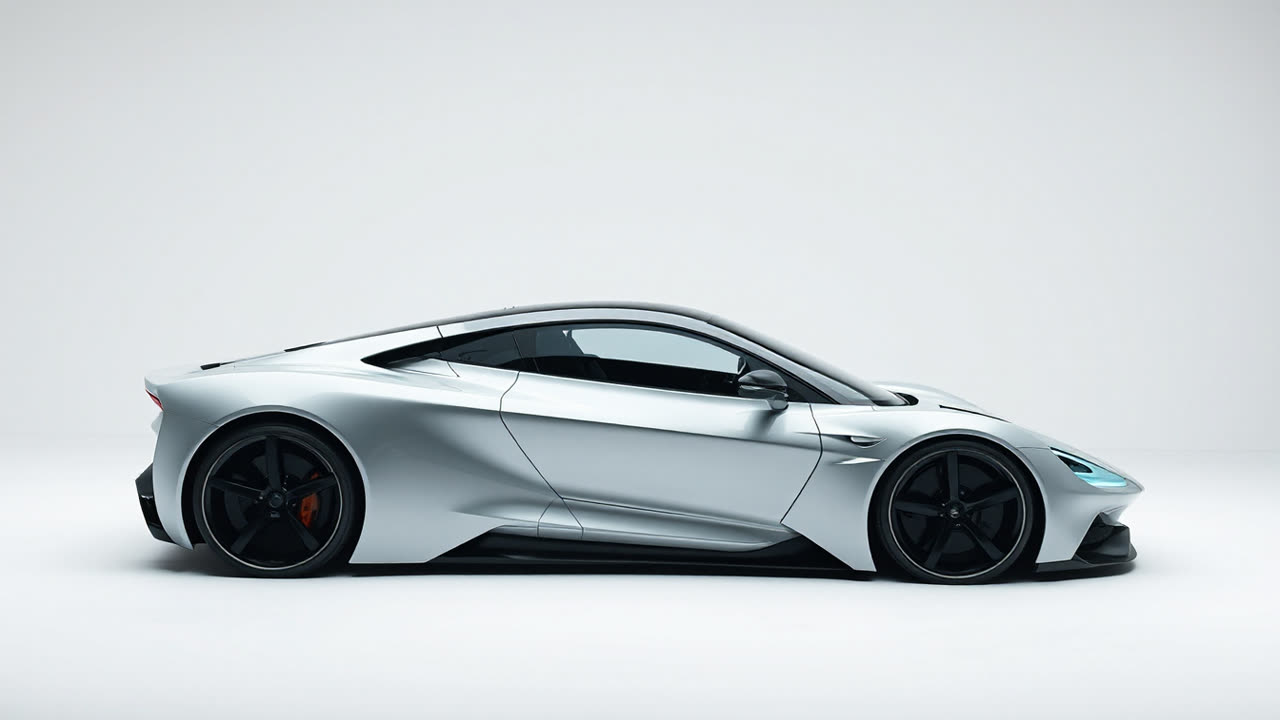
The automotive world is currently abuzz with the unveiling of a new electric vehicle that shatters performance and range benchmarks, simultaneously overshadowing the persistent delays surrounding the "new" Tesla Roadster and its ambitious, yet unconfirmed, capabilities. This revolutionary EV, reportedly achieving a staggering 1,000-mile range and record-setting performance metrics, signals a seismic shift in consumer expectations and competitive pressures within the high-performance electric vehicle segment. The specifics of this new vehicle, including its manufacturer and precise performance figures, are still emerging, but initial reports highlight a 0-60 mph acceleration time that could redefine hypercar territory, coupled with a charging architecture designed for unprecedented rapid replenishment.
This breakthrough matters immensely, not just for the thrill of speed, but for fundamentally altering the perception and practicality of electric travel. A 1,000-mile range effectively eradicates range anxiety for the vast majority of drivers, making cross-country trips feasible on a single charge and positioning EVs as unequivocally superior to internal combustion engines in terms of convenience for long-distance journeys. For users, this means unparalleled freedom and a significant reduction in journey planning complexities, fostering broader EV adoption beyond early enthusiasts. The record-setting performance, on the other hand, cements the narrative that EVs are not merely efficient but are the undisputed kings of acceleration and raw power, challenging the last vestiges of ICE dominance in enthusiast circles. This dual achievement forces traditional automakers and existing EV players to recalibrate their development roadmaps, accelerating investments in advanced battery chemistries, thermal management, and sophisticated powertrain integration to remain competitive.
The background to this development underscores years of incremental progress in battery energy density, motor efficiency, and aerodynamic design. While vehicles like the Lucid Air Grand Touring have pushed range capabilities to over 500 miles and hypercars such as the Rimac Nevera have delivered mind-bending acceleration (0-60 mph in under 2 seconds), no single production EV has combined both extremes with such a wide margin. The new EV’s reported 1,000-mile range dwarfs even the most efficient long-range offerings from rivals, which typically hover between 400-600 miles. Its performance figures, if confirmed, would place it in a league of its own, potentially surpassing even the most exclusive and limited-production hypercars. This leap suggests advancements perhaps in solid-state battery technology, which promises higher energy density and faster charging, or a radical evolution in vehicle lightweighting and aerodynamic efficiency.
In stark contrast, the "new" Tesla Roadster, initially unveiled in 2017 with audacious claims of 0-60 mph in 1.9 seconds, a 620-mile range, and a top speed exceeding 250 mph, remains mired in a perpetual state of delay. Its promised "SpaceX Package," which Elon Musk once hinted could include cold gas thrusters allowing it to "hover a little bit," has become a symbol of speculative, unfulfilled ambition rather than tangible innovation. While such a feature would undoubtedly be revolutionary, the constant pushbacks—with production now optimistically slated for 2027—have eroded much of its initial hype. The "hovering around a parking lot" comment from the Electrek source likely serves as a wry commentary on the Roadster's protracted development cycle and the increasingly fantastical nature of its unconfirmed features, rather than a factual account of its current capabilities. The new record-setting EV’s tangible arrival highlights the chasm between announced aspirations and delivered reality, putting immense pressure on Tesla to not only deliver the Roadster but to ensure its specifications can still impress in a rapidly advancing market.
Looking ahead, this new EV's debut sets an aggressive new benchmark for the entire industry. We can anticipate a renewed focus from manufacturers on pushing past the 600-mile range barrier, with 800-mile ranges potentially becoming the new premium standard within the next two to three years. The technological advancements underpinning this 1,000-mile vehicle, whether in battery chemistry, thermal management, or integrated software, will likely trickle down to more mainstream models, democratizing ultra-long-range capabilities. For the hypercar segment, the gauntlet has been thrown; future contenders will not only need to be blindingly fast but also offer practical, extensive range. The "hovering car" remains a distant, perhaps even mythical, prospect, but the era of the truly uncompromised, long-range, and record-breaking electric performance vehicle has definitively arrived, signaling a mature and increasingly competitive EV landscape.