Sam Altman Advocates ChatGPT as a Parenting Tool, Sparking Ethical Debate
OpenAI CEO Sam Altman's latest advocacy for ChatGPT as a personalized parenting tool, capable of crafting bespoke stories and learning scenarios, signals a major shift in AI's role, prompting both excitement and profound ethical questions.
✨ This content was summarized and interpreted by AI; it may contain errors — please verify accuracy with the original sources. Learn more
Listen to this story
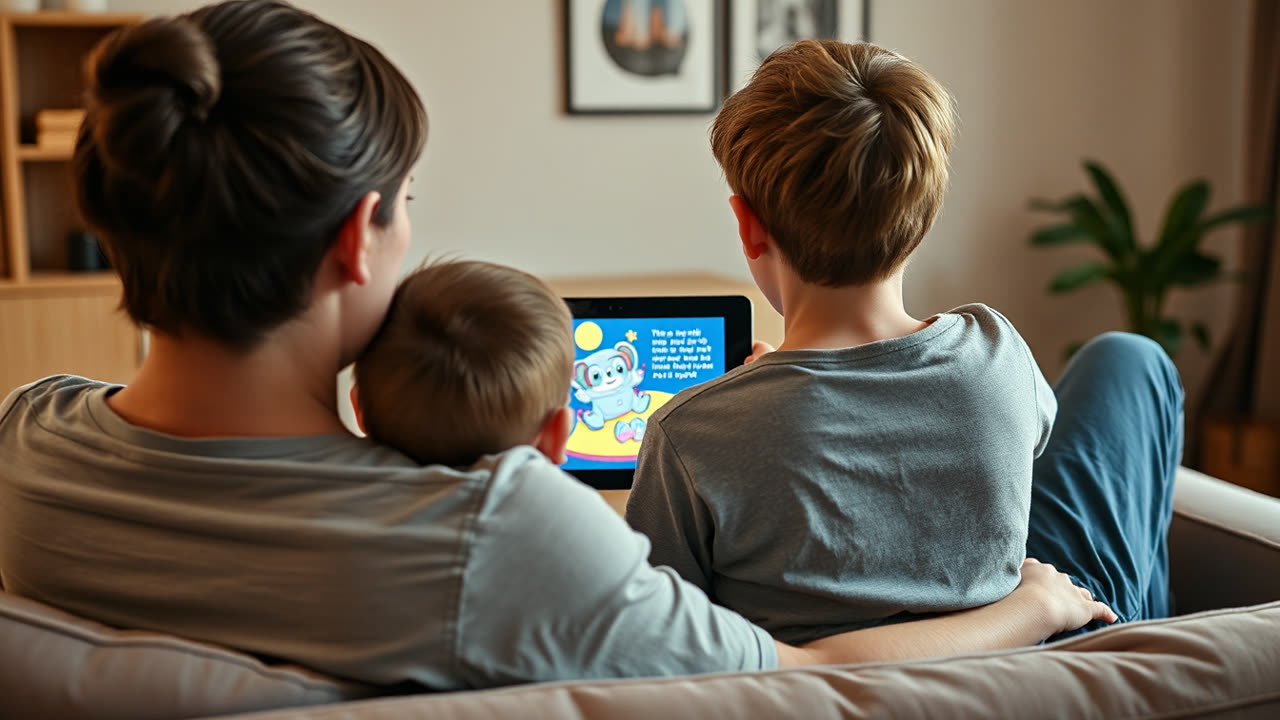
OpenAI CEO Sam Altman's continued advocacy for ChatGPT as a parenting tool, specifically highlighting a "cool use case" for parents, underscores a significant pivot in AI's perceived role from productivity assistant to intimate life companion, sparking both excitement and profound ethical debate. Altman's latest remarks, delivered at a recent tech summit, reportedly centered on ChatGPT's ability to act as a personalized, always-available narrative generator, crafting bespoke bedtime stories or interactive learning scenarios tailored to a child's specific interests and developmental stage, a capability he suggested could profoundly enrich the parent-child bond and alleviate parental stress. This vision extends beyond mere content generation, implying a deeper integration where the AI learns a child's preferences, anxieties, and learning styles over time, offering customized emotional support or educational prompts that adapt dynamically.
The implications of such a tool are vast, potentially reshaping childhood education, emotional development, and the very nature of parental engagement. For users, the promise is an unparalleled resource: a tireless assistant that can answer complex "why" questions with age-appropriate explanations, mediate sibling disputes through role-playing scenarios, or even help parents understand their child's unique behavioral patterns by synthesizing observations. This could democratize access to personalized educational and psychological support, particularly for parents in underserved communities who might lack resources for specialized tutors or child psychologists. However, this also raises critical questions about the quality and authenticity of interactions. While an AI can simulate empathy and provide information, it fundamentally lacks the lived experience, intuition, and non-verbal cues that are integral to human connection and a child's healthy attachment. The potential for children to form pseudo-relationships with AI, or for parents to offload emotionally demanding aspects of parenting onto a machine, presents a concerning frontier for child psychology and societal norms.
Historically, AI's role in the home has largely been confined to smart speakers managing schedules or streaming media, or educational apps offering standardized curricula. Altman's push for ChatGPT in parenting represents a qualitative leap, moving from utilitarian functions to deeply personal, emotionally resonant applications. Rival platforms and specialized apps like 'KidsLoop' or 'Lingokids' have focused on interactive learning games or content libraries, but none have yet articulated a vision as comprehensive or deeply integrated into the daily fabric of parenting as Altman suggests for ChatGPT. Previous generations of AI were limited by their inability to maintain context or generate truly novel, coherent narratives. The advent of large language models (LLMs) like GPT-4 and its successors, with their advanced conversational abilities and vast knowledge bases, makes such a personalized parenting assistant technically feasible today, marking a significant departure from the more rigid, rule-based systems of the past.
However, the technology is not without its significant challenges and criticisms. Data privacy is paramount; the intimate details of a child's life, including their emotional responses and learning progress, would be fed into these systems, raising serious concerns about data security, potential misuse, and the implications for a child's digital footprint. Furthermore, the inherent biases present in training data for LLMs could inadvertently perpetuate harmful stereotypes or provide culturally inappropriate advice, especially problematic in the sensitive domain of child-rearing. Experts in child development caution against over-reliance, emphasizing that AI should augment, not replace, human interaction, warning of potential negative impacts on a child's social-emotional learning, critical thinking, and capacity for genuine human connection if AI becomes a primary caregiver surrogate. There is also the risk of "AI hallucinations," where the system generates plausible but factually incorrect information, which could be detrimental if applied to sensitive topics in child education or health.
Looking ahead, the trajectory suggests a continued, albeit cautious, integration of AI into family life. We can anticipate specialized, "child-safe" versions of LLMs emerging, designed with stringent privacy protocols and content filters, perhaps even regulated by governmental bodies to ensure ethical development and deployment. The next phase will likely see hybrid models, where AI acts as an intelligent co-pilot for parents, offering insights and resources while leaving the ultimate decision-making and emotional heavy lifting to human caregivers. The industry will need to navigate a delicate balance: harnessing AI's power to personalize and enhance, without inadvertently eroding the irreplaceable human elements of nurturing and guidance. The success of Altman's vision will hinge not just on technological prowess, but on the industry's ability to address profound ethical dilemmas, ensure robust safety mechanisms, and convince a skeptical public that AI can genuinely contribute to a child's holistic development without compromising their humanity.