Samsung and Google Raise Prices on Popular Budget Smartphones
Both Samsung and Google have significantly adjusted the pricing of their popular budget smartphone lines, with key models like the Samsung Galaxy A55 and Google Pixel 8a seeing notable increases that challenge the traditional definition of "affordable" devices.
✨ This content was summarized and interpreted by AI; it may contain errors — please verify accuracy with the original sources. Learn more
Listen to this story
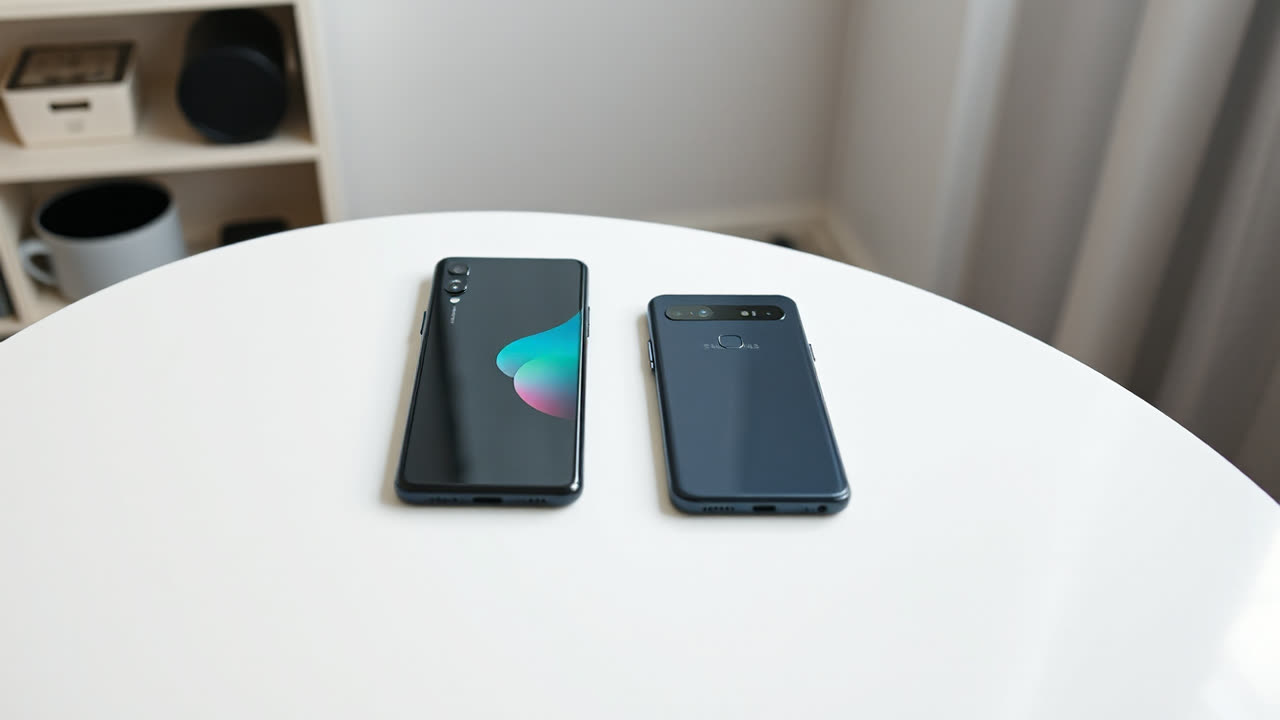
Both Samsung and Google have significantly adjusted the pricing of their popular budget smartphone lines, with key models like the Samsung Galaxy A55 and Google Pixel 8a seeing notable increases that challenge the traditional definition of "affordable" devices. The Galaxy A55, launched in early 2026, debuted with a starting price around $500, a substantial jump from its predecessor, the A54, which began closer to $450 at its introduction. Similarly, Google's Pixel 8a, released in mid-2026, arrived with a base price of $549, up from the Pixel 7a's launch price of $499. These shifts reflect a broader industry trend where rising component costs, inflationary pressures, and a strategic repositioning of mid-range devices are converging to redefine the entry point for quality smartphone experiences.
This upward price trajectory carries significant implications for consumers and the competitive landscape. For users, particularly those in emerging markets or on tighter budgets, the once-accessible sweet spot for reliable, feature-rich phones is eroding. A $50-$100 increase, while seemingly modest in isolation, represents a substantial barrier for many, potentially forcing them to compromise on features, opt for older generations, or consider lesser-known brands with even tighter margins. The value proposition of these "budget" phones, which traditionally offered a compelling balance of performance, camera capabilities, and software updates without breaking the bank, is now being re-evaluated against a higher price tag. This could lead to extended upgrade cycles as consumers hold onto their devices longer, or a shift towards the burgeoning refurbished market, impacting new device sales volume for these manufacturers.
From an industry perspective, these price hikes signal a maturation of the budget segment and a strategic realignment by two of the market's dominant players. Samsung, with its vast global distribution and diverse portfolio, has historically used its A-series to capture significant market share across various price points. The A55's elevated price suggests a push to improve profitability per unit and perhaps to differentiate it more clearly from its even more affordable A-series siblings, while still offering a premium experience below the flagship S-series. Google, on the other hand, utilizes its A-series as a critical entry point into its Pixel ecosystem, emphasizing its AI capabilities, camera prowess, and timely Android updates. The Pixel 8a's price increase indicates Google's confidence in its software and hardware integration, positioning the device as a strong competitor against other mid-range offerings, rather than solely as a budget alternative. Both companies are likely absorbing some increases in manufacturing and R&D costs, but also strategically leveraging their brand strength and ecosystem advantages to justify higher prices.
Historically, the budget segment has been a battleground for aggressive pricing, with Chinese manufacturers like Xiaomi, Realme, and Vivo consistently pushing the envelope on features-per-dollar. For instance, Xiaomi's Redmi Note series or Realme's numbered series often launch with specifications that rival more expensive devices from Samsung and Google, typically at lower price points. While these brands also face supply chain challenges, their business models often allow for thinner margins. Motorola, with its G-series, has also maintained a strong presence in the sub-$400 category, providing robust alternatives. The current price increases from Samsung and Google could inadvertently create more headroom for these rivals to gain market share among price-sensitive consumers, or it could prompt the competition to also adjust their pricing upwards, leading to a broader market re-evaluation. The prior generation Pixel 7a and Galaxy A54, both lauded for their value, set a high bar, and the current models, while offering incremental improvements in processing power, camera sensors, and display technology, must now justify a higher premium in an increasingly competitive landscape.
Looking ahead, the budget smartphone market is poised for a significant shake-up. We could see a clearer stratification, with "true budget" phones settling into the $200-$350 range, while the former "budget-friendly" segment between $400-$600 becomes the new battleground for "mid-range premium" devices. This shift will force manufacturers to innovate more aggressively in features that genuinely differentiate their products, beyond just incremental spec bumps. Expect a greater emphasis on sustained software support, advanced camera computational photography, and potentially even more robust AI integration to justify these higher price points. Furthermore, the rise of more sophisticated financing options and carrier subsidies will become crucial in making these devices accessible. The long-term outlook suggests that while the absolute lowest price points will always exist, the definition of a "good value" smartphone is rapidly evolving upwards, challenging both consumer expectations and industry strategies for market penetration.