Samsung Galaxy S26 Ultra Screens Reportedly Plagued by Red Discoloration Defect
An internal investigation is reportedly underway as some Samsung Galaxy S26 Ultra screens are exhibiting a pervasive red discoloration, raising significant quality control concerns for the flagship device.
✨ This content was summarized and interpreted by AI; it may contain errors — please verify accuracy with the original sources. Learn more
Listen to this story
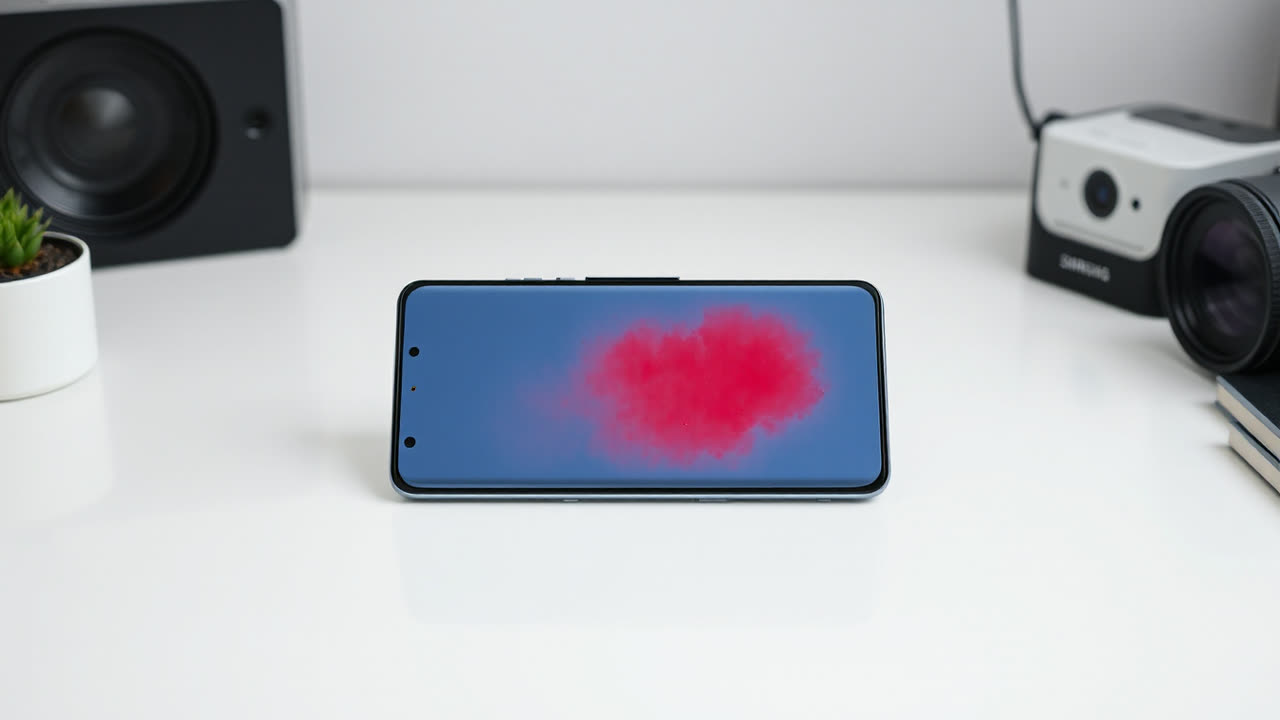
A concerning defect has emerged within Samsung's flagship line, as an internal investigation is reportedly underway to understand why some Galaxy S26 Ultra screens are exhibiting a pervasive red discoloration. This unconfirmed defect, if widespread, represents a significant quality control lapse for Samsung, potentially undermining consumer trust in its premium devices and casting a shadow over the cutting-edge display technology that has long been a hallmark of the Galaxy S series.
The reported issue centers on a distinct red tint appearing on the displays of certain Galaxy S26 Ultra units. While the precise nature and triggers of the discoloration remain under wraps, an internal probe by Samsung suggests the company itself is grappling with the root cause. Such an anomaly could stem from various points in the manufacturing process, ranging from panel inconsistencies in the OLED production line, calibration errors during assembly, or even software-related display rendering issues. Historically, display color shifts have occasionally plagued smartphone manufacturers, including Samsung's rivals like Google with its Pixel line experiencing "black crush" or color shifts in early OLED models. However, a systemic "red screen" problem on a flagship device like the S26 Ultra, especially if Samsung is unable to immediately pinpoint the cause, points to a potentially more complex and concerning flaw.
For users, a red-tinted screen on a device that can cost upwards of $1,200-$1,400 is not merely an aesthetic inconvenience; it fundamentally compromises the visual experience. Samsung's Dynamic AMOLED 2X displays are lauded for their vibrant colors, deep blacks, and exceptional brightness, which are critical for media consumption, photography, and general user interaction. A persistent red hue distorts color accuracy, making photos and videos appear unnatural and potentially causing eye strain over prolonged use. This directly impacts the user's perception of value and could lead to significant dissatisfaction, warranty claims, and calls for replacements or refunds. The reputational damage for Samsung, a brand built on technological prowess and reliability, could be substantial, echoing past controversies such as the Galaxy Note 7 battery recall, albeit on a different scale.
The broader industry implications are equally significant. Samsung Display is not only the primary supplier for Samsung's own devices but also a major provider of OLED panels for numerous other smartphone manufacturers, including Apple. If the defect is tied to a fundamental issue in Samsung's OLED panel production, it could send ripples across the entire mobile display supply chain, potentially affecting other brands reliant on Samsung's components. Furthermore, this incident could intensify scrutiny on quality assurance processes for advanced display technologies, especially as manufacturers push boundaries with higher resolutions, refresh rates, and brightness levels. Rivals like Apple, with its ProMotion XDR displays, and Chinese manufacturers like Xiaomi and Huawei, who are heavily investing in their own display innovations, could leverage any perceived stumble from Samsung to highlight the reliability of their offerings.
Previous generations of Samsung Galaxy devices have occasionally faced minor display quirks, such as green tints at low brightness on some S20 and S21 models, which were often addressed via software updates. However, a widespread red discoloration, particularly one that Samsung is "not sure why" it's occurring, suggests a more profound hardware or manufacturing challenge rather than a simple software bug. The S26 Ultra, as the pinnacle of Samsung's current smartphone engineering, is expected to set benchmarks, not suffer from fundamental display flaws. This issue contrasts sharply with the generally robust performance of the Galaxy S25 Ultra, which largely maintained Samsung's reputation for display excellence, consolidating improvements in brightness, color accuracy, and durability.
Looking ahead, Samsung faces a critical juncture. The immediate priority will be to identify the precise cause of the red screen defect. This will likely involve extensive analysis of affected units, scrutinizing batch numbers, manufacturing dates, and component origins to isolate the problematic variable. Once identified, Samsung must communicate transparently with its customers, offering clear pathways for repair or replacement of affected devices. A swift and decisive response, potentially including a firmware update if the issue has a software component, or a comprehensive recall program if it's a hardware flaw, will be crucial to mitigate the damage to its brand. Failure to act promptly and effectively could lead to a protracted period of negative press, declining sales, and a significant erosion of consumer confidence. In the long term, this incident may force Samsung to re-evaluate its display quality control protocols and potentially diversify its panel sourcing to minimize risk, ensuring that future flagship devices maintain the impeccable display standards expected of a market leader.