Samsung Galaxy Tab S12 Ultra Poised to Challenge Apple iPad Pro with 15-inch AMOLED Display and Advanced AI
The Samsung Galaxy Tab S12 Ultra, rumored to debut in late 2026, is poised to challenge the latest Apple iPad Pro, anticipated to feature an M5 chip, by pushing the boundaries of large-format tablet computing with a rumored 15-inch Dynamic AMOLED 3.0 display, potentially offering a higher refresh rate than its predecessor and brighter peak luminance for HDR content.
✨ This content was summarized and interpreted by AI; it may contain errors — please verify accuracy with the original sources. Learn more
Listen to this story
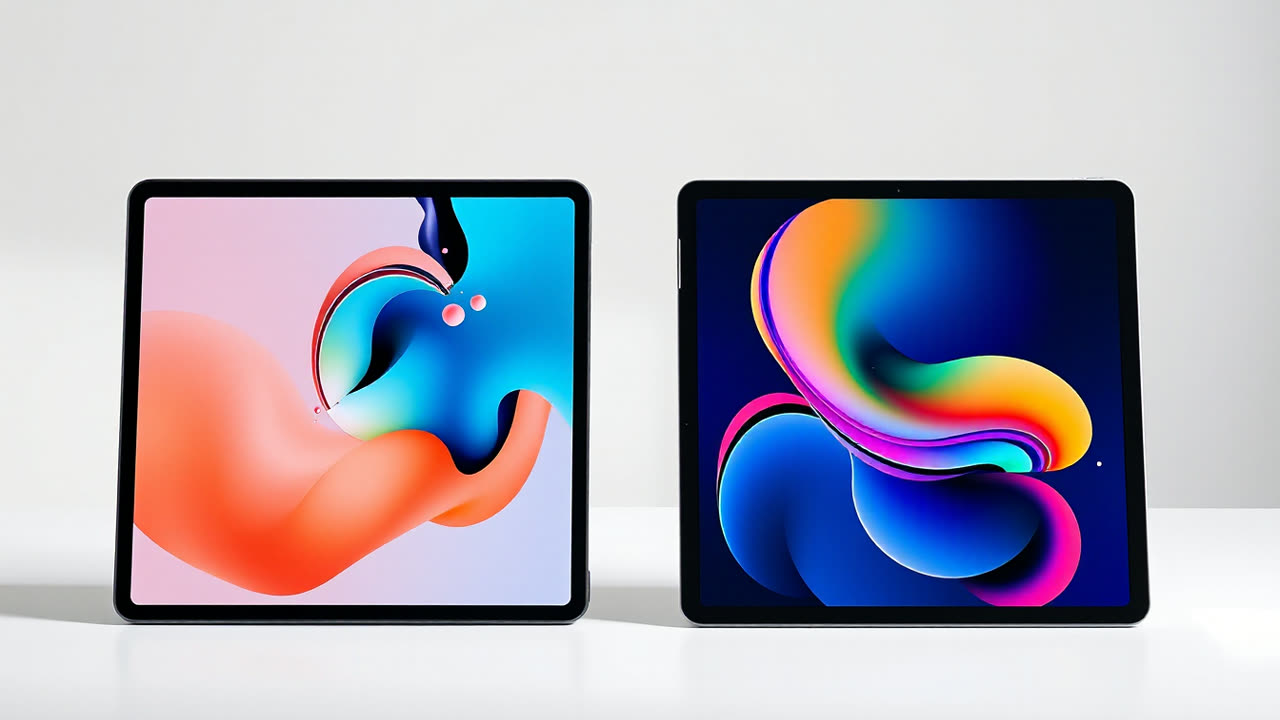
The Samsung Galaxy Tab S12 Ultra, rumored to debut in late 2026, is poised to challenge the latest Apple iPad Pro, anticipated to feature an M5 chip, by pushing the boundaries of large-format tablet computing with a rumored 15-inch Dynamic AMOLED 3.0 display, potentially offering a higher refresh rate than its predecessor and brighter peak luminance for HDR content. This direct confrontation between Samsung's Android flagship and Apple's iPadOS powerhouse underscores a deepening chasm in the premium tablet market, where hardware prowess is increasingly matched by distinct software ecosystems and user philosophies, simplifying the choice for discerning professionals and power users.
The core of this rivalry lies in architectural divergence and ecosystem integration. Samsung's Galaxy Tab S12 Ultra is expected to leverage the latest Snapdragon 8 Gen 5 or an equivalent Exynos processor, offering a potent combination of raw CPU and GPU performance alongside advanced AI capabilities, likely including on-device generative AI features for enhanced productivity and content creation. This processing power, coupled with up to 16GB or even 24GB of RAM, aims to deliver a desktop-like experience through an enhanced DeX environment, allowing users to seamlessly transition between tablet and PC modes with improved multi-window management and external monitor support. Apple's iPad Pro, by contrast, will likely rely on its M5 chip, an evolution of its custom silicon, which has consistently set benchmarks for single-core and multi-core performance, particularly in optimized professional applications like video editing and 3D rendering. The M5's unified memory architecture and tight integration with iPadOS ensure highly efficient power delivery and sustained performance, making it a formidable tool for creative workflows.
The "why it matters" extends beyond mere specifications; it's about the very definition of a tablet's role in a converged computing future. For users, the S12 Ultra's larger screen real estate and Android's open file system offer unparalleled flexibility for multitasking and integration into diverse professional environments, especially those not strictly tied to Apple's ecosystem. Its rumored quad-camera setup, including a high-resolution main sensor and an ultrawide lens, alongside a larger battery capacity, positions it as a versatile mobile workstation and entertainment hub. The iPad Pro, however, continues to attract users through its robust app ecosystem, which boasts a superior selection of professional-grade applications specifically optimized for touch and stylus input, particularly in creative fields like graphic design and music production. Apple's Stage Manager, despite its initial criticisms, has matured into a more refined multitasking solution, offering a unique blend of desktop-like windowing and touch-first interaction. The integration of the second-generation Apple Pencil Pro and Magic Keyboard continues to provide a cohesive and intuitive user experience for professionals.
Comparing these devices to their predecessors reveals a consistent push towards laptop-replacement capability. The S12 Ultra builds upon the S9 Ultra's massive display and DeX advancements, refining the software experience and boosting raw power. Similarly, the latest iPad Pro iterates on the M3-powered models, enhancing performance and potentially introducing more advanced display technologies, possibly a tandem OLED panel for improved brightness and longevity. While both devices target a similar professional demographic, their approaches differ. Samsung leans into hardware versatility and an open software environment, aiming for broad compatibility and customization. Apple prioritizes a curated, tightly integrated experience, leveraging its vertical integration to deliver optimized performance within its ecosystem.
Looking ahead, the tablet market will likely see an intensified focus on AI integration and peripheral enhancement. Both Samsung and Apple are expected to embed more sophisticated on-device AI capabilities, transforming tasks from photo editing to document summarization directly on the device, reducing reliance on cloud processing. For the S12 Ultra, this could mean more intelligent DeX functionality, predicting user needs and optimizing resource allocation for demanding applications. For the iPad Pro, enhanced AI could further refine creative tools, offering more intuitive content generation and sophisticated computational photography. We can also anticipate further innovations in display technology, with higher refresh rates becoming standard across the premium segment and advancements in under-display cameras or more robust haptic feedback for stylus interactions. The battle will continue to be fought not just on silicon, but on the seamlessness of the user experience and the depth of each platform's unique advantages.