Samsung Galaxy Watch Ultra 2 Leaks Reveal Thinner Design and Brighter Display
Samsung's upcoming Galaxy Watch Ultra 2 is rumored to feature a significantly thinner design and a display exceeding 3,000 nits, positioning it as a formidable challenger to Apple's premium smartwatches and validating the market's demand for high-performance wearables, which will undoubtedly intensify competition and drive further innovation in the segment.
✨ This content was summarized and interpreted by AI; it may contain errors — please verify accuracy with the original sources. Learn more
Listen to this story
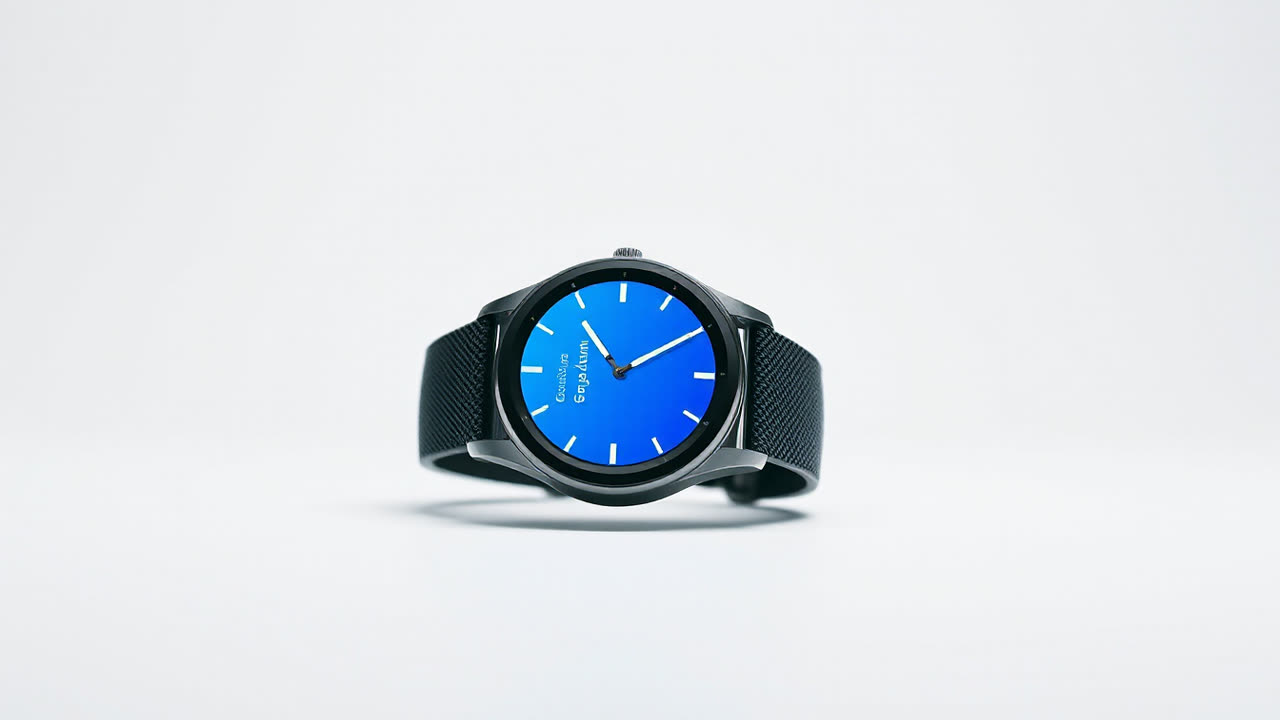
Samsung's impending Galaxy Watch Ultra 2, heavily rumored to debut in the coming days, is poised to challenge the premium smartwatch segment with significant design and display enhancements. Leaked specifications point to a device that is notably thinner and features a substantially brighter display, marking a strategic pivot for Samsung in the high-end wearable market. This next-generation Ultra variant is expected to boast a slimmer profile compared to its predecessors and rivals, potentially offering a more comfortable wear for extended periods, a critical factor for a device often worn 24/7 for health tracking.
The reported increase in display brightness is particularly impactful, with rumors suggesting a peak luminance that could surpass 3,000 nits. This would place it well ahead of the current Apple Watch Ultra 2's impressive 3,000 nits and significantly brighter than the 2,000 nits found on the original Apple Watch Ultra. For users, this translates directly to superior outdoor visibility, making the watch face legible even under direct sunlight – a crucial advantage for athletes, outdoor enthusiasts, and anyone navigating bright environments. Beyond mere readability, a brighter, more vibrant display enhances the overall user experience, enriching visual elements of watch faces, applications, and notifications. This advancement also holds implications for accessibility, making the device more usable for individuals with visual impairments. From an industry perspective, pushing display brightness boundaries intensifies competition, forcing rivals to innovate further in power efficiency and screen technology to match or exceed Samsung's offering.
The "Ultra" moniker itself signals Samsung's serious intent to carve out a dominant niche in the rugged and high-performance smartwatch category, directly confronting Apple's highly successful Ultra line. While Samsung has previously offered robust smartwatches like the Galaxy Watch 6 Classic, the Watch Ultra 2 appears to be Samsung's dedicated answer to the growing demand for premium, durable, and feature-rich wearables designed for extreme conditions and advanced tracking. The rumored thinner design, if achieved without compromising battery life or durability, represents a significant engineering feat. Prior high-end, rugged smartwatches have often prioritized battery and robustness over sleekness, resulting in bulkier form factors. Samsung's apparent ability to slim down the Ultra 2 while enhancing display brightness suggests advancements in component miniaturization and thermal management.
Comparing it to the prior generation of Samsung's flagship wearables, such as the Galaxy Watch 6 Classic, the Ultra 2 is expected to offer a more advanced processor, likely the Exynos W1000, promising improved performance and energy efficiency. This new chipset would facilitate smoother UI interactions, faster app loading, and more sophisticated on-device AI processing for health metrics. While the Watch 6 Classic focused on a refined traditional watch aesthetic with its rotating bezel, the Ultra 2 is clearly targeting a different demographic — one that values cutting-edge technology, extreme durability, and peak performance above all else. Its rumored titanium casing and sapphire crystal display align it directly with the premium rugged aesthetic established by its primary competitor.
The industry impact of a thinner, brighter Galaxy Watch Ultra 2 extends beyond direct competition. It validates the market's appetite for premium smartwatches that push performance and design boundaries. Manufacturers will likely redouble efforts in material science, display technology, and battery innovation to keep pace. Furthermore, the focus on outdoor visibility and robust build quality underscores the evolving role of smartwatches as essential tools for health, fitness, and navigation in diverse environments, moving beyond mere notification delivery. The enhanced display could also pave the way for more complex graphical interfaces and richer data visualizations directly on the wrist, reducing the reliance on companion smartphone apps for detailed analysis.
Looking ahead, the Galaxy Watch Ultra 2's launch is expected to solidify the trend towards differentiated smartwatch offerings, with distinct lines catering to fashion, everyday use, and extreme performance. Samsung's move into a dedicated "Ultra" series suggests a long-term strategy to segment its wearable portfolio more clearly. We can anticipate further advancements in non-invasive health sensors, longer battery life through more efficient chipsets and battery chemistries, and deeper integration with AI-driven health coaching platforms. The competitive pressure from Samsung's Ultra 2 will likely spur Apple to innovate further with the anticipated Apple Watch Ultra 3, potentially focusing on even more advanced health tracking capabilities, satellite connectivity for enhanced safety, or revolutionary battery breakthroughs. Google, with its Pixel Watch line, will also feel the heat, potentially accelerating its own development of a more premium, rugged offering to compete in this rapidly expanding high-end segment, perhaps with tighter integration with Fitbit's extensive health ecosystem. The next few years will undoubtedly see an arms race in the premium smartwatch category, driven by these innovations and consumer demand for the ultimate wrist-worn companion.