Samsung Galaxy Z Flip 8 Leaks Suggest an Iterative, Not Revolutionary, Upgrade
Samsung's upcoming Galaxy Z Flip 8, widely expected to debut at the next Unpacked event on July 24, 2026, appears poised to offer an iterative, rather than revolutionary, upgrade, with leaked specifications and images suggesting a design and feature set nearly indistinguishable from its predecessor, the Galaxy Z Flip 7.
✨ This content was summarized and interpreted by AI; it may contain errors — please verify accuracy with the original sources. Learn more
Listen to this story
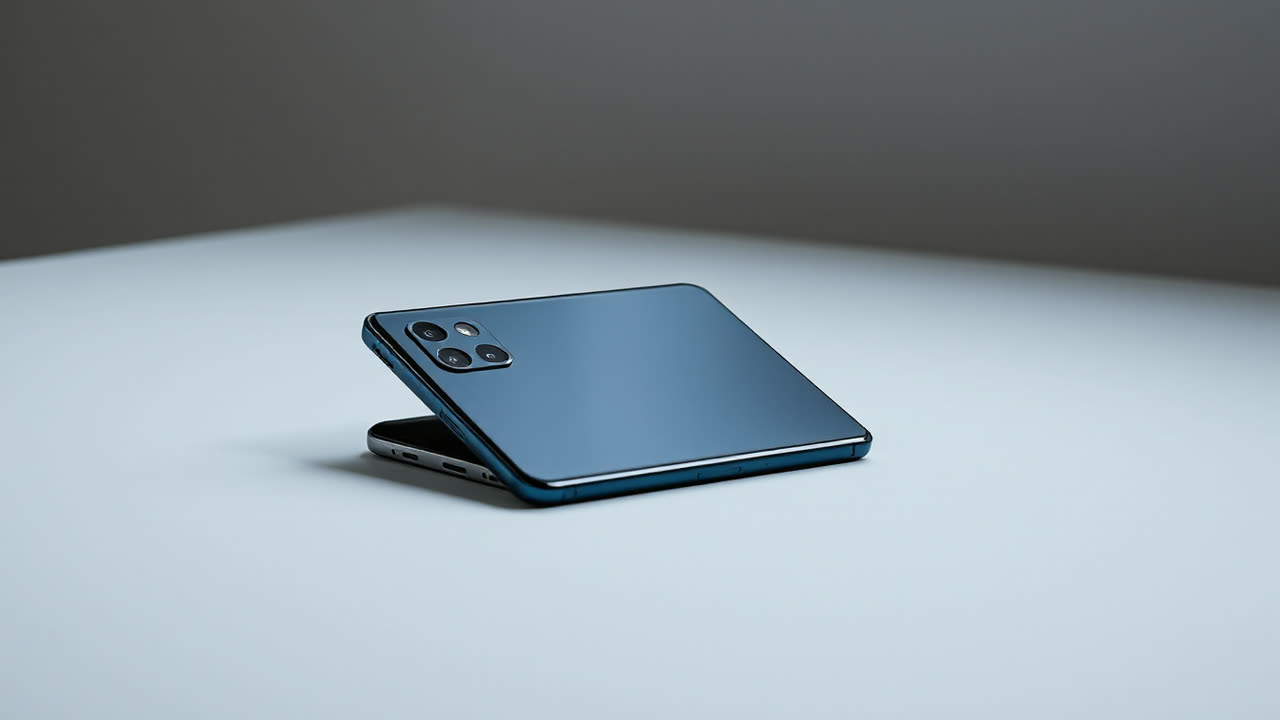
Samsung's upcoming Galaxy Z Flip 8, widely expected to debut at the next Unpacked event on July 24, 2026, appears poised to offer an iterative, rather than revolutionary, upgrade, with leaked specifications and images suggesting a design and feature set nearly indistinguishable from its predecessor, the Galaxy Z Flip 7. Reports from WinFuture and 9to5Google indicate the new model retains the same 6.7-inch internal foldable display, a similar 3.4-inch cover screen, and largely identical camera hardware, including a dual 12-megapixel main sensor setup and a 10-megapixel selfie camera. This striking resemblance, particularly in external aesthetics and core display technology, raises significant questions about Samsung's innovation cadence in the increasingly competitive foldable market and its strategy for maintaining market dominance.
The core news underscores a potential slowdown in the rapid evolutionary leaps that characterized early foldable generations. While a generational leap to the Qualcomm Snapdragon 8 Gen 4 processor is expected, offering improved performance and power efficiency, the lack of significant external redesign or groundbreaking new features challenges the traditional upgrade cycle. For users, this could translate into diminished incentive to upgrade from a Z Flip 7, or even a Z Flip 6, particularly if their existing device remains functionally sound. The "why it matters" here is multifaceted: it signals a maturation of the flip-style foldable form factor itself, where radical changes become less frequent, but it also risks consumer fatigue if the value proposition for new models doesn't extend beyond marginal performance gains. The industry impact could see rivals gain ground by offering more distinctive designs or innovative features, forcing Samsung to reconsider its approach to differentiation.
Comparing the leaked Z Flip 8 to its immediate predecessor, the Galaxy Z Flip 7, reveals a consistent design philosophy that prioritizes refinement over reinvention. The Z Flip 7, launched in July 2025, itself built upon the Z Flip 6's foundation, featuring a larger 3.4-inch cover screen and a more durable hinge mechanism than earlier models. The Z Flip 8's adherence to these dimensions and specifications suggests that Samsung believes it has reached an optimal form factor for the flip design, at least for now. However, this conservative approach stands in contrast to rivals who are pushing boundaries. Motorola, for instance, with its latest Razr models, has experimented with larger, more functional cover displays and unique software integrations designed to leverage the external screen more effectively. Honor's Magic V Flip, launched in late 2025, also boasts a significantly larger cover screen, nearly spanning the entire front half of the device when folded, offering a more expansive external user experience. This direct comparison highlights Samsung's potential vulnerability if it fails to offer compelling hardware innovations that justify its premium pricing and market leadership.
Beyond hardware, the absence of radical software enhancements tailored specifically for the Z Flip 8's form factor could further dampen enthusiasm. While Samsung's One UI continues to evolve, the true potential of foldables lies in unique software experiences that leverage the dual-screen setup and folding mechanism. If the Z Flip 8 primarily offers a spec bump, it risks becoming just another high-end smartphone that happens to fold, rather than a device that fundamentally redefines mobile interaction. This could impact Samsung's overall strategy in the foldable segment, where it currently holds a dominant market share, estimated to be around 60% of the global foldable market in 2025. Maintaining this lead requires continuous innovation, not just incremental improvements.
Looking ahead, the immediate future for Samsung's flip-style foldables hinges on how the company articulates the Z Flip 8's unique selling propositions beyond raw processing power. If the Unpacked event fails to reveal unexpected software features, significant camera enhancements, or a breakthrough in battery life and durability that genuinely differentiates it, Samsung might face a tougher sell. The long-term outlook suggests that the foldable market is still maturing, with analysts predicting continued growth, reaching an estimated 50 million units shipped annually by 2027. However, this growth will be fueled by innovation, not stagnation. Samsung might need to explore more radical design changes in future iterations, perhaps with advancements in under-display camera technology, truly seamless crease elimination, or novel hinge designs that allow for new interaction modes. Furthermore, the burgeoning competition from Chinese manufacturers, who are increasingly offering compelling foldables at competitive price points, will put pressure on Samsung to innovate more aggressively to justify its premium position. The Z Flip 8, in its leaked form, represents a moment of introspection for Samsung: is refinement enough, or is it time for another bold leap to maintain its edge in the foldable frontier?