Samsung Galaxy Z Flip 8 Redefines Flip Phone Cover Screen Interaction
The Samsung Galaxy Z Flip 8, unveiled in August 2026, significantly refines the user interaction paradigm for flip phone external displays, moving beyond mere notifications to embrace a more integrated, yet still curated, experience.
✨ This content was summarized and interpreted by AI; it may contain errors — please verify accuracy with the original sources. Learn more
Listen to this story
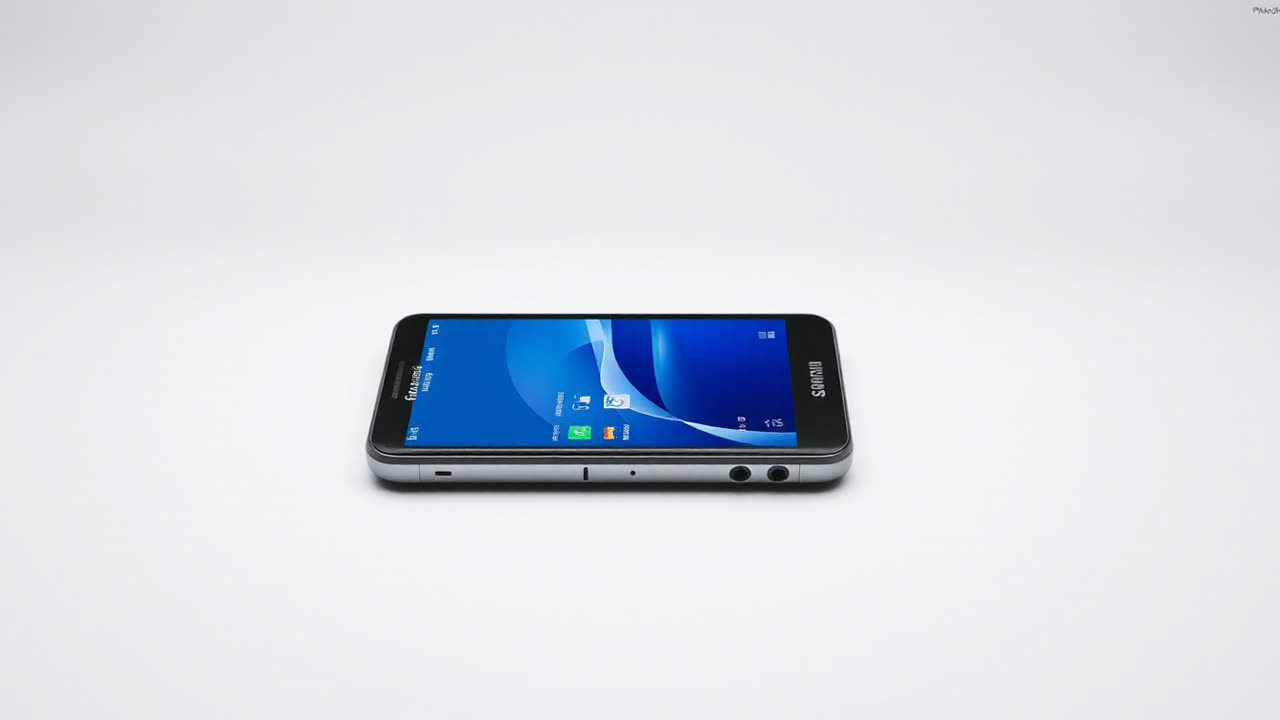
The Samsung Galaxy Z Flip 8, unveiled in August 2026, significantly refines the user interaction paradigm for flip phone external displays, moving beyond mere notifications to embrace a more integrated, yet still curated, experience. This latest iteration features a 3.8-inch Super AMOLED cover screen, a notable increase from its predecessor, the Z Flip 7's 3.4-inch panel, and a substantial leap from the original Z Flip's diminutive 1.1-inch strip. The core innovation lies in Samsung's nuanced approach to "friction"—the deliberate tension between the utility of a full smartphone experience and the minimalist appeal of a closed clamshell.
This evolution matters profoundly for both users and the industry. For users, the Z Flip 8's expanded cover screen, now supporting a wider array of custom widgets, quick settings toggles, and even limited app functionality like replying to messages with a full QWERTY keyboard or navigating via Google Maps without unfolding, addresses a long-standing desire for greater utility without compromising the device's compact form factor. This isn't a full Android experience in miniature; rather, it’s a thoughtfully curated selection of essential tasks designed to minimize the need to open the phone for trivial interactions. The impact is a more efficient workflow, reducing the "friction" of having to unfold the device for every single interaction, thereby enhancing the very convenience that defines the flip phone category. This strategic balance prevents the external display from becoming a distraction, preserving the unique joy of "snapping" the phone shut to disengage.
Historically, Samsung's journey with the Flip series' cover screen has been one of gradual expansion. Early models prioritized minimalist glanceability, displaying time, date, and basic notification icons. The Z Flip 5 introduced a larger, more functional "Flex Window" that allowed for more robust widget interaction and even some full-app support via Labs features, a philosophy further refined in the Z Flip 6 and Z Flip 7. The Z Flip 8 represents a maturation of this concept, integrating user feedback to provide a more intuitive and powerful, yet still contained, external interface. Competitors, notably Motorola with its Razr series, have often taken a more aggressive stance, offering near-full app support on their larger external displays, sometimes leading to a somewhat cramped and less optimized user experience. The Z Flip 8, by contrast, focuses on optimizing core tasks for the smaller screen, ensuring a fluid and frustration-free interaction that feels purposeful rather than compromised. Honor's Magic V Flip, for instance, also boasts a substantial external display, but Samsung's strength often lies in its software optimization and ecosystem integration, ensuring seamless transitions between the cover and main screens.
Looking ahead, the direction of flip phone external displays appears to be one of increasing intelligence and personalization, rather than simply raw size. While the Z Flip 8's 3.8-inch display is impressive, the focus will likely shift towards AI-driven contextual awareness. Imagine a cover screen that dynamically adjusts its displayed widgets and information based on your location, time of day, or calendar events—showing transit options when you're near a bus stop, or your grocery list when you enter a supermarket. Further integration with wearable technology could also enhance the cover screen's utility, allowing for more complex biometric data display or smart home controls without ever needing to unfold the device. Samsung's continued investment in its One UI software for foldable devices suggests a future where the "friction" isn't about *what* you can do on the cover screen, but *how intelligently* the cover screen anticipates and serves your immediate needs, solidifying the flip phone's role as a truly smart, personal, and remarkably compact computing companion.