Samsung Galaxy Z Fold 8 Ultra: Incremental Upgrades Fail to Justify 'Ultra' Tag
Samsung's latest foldable, the Galaxy Z Fold 8 Ultra, offers welcome refinements in performance and display but lacks the transformative features needed to truly earn its premium 'Ultra' designation amidst rising competition.
✨ This content was summarized and interpreted by AI; it may contain errors — please verify accuracy with the original sources. Learn more
Listen to this story
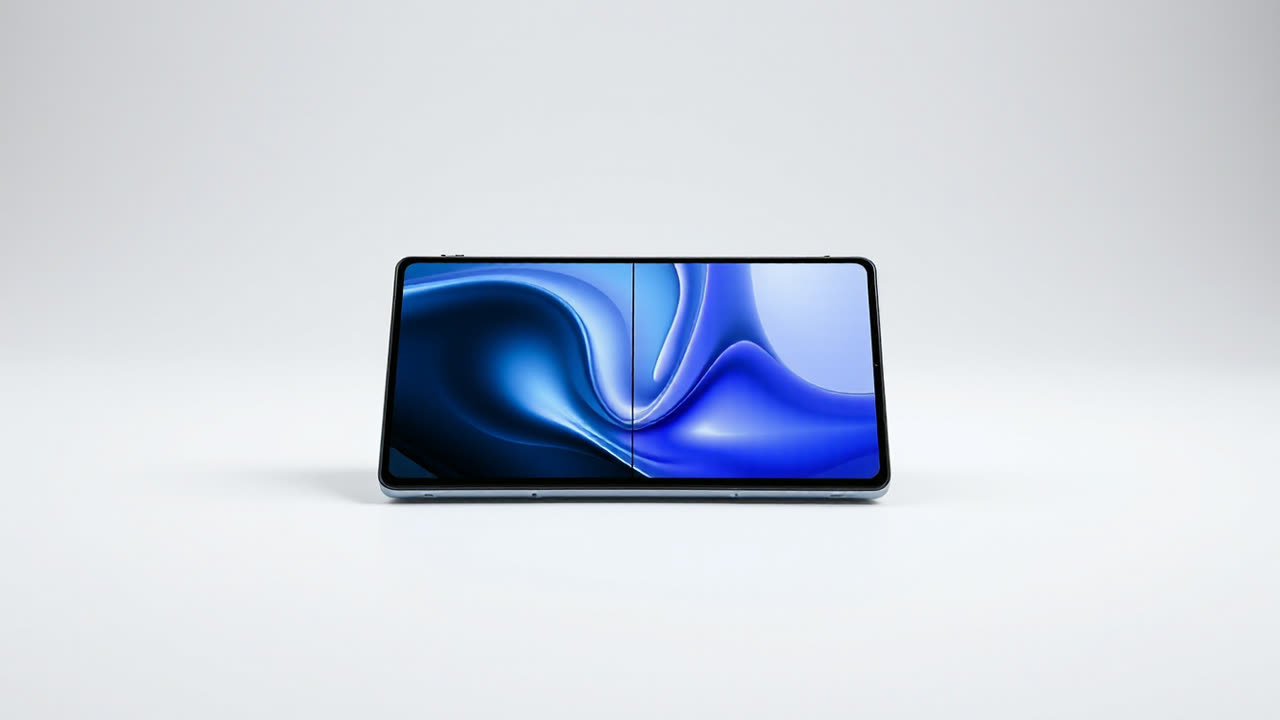
The Samsung Galaxy Z Fold 8 Ultra, despite its incremental advancements, fails to fully embody the "Ultra" moniker, presenting a perplexing strategic choice from the industry leader in foldables. While the device boasts a new generation processor, significantly brighter screens, and subtle chassis refinements, these upgrades, while welcome, appear to be refinements of an existing formula rather than a bold leap forward that would justify the premium "Ultra" designation. The core issue lies in Samsung's apparent reluctance to push boundaries in areas where competitors are gaining ground, leaving the Z Fold 8 Ultra feeling more like a polished iteration than a groundbreaking flagship.
The new processor, likely a custom-tuned Snapdragon 8 Gen 5 or an equivalent Exynos chip, undoubtedly delivers enhanced performance, offering smoother multitasking, faster app launches, and more robust gaming capabilities. This generational uplift is a standard expectation, not an "Ultra" feature. Similarly, the brighter primary and cover displays, potentially reaching peak luminosities exceeding 2,000 nits, improve outdoor visibility and HDR content consumption, addressing a common user request. Chassis tweaks, such as a marginally thinner profile or a redesigned hinge mechanism that reduces the visible crease, are also laudable but incremental. For instance, the Z Fold 6 already showed progress in hinge design, and the Z Fold 8 Ultra builds on this rather than revolutionizing it. These are all "nice" improvements that enhance the user experience, yet they do not fundamentally alter the device's capabilities or address its lingering weaknesses in a way that truly screams "Ultra."
The impact on users is a mixed bag. For those upgrading from a Z Fold 5 or earlier, the performance and display improvements will be noticeable and appreciated. However, for users seeking a definitive, no-compromise foldable experience, the Z Fold 8 Ultra likely falls short. The "Ultra" tag typically implies best-in-class cameras, exceptional battery life beyond its predecessors, perhaps an integrated S Pen slot, or revolutionary durability features that set it apart from even its own premium line. The Z Fold 8 Ultra, by all accounts, merely improves upon existing features without introducing a truly transformative element that would make it indispensable. This iterative approach risks consumer fatigue, especially as foldable prices remain exceptionally high. The average selling price for premium smartphones continues to rise, and an "Ultra" device is expected to justify its even higher cost with unparalleled features.
In the broader industry context, Samsung's cautious approach with the Z Fold 8 Ultra could be a strategic misstep. While Samsung pioneered the foldable market, rivals are rapidly closing the gap, often differentiating through specific "Ultra"-level features. The Google Pixel Fold, for example, has garnered praise for its wider cover screen and computational photography prowess, offering a compelling alternative user experience. Chinese manufacturers like Honor with its Magic V series and OnePlus with the Open have pushed innovations in hinge design, crease reduction, and often offer faster charging speeds or superior camera hardware, sometimes at more competitive price points. For instance, the Honor Magic V2 showcased an incredibly thin and light design, challenging Samsung's form factor dominance. If the Z Fold 8 Ultra doesn't significantly elevate its camera system, battery longevity, or offer a genuinely invisible crease, it risks being outflanked by competitors who are willing to take bigger risks in specific areas. The competition is not just about raw specs but about delivering a more complete and differentiated "Ultra" package.
Looking ahead, Samsung faces a critical juncture. The foldable market is projected to grow substantially, with shipments expected to reach nearly 50 million units by 2027. To maintain its leadership, Samsung needs to move beyond incremental upgrades. The "Ultra" designation demands a commitment to pushing the envelope in every aspect. This means not just brighter screens, but perhaps a truly crease-free display, a periscope zoom lens on par with its S-series Ultra phones, significantly faster charging technology, or a more robust, dust-resistant design. The future of foldables might also involve more innovative form factors, such as rollable or slidable displays, which could offer a genuinely "Ultra" experience. If the Z Fold 8 Ultra represents Samsung's peak innovation in its current foldable generation, it signals a potential plateau that could allow more aggressive competitors to seize market share. The next iteration, perhaps the Z Fold 9, will need to deliver a true paradigm shift to reclaim the "Ultra" crown and solidify Samsung's position at the forefront of foldable technology.