Samsung's Galaxy Z Fold 8 Leaks with Game-Changing Wider External Display
Prominent leaker Evan Blass has revealed images of Samsung's upcoming Galaxy Z Fold 8, showcasing a significantly wider external display that addresses key user feedback and competitive pressures, poised to redefine the foldable smartphone experience.
✨ This content was summarized and interpreted by AI; it may contain errors — please verify accuracy with the original sources. Learn more
Listen to this story
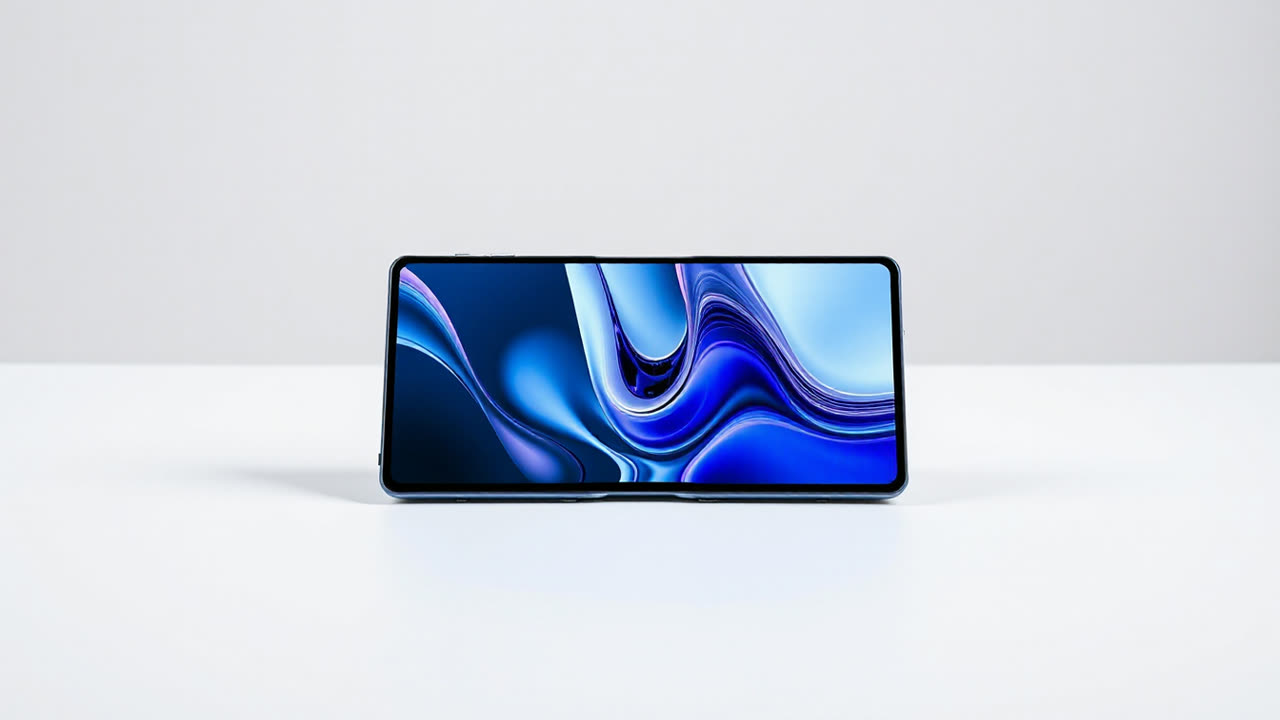
Samsung's upcoming Galaxy Z Fold 8, slated for an official unveiling on July 22nd, is poised to disrupt the foldable smartphone landscape with its significantly redesigned, wider external display, as revealed in recent leaks by prominent leaker Evan Blass. This architectural shift, moving away from the narrow, remote-like cover screen of previous generations, represents a critical evolution for Samsung's flagship foldable, directly addressing long-standing user feedback and competitive pressures. The leaked images suggest a device that, when folded, more closely resembles a traditional smartphone, potentially enhancing usability for everyday tasks without needing to unfold the device constantly.
This wider aspect ratio is not merely an aesthetic tweak; it fundamentally alters the user experience and carries substantial implications for the broader foldable market. For users, the immediate benefit is a much more practical and less cramped external display. Typing messages, browsing social media, or navigating maps on the Z Fold 7's narrow cover screen often felt cumbersome, pushing users to unfold the device for even simple interactions. The Z Fold 8's wider screen promises to make these "quick glance" tasks genuinely convenient, reducing friction and making the device feel more like two distinct experiences rather than a compromised one. This could significantly boost the Z Fold's appeal to mainstream consumers who have been hesitant to adopt foldables due to the clunky external screen. Furthermore, a wider cover display allows for a more standard keyboard layout, improving typing accuracy and speed, which is a critical factor for daily productivity.
From an industry perspective, Samsung's embrace of a wider external display on the Z Fold 8 signals a maturing foldable market where user experience is paramount. Early foldables prioritized the "wow" factor of a folding screen, often at the expense of practical ergonomics. Rivals like the Google Pixel Fold, launched in 2023, and the OnePlus Open, introduced in late 2023, already adopted wider external displays, garnering praise for their superior usability in the folded state. The Pixel Fold, for instance, features a 5.8-inch external display with an 17.4:9 aspect ratio, offering a more traditional smartphone feel. Similarly, the OnePlus Open boasts a 6.31-inch cover display with a 20:9 aspect ratio, making it highly usable when closed. Samsung's move with the Z Fold 8 indicates a strategic response to these competitors, acknowledging that the "best of both worlds" promise of a foldable hinges on both screens being highly functional. This shift could push other manufacturers, particularly those with narrower designs, to re-evaluate their own form factors.
Comparing it to its predecessor, the Galaxy Z Fold 7, the Z Fold 8's display evolution is stark. The Z Fold 7, like its ancestors, typically featured a tall and narrow external screen, often around 6.2 inches with a highly elongated aspect ratio, making content consumption and interaction feel constrained. The Z Fold 8's new design effectively bridges the gap between a traditional smartphone and a tablet, offering a more balanced user experience. While specific dimensions for the Z Fold 8's external display are not yet confirmed beyond the "wider" description, it is anticipated to align more closely with conventional smartphone aspect ratios, possibly in the range of 20:9 or 19.5:9, making it far more ergonomic.
Beyond the display, the Z Fold 8 is expected to incorporate other iterative improvements, though details remain scarce prior to the official launch. Anticipated upgrades likely include the latest Snapdragon 8 Gen 4 processor, enhanced camera sensors, and potentially a more robust hinge mechanism with improved dust and water resistance. Battery life optimization will also be a key focus, as the larger external display might consume more power. Pricing is expected to remain in the premium segment, likely starting around the $1,800 to $2,000 range, consistent with previous Z Fold models.
Looking ahead, the Z Fold 8's wider display sets a new benchmark for Samsung's foldable strategy. This design philosophy will likely extend to future iterations, solidifying the idea that foldables must excel in both their folded and unfolded states. The industry can expect to see further refinement in hinge technology, display durability, and software optimization to take full advantage of these evolving form factors. As foldable technology matures, the focus will increasingly shift from novelty to practicality and seamless integration into daily life, with Samsung leading the charge in addressing critical user pain points. The Z Fold 8, with its more accessible external display, represents not just an incremental upgrade, but a pivotal moment in making foldables a truly mainstream smartphone category.