Samsung's Galaxy Z Fold 8 Ultra Redefines Foldable Design with Thinner Profile
Samsung's introduction of the Galaxy Z Fold 8 Ultra marks a pivotal moment in the evolution of foldable smartphones, signaling a deliberate strategy to segment the premium foldable market with distinct form factors rather than merely incremental upgrades.
✨ This content was summarized and interpreted by AI; it may contain errors — please verify accuracy with the original sources. Learn more
Listen to this story
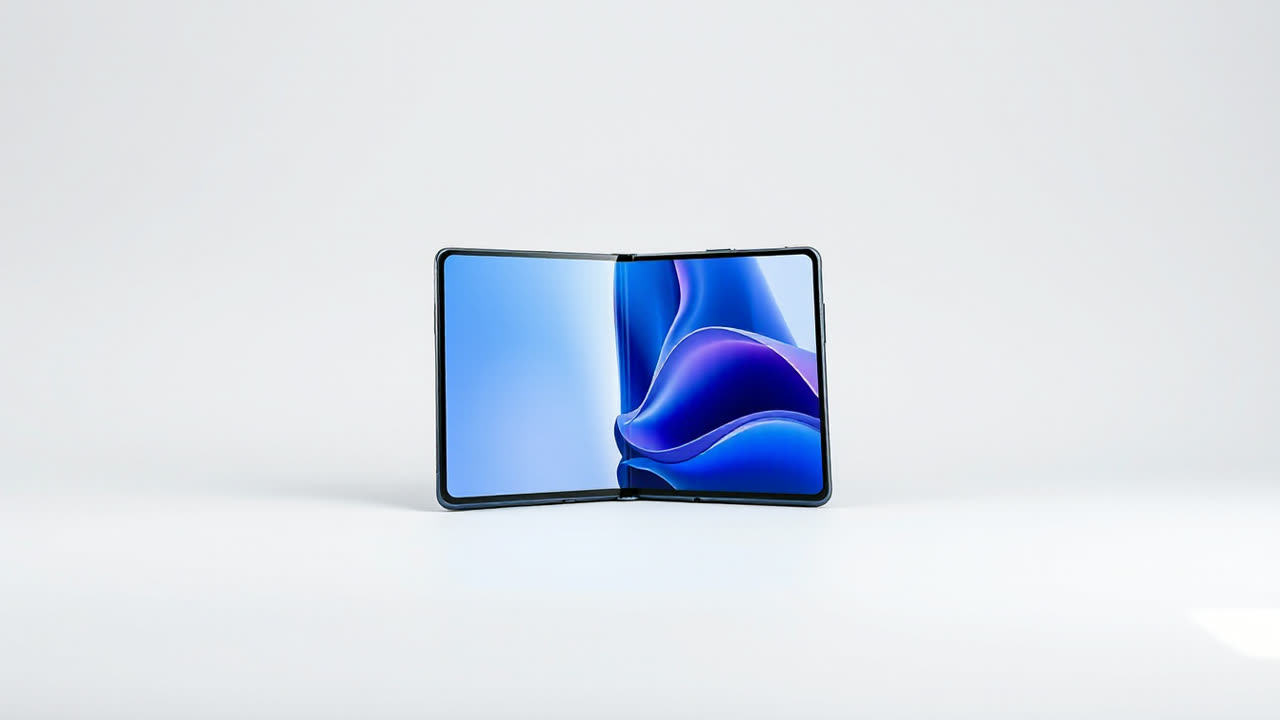
Samsung's introduction of the Galaxy Z Fold 8 Ultra marks a pivotal moment in the evolution of foldable smartphones, signaling a deliberate strategy to segment the premium foldable market with distinct form factors rather than merely incremental upgrades. Unlike a souped-up version of the regular Z Fold 8, which adopts a "squat and wide" design, the Z Fold 8 Ultra distinguishes itself by retaining a thinner, more traditional smartphone aspect ratio when folded, addressing a long-standing user desire for enhanced one-handed usability and pocketability in a foldable device. This design choice is not just aesthetic; it fundamentally reshapes the user experience, offering a more conventional and comfortable interaction with the cover screen, making the "Ultra" designation about ergonomic refinement as much as raw power.
This strategic divergence is critical because it acknowledges the maturing foldable market's demand for specialized form factors. For years, the primary criticism of the Z Fold series has centered on its bulky profile and the often-awkwardly wide or narrow cover displays, which compromised the primary smartphone experience for the benefit of the larger inner screen. By offering a Z Fold 8 that embraces a wider, more tablet-like external display and an Ultra variant that prioritizes a sleek, traditional smartphone feel when closed, Samsung is effectively targeting two distinct user preferences within the high-end segment. The Z Fold 8 Ultra's thinner profile and refined aspect ratio likely integrate advanced hinge technology, potentially a waterdrop design, to minimize the crease and achieve a more seamless fold, building upon advancements seen in competitors like the OnePlus Open and Honor Magic V series. This engineering feat would also contribute to a lighter overall device, further enhancing its appeal for everyday use.
The "Ultra" moniker typically signifies Samsung's pinnacle of technology, and the Z Fold 8 Ultra is no exception, extending beyond its form factor. While concrete specifications remain under wraps, an "Ultra" foldable would logically incorporate the absolute best-in-class components available in late 2026. This includes a next-generation Snapdragon 8 Gen 4 or equivalent Exynos processor, delivering unprecedented AI capabilities and gaming performance. Expect a significantly upgraded camera system, possibly featuring a 200MP main sensor, an advanced periscope telephoto lens with enhanced optical zoom, and improved low-light performance, rivaling Samsung's S-series Ultra flagships. Display technology would see advancements in brightness, color accuracy, and durability, possibly utilizing a new generation of Ultra Thin Glass (UTG) that is more resistant to scratches and impacts, a persistent concern for foldable device longevity. Battery life, often a compromise in earlier foldables, would likely see substantial improvements through more efficient chipsets and potentially higher-density battery materials, ensuring the device can comfortably last a full day despite powering two high-resolution displays. Furthermore, enhanced S Pen integration, perhaps with a dedicated internal silo and lower latency, would solidify its productivity credentials.
This strategic move by Samsung directly addresses the increasing competition in the foldable space. Rivals like Google's Pixel Fold, with its wider external display, and Chinese manufacturers like Huawei, Honor, and Xiaomi, who have consistently pushed the boundaries of hinge design and thinness, have forced Samsung to innovate beyond incremental updates. The Z Fold 8 Ultra specifically challenges the notion that foldables must compromise on the traditional smartphone experience. It represents Samsung's commitment to maintaining its leadership in the foldable market by diversifying its offerings and catering to nuanced user demands. The previous generations, from the experimental Z Fold 1 to the refined Z Fold 7, progressively improved durability, hinge mechanisms, and software optimization, but the core form factor remained largely consistent. The Z Fold 8 Ultra, by contrast, suggests a fundamental re-evaluation of what a foldable can be, moving beyond a single "best-fit" design.
Looking ahead, the Z Fold 8 Ultra's success will likely dictate Samsung's future foldable strategy, potentially leading to a more segmented premium lineup. If the thinner, more traditional aspect ratio resonates strongly with consumers, it could spur the development of even more diverse foldable form factors, including rollables or truly pocket-sized devices that prioritize different aspects of the user experience. The emphasis on design ergonomics and a premium-tier "Ultra" designation also sets a precedent for how manufacturers might differentiate their high-end foldable offerings beyond just internal specifications. The long-term outlook for foldables points towards continued refinement in display durability, further miniaturization of hinge mechanisms, and increasingly sophisticated software integrations that seamlessly transition between folded and unfolded states. The Z Fold 8 Ultra, with its distinct design philosophy, is not just a new phone; it’s a blueprint for the next wave of foldable innovation, pushing the industry towards a future where the foldable form factor is truly tailored to individual user needs rather than a one-size-fits-all solution.