Security Researchers Uncover Deeply Hidden Surveillance Implants in Chinese-Made Routers
Security researchers at Vulncheck have uncovered three distinct, intentionally masked surveillance implants embedded deep within the firmware of numerous routers manufactured by Shenzhen Zhibotong Electronics, casting a long shadow over global hardware supply chains and the security of millions of users.
✨ This content was summarized and interpreted by AI; it may contain errors — please verify accuracy with the original sources. Learn more
Listen to this story
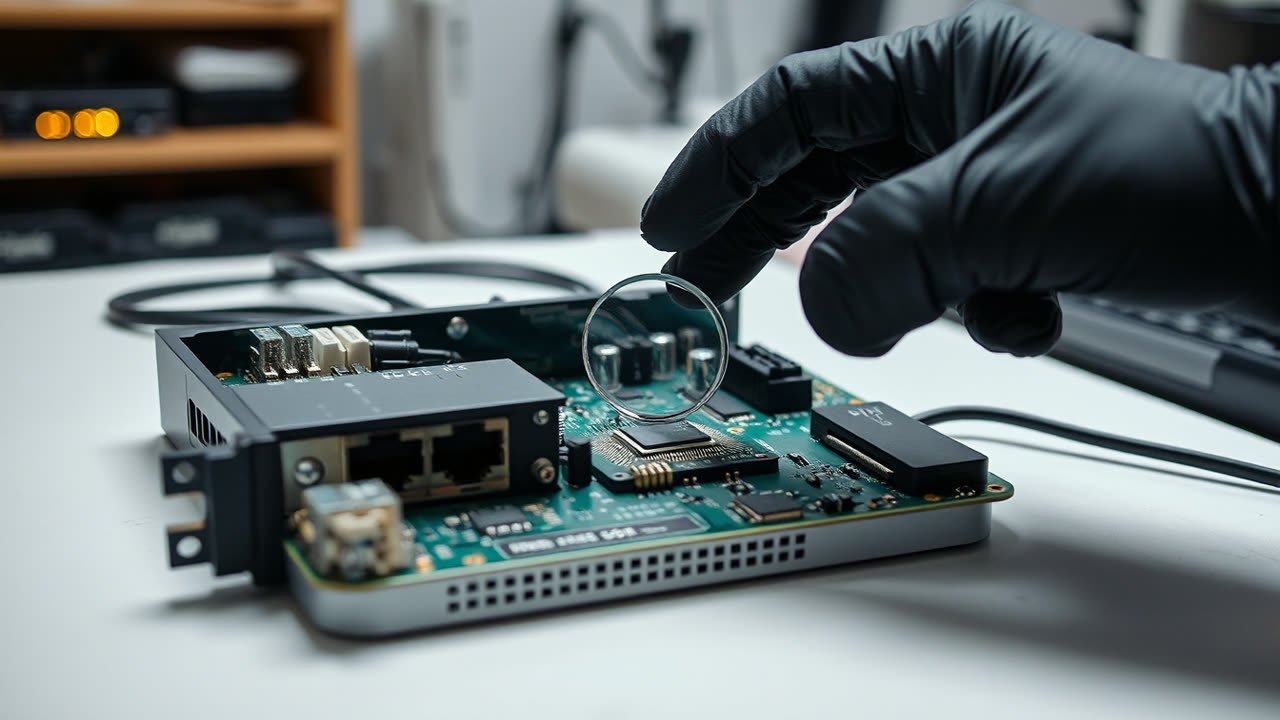
Security researchers at Vulncheck have uncovered three distinct, intentionally masked surveillance implants embedded deep within the firmware of numerous routers manufactured by Shenzhen Zhibotong Electronics, a revelation that casts a long shadow over the integrity of global hardware supply chains and the security of millions of users worldwide. These backdoor-like mechanisms, deeply hidden and designed to evade detection, represent a sophisticated and alarming escalation in hardware-level compromise, suggesting a deliberate effort to establish persistent, clandestine access to networks for an unknown actor. The discovery, detailed by Vulncheck, highlights a critical vulnerability inherent in consumer and small business networking equipment, often perceived as a secure gateway to the internet.
The implications of these findings are profound, extending far beyond the immediate concern for users of Shenzhen Zhibotong devices. For individual users and small businesses, the presence of such implants means that their entire network traffic – from sensitive personal data to proprietary business information – could be subject to unauthorized monitoring and potential exfiltration. This erodes fundamental trust in the very devices designed to protect digital communications, transforming them into potential vectors for espionage or data theft. The "intentional masking" of these implants suggests a high degree of technical sophistication and a clear intent to conceal their true purpose, making them exceedingly difficult for average users or even many IT professionals to detect without specialized tools and expertise. This makes the risk pervasive, as many users rarely update firmware or conduct deep security audits of their networking hardware.
From an industry perspective, this incident underscores the severe challenges in maintaining supply chain integrity, particularly with hardware originating from regions known for state-sponsored cyber activities. Shenzhen Zhibotong Electronics, a relatively obscure Chinese manufacturer, producing devices sold globally, exemplifies the opaque nature of the hardware ecosystem where components and entire devices can be compromised at the manufacturing stage. This incident is reminiscent of past concerns regarding the security of Huawei and ZTE equipment, though on a smaller scale and with a different vector of compromise. Unlike software vulnerabilities that can often be patched remotely, hardware implants are far more insidious, potentially requiring physical recall and replacement of affected devices, an economically catastrophic and logistically complex undertaking. The discovery will undoubtedly fuel calls for more rigorous, independent hardware security audits and validation processes for all networking equipment, especially those deployed in critical infrastructure or government networks.
The comparison to previous generations of hardware security threats reveals a worrying trend. Earlier concerns often revolved around known vulnerabilities in operating systems or easily identifiable backdoors in software. These implants, however, are described as "backdoor-like" and "intentionally masked" within the firmware itself, operating at a lower, more privileged level than typical software exploits. This makes them persistent across reboots and even factory resets, granting a deeper, more resilient foothold for an attacker. While specific technical details of the implants' capabilities are still emerging, the mere fact of their existence in widely sold devices indicates a significant leap in the sophistication and stealth of hardware-based surveillance. This moves beyond merely exploiting existing flaws to actively implanting malicious code during the manufacturing process, effectively weaponizing the supply chain itself.
Looking ahead, the fallout from this discovery will likely manifest in several ways. Governments and regulatory bodies globally will face increased pressure to implement stricter vetting processes for networking hardware, particularly for devices procured for public sector use or critical infrastructure. This could lead to a further balkanization of the technology supply chain, with nations increasingly seeking "trusted" hardware sources, potentially impacting international trade relations. For consumers, the incident serves as a stark reminder of the inherent risks in smart home devices and network infrastructure; the cheapest option may come with hidden costs to privacy and security. The cybersecurity industry will undoubtedly see a surge in demand for hardware-level security analysis tools and services, as organizations attempt to audit their existing infrastructure for similar hidden threats. Furthermore, the incident will intensify the ongoing debate about the role of nation-states in cyber espionage, highlighting the tangible risks posed by hardware compromises that transcend traditional network defenses, demanding a collective, robust response to safeguard global digital trust.