Segway Launches MAX G3 Plus Electric Scooter with 652Wh Battery and Advanced Safety Features, Redefining Urban Commuting
Segway has unveiled its MAX G3 Plus electric scooter, significantly upgrading its flagship commuter model with a larger 652Wh battery, a more potent 500W rear-wheel drive motor, and a suite of advanced safety features, positioning it as a formidable contender in the premium urban mobility sector.
✨ This content was summarized and interpreted by AI; it may contain errors — please verify accuracy with the original sources. Learn more
Listen to this story
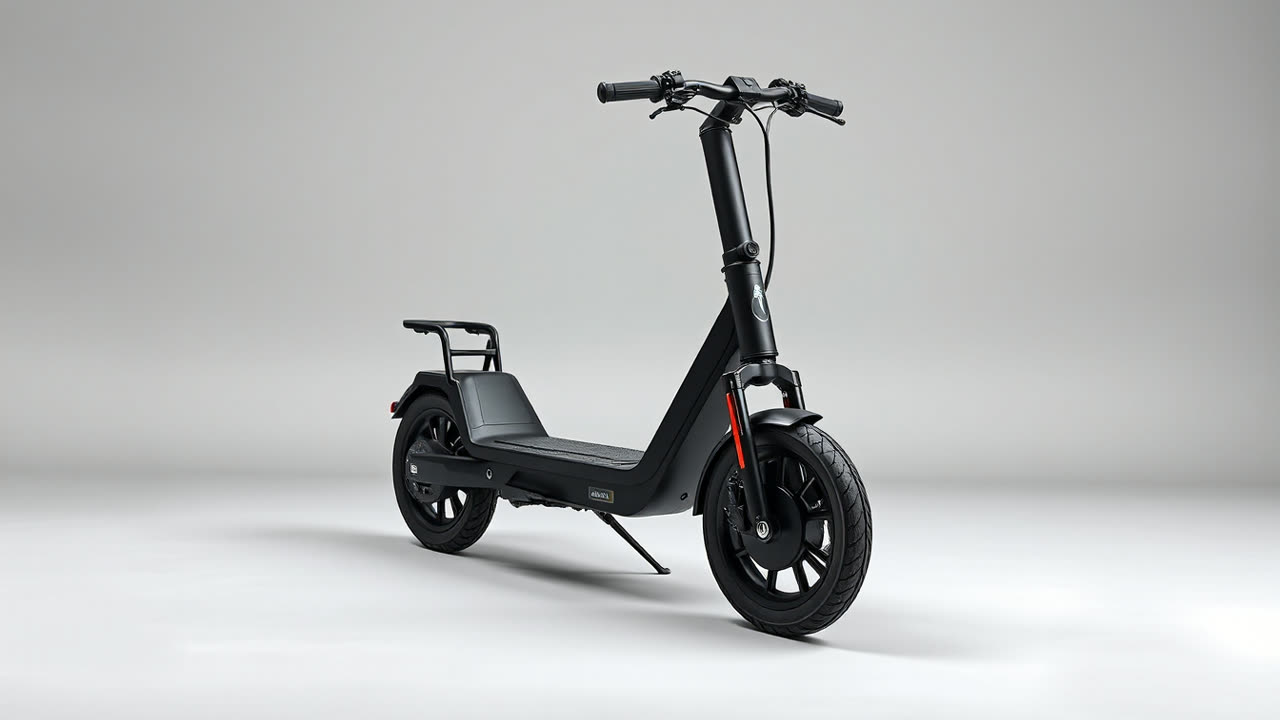
Segway has unveiled its MAX G3 Plus electric scooter, significantly upgrading its flagship commuter model with a larger 652Wh battery, a more potent 500W rear-wheel drive motor, and a suite of advanced safety features, positioning it as a formidable contender in the premium urban mobility sector. This iterative yet impactful evolution addresses key pain points for discerning commuters, promising not just extended range and enhanced performance but also a more transparent approach to rider safety and real-world usability.
The core of the MAX G3 Plus's appeal lies in its substantial power and range improvements. The new 652Wh battery capacity marks a notable increase over its predecessor, the MAX G2, which typically featured a 551Wh battery. This larger energy reservoir translates directly into a claimed maximum range of 43.5 miles (70 km) on a single charge under optimal conditions, a significant bump from the G2's approximately 40-mile (64 km) rating. Crucially, Segway emphasizes a "more honest way of measuring range," suggesting a shift towards more realistic metrics that account for real-world variables like terrain, rider weight, and riding style, moving beyond theoretical maximums often achieved under laboratory conditions. This transparency is a welcome development in an industry frequently criticized for optimistic range figures, building trust with consumers who increasingly rely on these devices for daily transport.
Complementing the extended range is the upgraded 500W rear-wheel drive motor, a substantial leap from the G2's 450W motor. This increased power output is not merely about achieving a higher top speed, which remains capped at 20 mph (32 km/h) in most markets due to regulations, but rather about delivering more robust acceleration and improved hill-climbing capability. For urban commuters navigating varied topography, this translates to a smoother, less strained ride, particularly when encountering inclines or needing to quickly accelerate from a stop. Segway reports a 25% increase in torque, allowing the G3 Plus to comfortably tackle inclines of up to 22%, a crucial metric for riders in hilly cities.
Safety enhancements are equally central to the G3 Plus's premium positioning. The scooter integrates a comprehensive traction control system (TCS), a feature previously seen in high-end motorcycles and now making its way into advanced e-scooters. This system helps prevent wheel slip on wet or loose surfaces, significantly reducing the risk of accidents. Furthermore, integrated front and rear turn signals, often an aftermarket addition for many scooters, are standard on the G3 Plus, improving rider visibility and communication with other road users. The inclusion of self-healing pneumatic tires, equipped with a jelly layer to automatically seal punctures up to 4mm, significantly reduces maintenance headaches and enhances reliability, a critical factor for daily commuters. Dual suspension, featuring both hydraulic front and spring rear shock absorbers, further elevates rider comfort and control, particularly over uneven city streets.
This holistic upgrade strategy by Segway is a direct response to a maturing electric scooter market, where users demand more than just basic functionality. The MAX G3 Plus directly challenges rivals like the Niu KQi3 Max and the Apollo City Pro, which have carved out niches with their own blend of range, power, and safety features. While the Niu KQi3 Max offers a competitive 40.4-mile range and a 450W motor, and the Apollo City Pro boasts dual motors and advanced suspension for a more performance-oriented ride, the G3 Plus aims to strike a balance, emphasizing robust, reliable commuting. Segway's commitment to realistic range measurement and integrated safety features like TCS and turn signals could give it a crucial edge in consumer trust and real-world applicability.
Looking ahead, the MAX G3 Plus sets a new benchmark for Segway's commuter line and hints at broader industry trends. The focus on transparent range measurement is likely to become a more widespread standard as regulators and consumers push for greater accountability. Furthermore, the integration of advanced automotive-style safety features like TCS suggests a future where e-scooters are increasingly viewed as legitimate, safe modes of transport rather than mere recreational gadgets. Segway's move also indicates a continued segmentation of the e-scooter market, with premium models like the G3 Plus catering to daily commuters willing to invest in superior performance, comfort, and safety, while more basic models continue to serve entry-level users. This strategic evolution solidifies Segway's position not just as a pioneer, but as an innovator adapting to the sophisticated demands of modern urban mobility.