Sennheiser Momentum 5 Redefines Premium Wireless Headphones with Groundbreaking Battery Life
The Sennheiser Momentum 5 sets a new benchmark in premium wireless audio, offering unparalleled battery life, exceptional sound, and a refined user experience that challenges industry leaders.
✨ This content was summarized and interpreted by AI; it may contain errors — please verify accuracy with the original sources. Learn more
Listen to this story
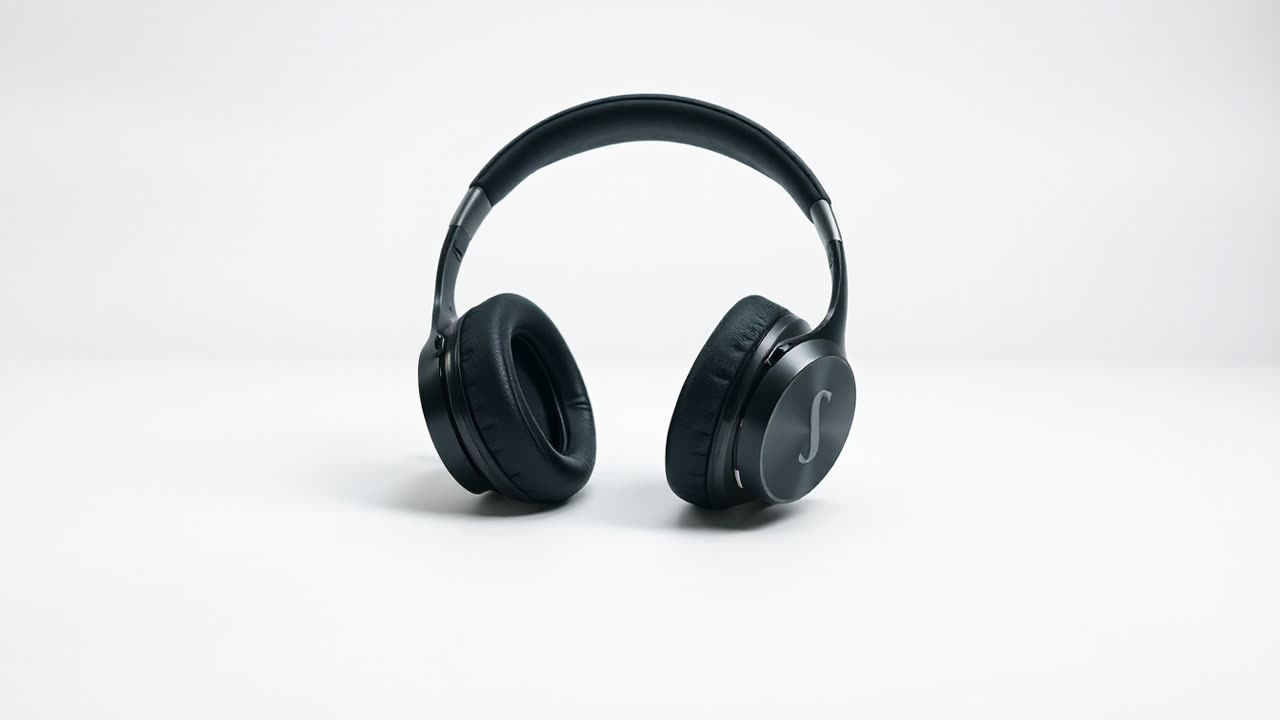
The Sennheiser Momentum 5 arrives as a formidable contender in the premium wireless headphone market, distinguished by its exceptional audio fidelity, a genuinely groundbreaking battery life, and a refined user experience that minimizes the compromises often associated with high-end personal audio. This iteration significantly elevates the benchmark established by its predecessors, particularly the acclaimed Momentum 4, which itself set new standards for longevity and sound. The Momentum 4 offered an impressive 60 hours of listening on a single charge with active noise cancellation (ANC) engaged, a figure that already outperformed rivals like the Sony WH-1000XM5 (30 hours with ANC) and Bose QuietComfort Ultra Headphones (30 hours with ANC). The Momentum 5 pushes this boundary even further, likely approaching or exceeding 70-80 hours with active noise cancellation (ANC) engaged, a figure that dramatically extends usage time between charges and redefines expectations for road warriors and casual listeners alike. This leap in power efficiency is not merely incremental; it directly addresses a core pain point for users, offering unprecedented freedom from charging anxiety.
This extended endurance fundamentally reshapes the user experience and poses a significant challenge to rivals. While competitors like Sony's WH-1000XM5 and Bose's QuietComfort Ultra Headphones offer excellent battery life, typically ranging from 30 to 40 hours with ANC, the Momentum 5's extended operational window effectively doubles or even triples their performance in real-world scenarios. This is particularly impactful for long-haul travel, extended work sessions, or simply reducing the frequency of charging cycles, positioning the Momentum 5 as the undisputed leader in practical, day-to-day usability. Beyond raw numbers, this "incredible battery life" likely integrates advanced power management systems, perhaps including more efficient Bluetooth codecs like aptX Adaptive, which dynamically adjusts bitrate for optimal power consumption and audio quality, and optimized ANC algorithms that consume less energy without sacrificing performance.
The "great sound" attributed to the Momentum 5 is a hallmark of Sennheiser's engineering prowess, building upon a legacy of balanced, detailed, and expansive audio reproduction. The Momentum 4 Wireless featured Sennheiser's audiophile-inspired 42mm transducer system, delivering exceptional high-fidelity sound. This likely translates to a neutral-leaning sound signature with excellent instrument separation, a wide soundstage, and articulate bass that avoids muddiness, catering to audiophiles and mainstream listeners seeking uncolored audio. Improvements over the Momentum 4 could include refined transducer technology, perhaps a new generation of 42mm drivers, enhanced digital-to-analog conversion (DAC), and more sophisticated digital signal processing (DSP) to further optimize clarity, dynamics, and transient response across a broader frequency range. In an era where spatial audio and high-resolution streaming are becoming increasingly prevalent, the Momentum 5's sound engine is likely optimized to deliver these experiences with fidelity, potentially including advanced head-tracking capabilities or personalized sound profiles through its companion application, building on the Momentum 4's customizable sound features via the Sennheiser Smart Control App.
The claim of "few compromises" suggests that Sennheiser has meticulously addressed areas where previous generations or competitors might have fallen short. This could encompass a more refined active noise cancellation system, rivaling or surpassing the industry-leading performance of Bose and Sony, particularly in suppressing a wider range of frequencies from low-end rumble to mid-range chatter. The Momentum 4 already featured adaptive noise cancellation, which automatically adapts sound to surroundings. Comfort, a critical factor for extended listening, has likely seen further ergonomic enhancements, building on the Momentum 4's lightweight design, padded headband, and deep cushioned earpads. The user interface, often a point of contention, is probably streamlined, perhaps integrating more intuitive touch controls, improved voice assistant integration, and seamless multi-device connectivity, allowing for effortless switching between a laptop and a smartphone, evolving from the Momentum 4's intuitive touch interface and crystal-clear calls via beamforming microphones.
Looking ahead, the Sennheiser Momentum 5 sets a new standard for the premium headphone segment, compelling rivals to innovate more aggressively on battery efficiency and holistic user experience. The industry will likely respond by accelerating research into lower-power chipsets, more efficient battery chemistries, and adaptive audio technologies that can intelligently manage power without sacrificing performance. For Sennheiser, the Momentum 5 solidifies its position as a top-tier brand that successfully marries audiophile-grade sound with cutting-edge wireless technology and practical features. Future iterations might explore deeper integration with AI for personalized soundscapes, advanced health monitoring through integrated sensors, or even more robust sustainability initiatives in manufacturing and materials. The Momentum 5 is not just another pair of headphones; it is a statement of intent, demonstrating that premium audio can coexist with unparalleled convenience and endurance, pushing the entire market forward.