Sinopec Declares Hydrogen for Heavy Trucking 'Effectively Obsolete'
World's second-largest oil company asserts battery electric vehicles are rapidly displacing hydrogen in heavy transport, signaling a major industry pivot.
✨ This content was summarized and interpreted by AI; it may contain errors — please verify accuracy with the original sources. Learn more
Listen to this story
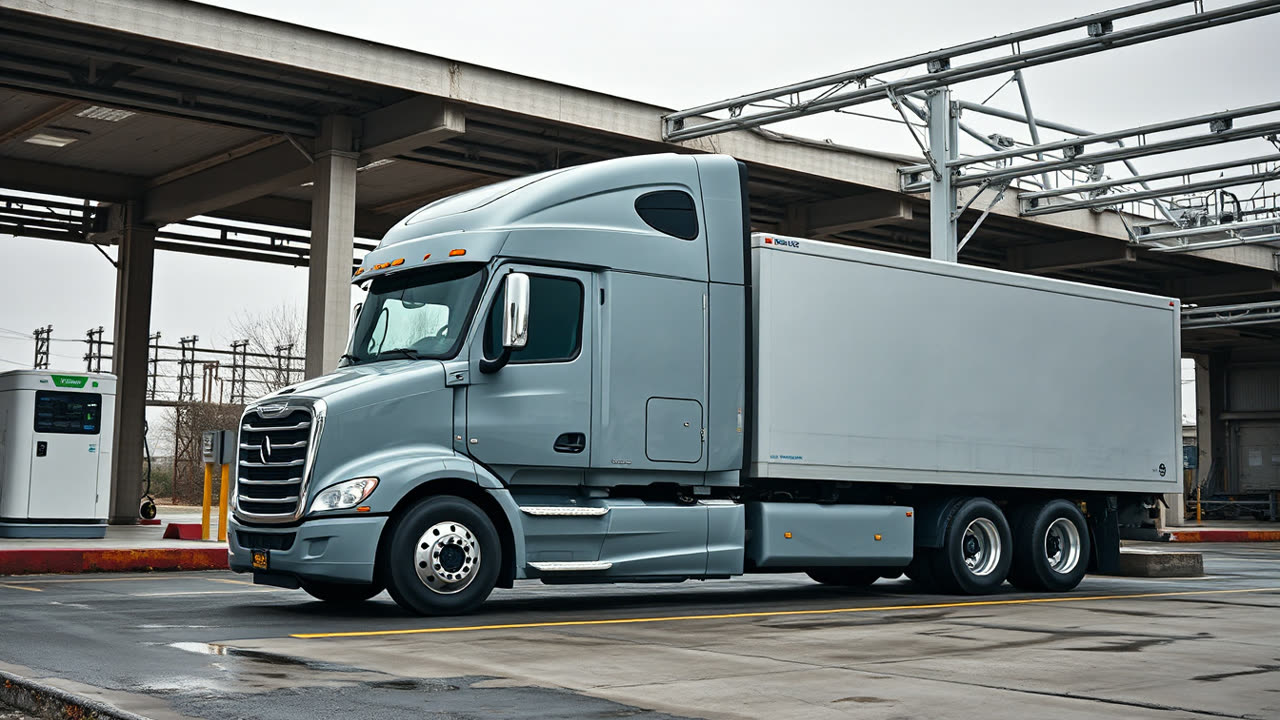
The world’s second-largest oil company, Sinopec, has declared hydrogen for heavy-duty trucking effectively obsolete, asserting that advancements in electric battery technology and charging infrastructure are rapidly displacing its former advantages. This striking pronouncement, made within Sinopec’s internal magazine, signals a significant shift in industry outlook, particularly from a major energy player with vested interests across the spectrum.
Sinopec’s internal publication suggests that the once-touted benefits of hydrogen fuel cells – quicker refueling times and potentially longer ranges – are being eroded by rapid innovation in battery electric vehicle (BEV) technology. Recent breakthroughs in battery energy density and charging speeds for heavy trucks are making BEVs increasingly viable for long-haul applications, directly challenging hydrogen's value proposition. Simultaneously, the expansion of high-power charging networks designed for electric trucks is addressing range anxiety and operational downtime concerns. This declaration from a company like Sinopec, which has previously explored hydrogen applications, underscores a growing consensus among some industry leaders that the economic and infrastructural hurdles for hydrogen in heavy transport may be too great to overcome against the accelerating pace of BEV development.
While hydrogen still holds niche potential in certain industrial applications or very specific long-haul routes with dedicated infrastructure, its broader adoption for heavy trucking appears to be losing momentum. The implication is clear: the race for decarbonizing heavy transport is increasingly tilting towards an electric future, forcing stakeholders to re-evaluate investment strategies and accelerate the build-out of BEV-centric ecosystems. This pivot could see a reallocation of significant capital towards battery research, manufacturing, and charging grid enhancements over hydrogen production and distribution networks for road freight.