Siri's AI Transformation: Apple's Strategic Leap for iOS 27 and macOS Golden Gate
Apple is reportedly preparing a major overhaul of Siri for iOS 27 and macOS Golden Gate, aiming to transform it into a truly intelligent AI assistant amidst rising competition from generative AI leaders like OpenAI.
✨ This content was summarized and interpreted by AI; it may contain errors — please verify accuracy with the original sources. Learn more
Listen to this story
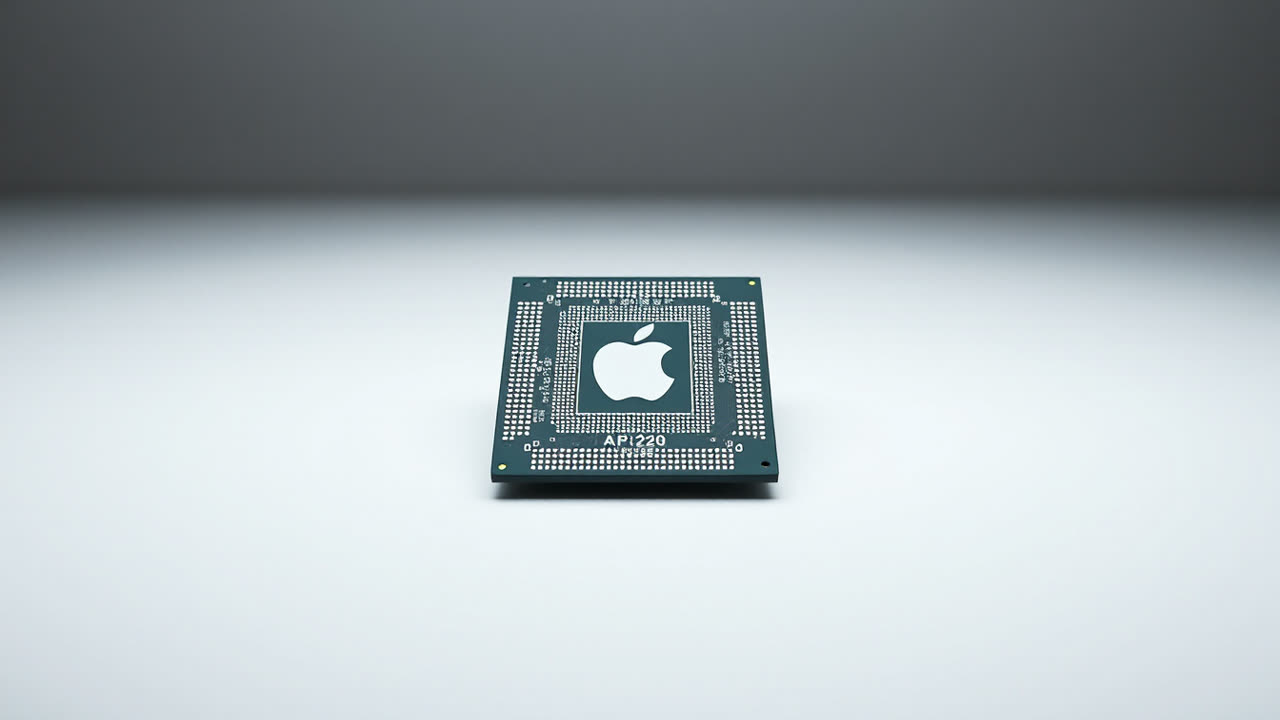
The long-anticipated transformation of Siri into a genuinely intelligent AI assistant, reportedly slated for iOS 27 and macOS Golden Gate, marks a critical inflection point for Apple, coinciding with intensifying competition from generative AI powerhouses like OpenAI, rumored to be developing its own smart speaker. Apple's current AI strategy, while leveraging on-device processing for privacy and speed, has left Siri lagging significantly behind rivals in conversational fluency and contextual understanding. The expected overhaul, potentially integrating sophisticated large language models (LLMs) and advanced neural engines, aims to move Siri beyond its current command-and-control limitations to offer proactive assistance, natural dialogue, and deeply integrated functionality across the Apple ecosystem. This shift is not merely an incremental update but a strategic imperative to re-establish Siri's relevance in a market increasingly defined by AI-first experiences.
The core news revolves around the *expectation* of Siri finally delivering on its original promise of an intelligent assistant, a promise largely unfulfilled since its 2011 debut. Reports suggest iOS 27 and macOS Golden Gate will introduce a "proactive AI engine" that can anticipate user needs based on learned patterns, calendar events, location, and app usage, performing complex multi-step tasks without explicit, rigid commands. For instance, Siri could automatically summarize a lengthy email thread, draft a contextually appropriate response, or even coordinate meeting times by accessing multiple apps and services, all while maintaining Apple's stringent privacy standards through enhanced on-device processing capabilities. This level of integration and natural language understanding would represent a generational leap, potentially leveraging Apple's custom silicon, such as the A-series and M-series chips, which feature powerful Neural Engines designed for AI workloads. The impact on users would be profound, shifting Siri from a frequently frustrating utility to an indispensable digital companion that genuinely saves time and reduces cognitive load. For the industry, it signifies Apple's serious entry into the generative AI assistant race, potentially disrupting competitors who have enjoyed a lead in this domain.
This anticipated Siri evolution comes against a backdrop of intense innovation in the broader AI landscape. Google Assistant and Amazon Alexa have long offered more robust smart home integration and a wider array of third-party skills, while newer generative AI models from companies like OpenAI and Anthropic have set new benchmarks for conversational AI and content generation. Apple's historical reluctance to fully embrace cloud-based AI for privacy reasons has been both a differentiator and a constraint, leading to a more limited, albeit secure, assistant experience. The rumored OpenAI smart speaker, if it materializes, represents a direct challenge, potentially offering a dedicated hardware platform for a highly advanced conversational AI, unburdened by the legacy constraints of existing voice assistants. Such a device could prioritize raw intelligence and conversational depth, appealing to users seeking the most capable AI interaction regardless of ecosystem. This competitive pressure likely accelerates Apple's own efforts, pushing them to balance their privacy-first approach with the need for cutting-edge AI performance. The "Golden Gate" moniker for macOS 2027, if accurate, might even symbolize a bridge to a new era of computing defined by seamless AI integration across all Apple devices.
Looking ahead, the success of Siri in iOS 27 and macOS Golden Gate will hinge not just on its technical prowess but on its ability to integrate seamlessly and intuitively into the user experience without being intrusive. Apple's established ecosystem offers a unique advantage, allowing Siri to leverage deep access to personal data (on-device) and tightly coupled hardware-software optimizations. However, the real test will be whether Apple can deliver an AI that feels genuinely intelligent and personalized, rather than merely more capable. The industry will be watching closely to see if Apple's on-device AI strategy can truly compete with, or even surpass, the capabilities of cloud-centric models while maintaining its privacy commitments. Should Siri finally become the intelligent assistant users have wished for, it could redefine the utility of personal computing devices, making interactions more natural and efficient. Conversely, if the improvements are incremental, Apple risks further ceding ground in the crucial AI assistant market, allowing new entrants like OpenAI to carve out significant niches with their potentially more agile and unconstrained AI solutions. The future of the personal assistant market is rapidly becoming a battleground for AI supremacy, and iOS 27 and macOS Golden Gate represent Apple's decisive move.