Skullcandy's Crusher 1080 ANC Integrates Bose Premium Tech, Reshaping Audio Market
Skullcandy's new $279.99 Crusher 1080 ANC headphones directly challenge the audio industry's established hierarchy by integrating three of Bose's most advanced proprietary technologies, marking a significant strategic pivot for the youth-oriented brand.
✨ This content was summarized and interpreted by AI; it may contain errors — please verify accuracy with the original sources. Learn more
Listen to this story
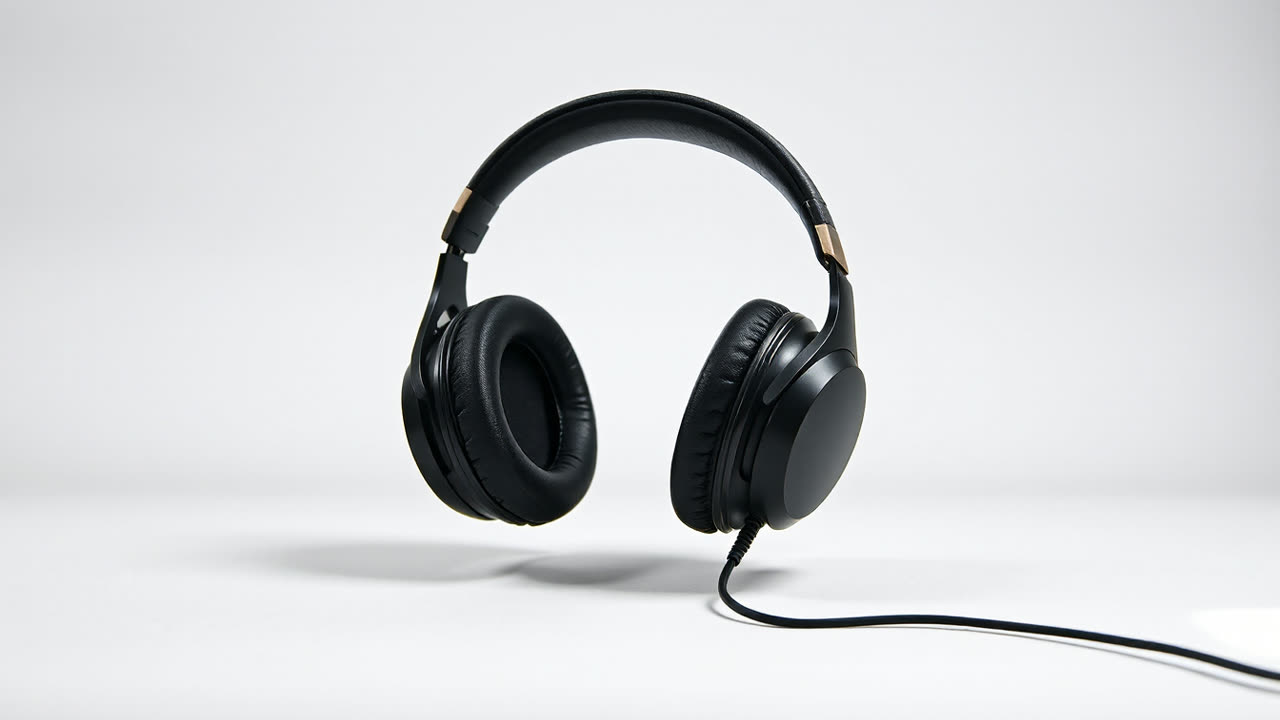
The Skullcandy Crusher 1080 ANC headphones, launched on July 15, 2026, directly challenge the audio industry's established hierarchy by integrating an unprecedented suite of Bose's premium technologies into a product priced at $279.99. This latest offering from Skullcandy, a brand historically synonymous with bass-heavy, youth-oriented, and often budget-tier audio, marks a significant strategic pivot, leveraging "Sound by Bose" to deliver features previously exclusive to much more expensive flagship headphones.
This collaboration is far from a mere branding exercise; the Crusher 1080 ANC is the first non-Bose headphone to incorporate three of Bose's most advanced proprietary technologies: QuietControl adaptive Active Noise Cancellation (ANC), TrueSpatial audio with head tracking, and the WaveForm audio engine. QuietControl adaptive ANC employs six microphones to continuously monitor and adjust noise cancellation performance based on the user's fit and surrounding environment, promising a level of silence traditionally associated with Bose's own QuietComfort line. TrueSpatial audio aims to create an immersive, speaker-like soundstage by anchoring music in a fixed position relative to the listener, while the WaveForm audio engine focuses on maintaining balanced, clear sound across all volumes and even in noisy environments. Beyond these Bose innovations, Skullcandy has also refined its signature sensory bass system, featuring redesigned "live edge" diaphragms in its dual-driver setup to reduce distortion and improve clarity, ensuring the haptic bass experience enhances, rather than compromises, overall audio quality. The headphones boast a robust battery life of up to 60 hours with ANC off, or 50 hours with ANC engaged, and support modern connectivity standards like Bluetooth 5.3 with LE Audio and multipoint pairing.
This strategic alliance carries profound implications for both companies and the broader consumer audio market. For Skullcandy, whose average product price between January and May 2026 was $74.62, the $279.99 Crusher 1080 ANC represents a substantial leap upmarket. The partnership is a direct attempt to shed its "bargain-bin reputation" and appeal to a more discerning audiophile segment, offering premium features at a price point significantly below Bose's own QuietComfort Ultra Headphones, which retail for $449 MSRP. This move could dramatically enhance Skullcandy's brand perception, elevating it from a niche player focused on extreme bass and edgy aesthetics to a credible competitor in the performance-audio space.
For Bose, this licensing strategy, exemplified by the "Sound by Bose" program, signals a calculated expansion of its influence beyond direct hardware sales. By integrating its cutting-edge research and development into other brands' products, Bose can monetize its intellectual property, expand its ecosystem, and maintain market relevance in a rapidly evolving industry. This isn't Bose's first foray into such collaborations; Skullcandy's Method 360 ANC and 540 ANC earbuds, released in April 2026, also featured "Sound by Bose" tuning for under $150. However, the Crusher 1080 ANC takes this a step further by offering core Bose technologies like adaptive ANC and spatial audio, which were previously exclusive. This approach allows Bose to reach a broader demographic, including younger, more budget-conscious consumers who might not typically consider a premium Bose product, thereby reinforcing its brand presence across diverse market segments.
The consumer audio market, valued at $107.52 billion in 2025 and projected to reach $412.08 billion by 2035, is highly competitive, with established giants like Sony, Apple, and Samsung vying for dominance. Bose itself primarily targets affluent professionals, frequent travelers, and tech-savvy Gen Z consumers who prioritize silence, spatial audio, and seamless device integration. The Crusher 1080 ANC, by offering a compelling combination of Skullcandy's unique sensory bass and Bose's top-tier noise cancellation and audio processing, carves out a distinct niche. It directly challenges the mid-to-high-end headphone market, potentially forcing rivals to re-evaluate their feature-to-price ratios. While previous Skullcandy ANC models like the Hesh ANC offered reasonable noise cancellation, they were not considered top-tier. The inclusion of Bose QuietControl is designed to bridge this gap, offering a significant upgrade in a critical performance area.
Looking ahead, the success of the Skullcandy Crusher 1080 ANC will be a critical litmus test for this evolving collaboration model. If positive reviews confirm its ability to deliver premium sound and effective noise cancellation at its aggressive price point, it could catalyze a new wave of technology licensing within the audio industry. This could lead to a more democratized premium audio experience, where advanced features become accessible across a wider range of brands and price points. Conversely, if the execution falters, it risks diluting Bose's carefully cultivated premium image and undermining Skullcandy's ambitious re-branding efforts. The blend of Skullcandy's visceral "feel the music" philosophy with Bose's analytical audio engineering creates a unique value proposition that could resonate powerfully with consumers seeking both excitement and fidelity from their headphones, potentially bridging the long-standing divide between bass enthusiasts and audiophiles. This partnership is not just about a single product; it's a bold experiment in redefining brand identity and market strategy in the competitive world of personal audio.