Slovakia Discovers Russian Backdoors in 279 Speed Cameras
Slovakia's national security was severely compromised after 279 newly acquired speed cameras were found to contain sophisticated Russian backdoors, forcing their immediate deactivation and triggering a critical re-evaluation of supply chain integrity and national security within the European Union.
✨ This content was summarized and interpreted by AI; it may contain errors — please verify accuracy with the original sources. Learn more
Listen to this story
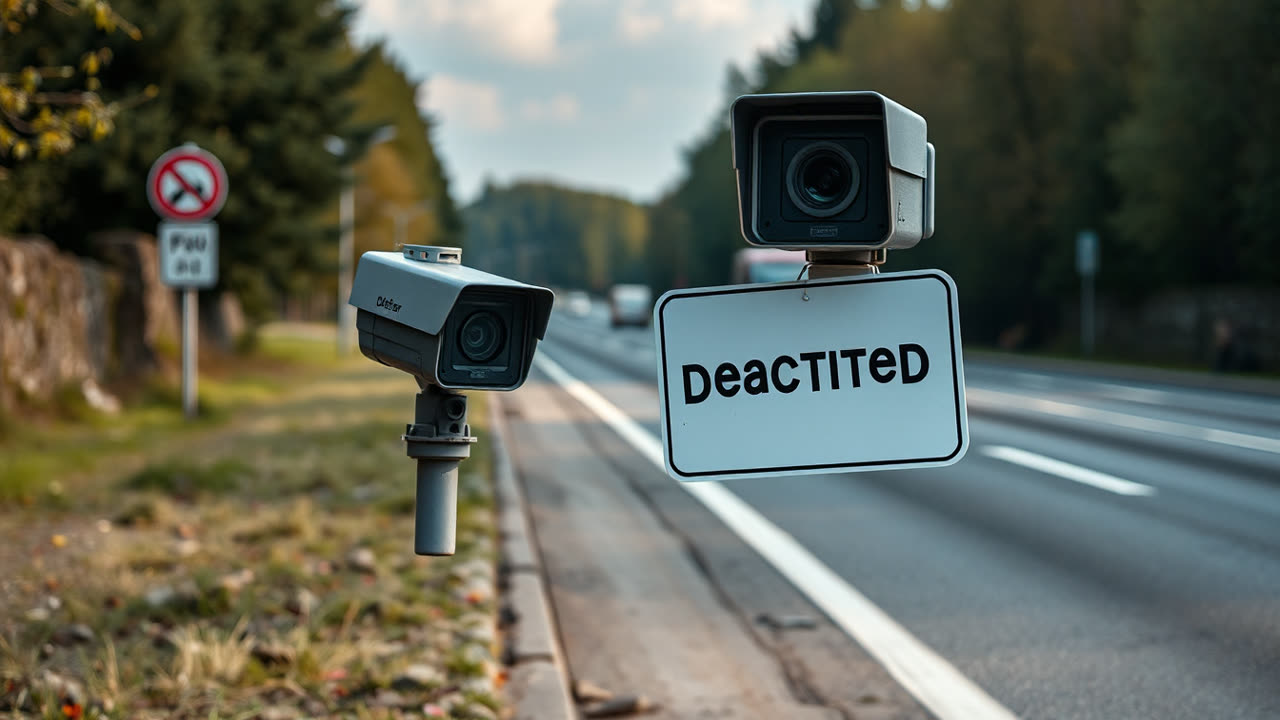
Slovakia’s ambitious modernization of its traffic control infrastructure has been significantly undermined by the discovery of sophisticated Russian backdoors within 279 newly acquired speed cameras, leading to the immediate deactivation of the compromised units by the National Security Service. The alarming vulnerabilities, uncovered during a routine security audit, include SMS-triggered shell access, allowing remote command execution, and unauthorized, passwordless live video feeds, exposing sensitive data streams to potential adversaries. These critical flaws were found in a batch of cameras intended to enhance road safety and efficiency across the nation, a project partially funded by the European Union, raising profound questions about supply chain integrity and national security within the bloc.
The implications of this discovery extend far beyond mere technical malfunction, striking at the heart of trust in critical national infrastructure and the geopolitical weaponization of technology. For users, the immediate concern is the potential for mass surveillance and data exploitation. Traffic cameras collect vast amounts of personally identifiable information, from vehicle registration plates to driver behavior and even facial recognition data in some advanced systems. Unauthorized access to live feeds could enable real-time tracking of individuals, political figures, or strategic assets, while shell access allows for deeper system compromise, potentially enabling data manipulation, system disruption, or even using the cameras as pivot points for attacks on other networked systems within Slovakia’s infrastructure. This level of compromise transforms what should be a public safety tool into a pervasive espionage and sabotage instrument, eroding privacy and fostering a chilling effect on public movement.
From an industry perspective, this incident underscores the urgent need for more robust cybersecurity standards and rigorous vetting processes for hardware deployed in critical infrastructure, particularly when sourced from nations with known state-sponsored cyber capabilities. The discovery highlights a significant gap in current procurement practices, where the lowest bidder or seemingly advanced technology can mask profound security liabilities. The presence of these backdoors suggests a deliberate design choice, rather than accidental oversight, pointing towards a calculated effort to embed surveillance and control capabilities at the hardware level. This kind of compromise complicates detection, as such backdoors can persist through software updates and are often only discovered through in-depth hardware analysis and reverse engineering – a costly and time-consuming process that many national entities may not routinely perform on commercial off-the-shelf (COTS) products. The EU's financial involvement in the rollout further complicates matters, demanding a re-evaluation of how European funds are used to procure technology that could inadvertently serve hostile foreign interests.
This incident is not isolated, but rather fits into a broader pattern of state-sponsored actors attempting to embed surveillance capabilities within global technology supply chains. Similar concerns have been raised regarding telecommunications equipment from certain vendors, leading to widespread bans and restrictions in various countries. The Slovak case serves as a stark reminder that even seemingly innocuous devices like traffic cameras can be weaponized. Historically, the focus has often been on major IT systems or power grids, but the proliferation of IoT devices in smart city initiatives has expanded the attack surface exponentially. Compared to previous generations of traffic cameras, which were largely standalone or locally networked, modern systems are deeply integrated, often cloud-connected, and part of broader smart city ecosystems, making their compromise far more impactful and far-reaching. The sophistication of SMS-triggered shell access, rather than relying solely on internet-based exploits, demonstrates an understanding of diverse communication vectors and a desire for persistent, covert access even in potentially isolated networks.
Looking ahead, Slovakia faces the immediate challenge of not only replacing or securing the compromised cameras but also conducting a comprehensive audit of all critical infrastructure components for similar vulnerabilities. This will likely trigger a broader re-evaluation across the EU regarding procurement policies for non-EU technology, particularly from high-risk geopolitical actors. Expect increased scrutiny on vendor origins, mandatory independent security audits for critical hardware, and potentially the development of EU-specific certification schemes to ensure supply chain integrity. The incident will almost certainly fuel calls for greater investment in domestic or trusted-ally technology development to reduce reliance on potentially compromised foreign hardware. Furthermore, it highlights the need for enhanced intelligence sharing among member states regarding emerging cyber threats and identified vulnerabilities in critical infrastructure components. The long-term outlook suggests a more fragmented global tech market, driven by national security concerns, where geopolitical alignment increasingly dictates technology adoption, leading to higher costs and potentially slower innovation in certain sectors as countries prioritize security over pure economic efficiency.