SmartLabels' AI-Powered QR System Redefines Home Organization
SmartLabels’ 2026 QR Code Organizing System fundamentally redefines home organization by bridging the persistent gap between physical clutter and digital clarity with its AI-driven ability to inventory a household's most chaotic spaces.
✨ This content was summarized and interpreted by AI; it may contain errors — please verify accuracy with the original sources. Learn more
Listen to this story
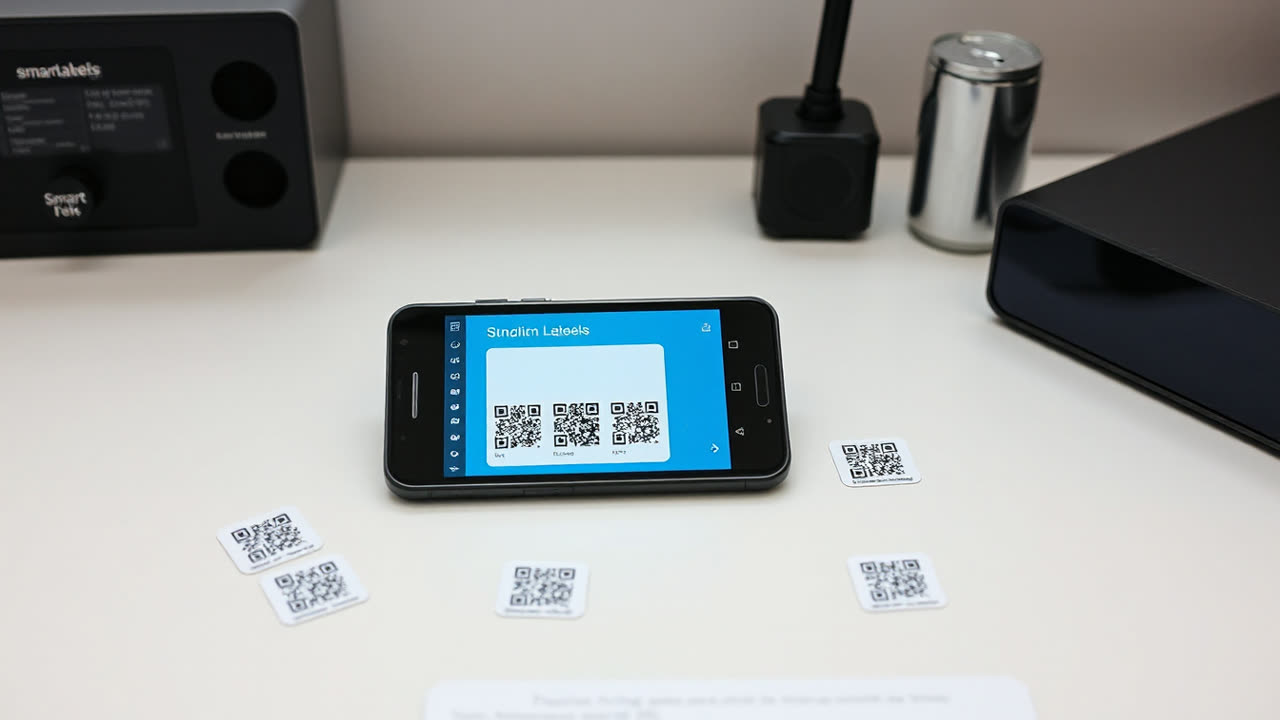
SmartLabels’ 2026 QR Code Organizing System, lauded for its AI-driven ability to inventory a household's most chaotic spaces, fundamentally redefines home organization by bridging the persistent gap between physical clutter and digital clarity. The system, as detailed in recent reviews, introduces a paradigm where users simply affix QR-enabled SmartLabels to containers, photograph their contents, and allow an integrated AI to automatically identify, categorize, and tag items, transforming what was once a tedious manual process into an efficient, automated inventory solution. This AI capability, capable of discerning disparate objects even within a "junk drawer" scenario, represents a significant leap from previous generations of organizing tools that relied heavily on manual data entry or simplistic keyword tagging.
The core innovation lies in the system's sophisticated image recognition and natural language processing, which not only identifies objects but also understands their context, assigning them to logical categories without user intervention. For instance, a single photo of a utility drawer might result in the AI cataloging "AA batteries," "screwdriver set," "spare keys," and "charging cables" individually, complete with searchable tags and estimated quantities. This level of granular, automated cataloging eliminates the primary barrier to digital home inventory: the time commitment. Unlike rudimentary QR label systems that merely link to a user-inputted description or cloud storage for photos, SmartLabels’ AI actively *interprets* the visual data, creating a dynamic, searchable database accessible via a companion app. The system typically involves a starter pack of labels, often priced around $49-$79, and a premium subscription service, ranging from $5-$10 monthly, to unlock advanced AI features and cloud storage for extensive inventories.
This technological leap matters immensely for the modern consumer, who often grapples with an increasing volume of possessions and shrinking storage spaces. For users, SmartLabels translates directly into reduced cognitive load and significant time savings. The frustration of searching for misplaced items, the expense of repurchasing forgotten necessities, and the mental burden of unorganized spaces are directly addressed. Imagine quickly locating a specific tool, a seasonal decoration, or a rarely used appliance with a simple search query on a smartphone, rather than rummaging through multiple boxes. This isn't just about tidiness; it’s about reclaiming mental bandwidth and optimizing resource management within the home. Furthermore, for those managing household inventories for insurance purposes or estate planning, the system provides an invaluable, automatically updated record.
From an industry perspective, SmartLabels sets a formidable new benchmark for smart home integration and personalized AI applications. Previous attempts at digital home inventory often involved barcode scanners, manual spreadsheet entry, or rudimentary photo tagging, all of which suffered from high user friction and limited scalability. Rivals like basic label makers or even other QR code systems, such as those from Brother or Dymo, largely remain analog-digital bridges, requiring human input for data. SmartLabels, by contrast, positions AI as the primary engine for data creation, elevating the utility of simple labels to an intelligent indexing system. This pushes the boundaries of ambient intelligence, where technology proactively understands and manages aspects of a user's physical environment. It also signals a broader trend where AI moves beyond voice assistants and smart thermostats to tackle more complex, unstructured problems within the home.
Looking ahead, the trajectory for SmartLabels and similar AI-powered organization systems appears robust. The next iterations will likely see deeper integration with broader smart home ecosystems, allowing users to ask voice assistants like Alexa or Google Assistant to locate items ("Hey Google, where are my winter gloves?"). Further advancements in object recognition could enable even more nuanced tagging, such as recognizing brands, expiration dates, or even suggesting optimal storage conditions based on item type. The potential for integration with e-commerce platforms also looms large: imagine the system automatically identifying low stock of pantry items and suggesting reorder options, or flagging items nearing their warranty expiration. Challenges remain, particularly around data privacy concerning detailed household inventories and ensuring the AI's accuracy across an infinitely diverse range of personal belongings. However, SmartLabels’ initial success demonstrates a compelling demand for intelligent solutions that bring order to domestic chaos, marking a significant step towards truly autonomous home management.