Solos Smart Glasses Tackle 'Glasshole' Stigma with Physical Privacy Shield
Solos introduces a physical privacy shield for its AirGo V2 smart glasses cameras and a new camera-less model, directly addressing public distrust and the 'glasshole' stigma.
✨ This content was summarized and interpreted by AI; it may contain errors — please verify accuracy with the original sources. Learn more
Listen to this story
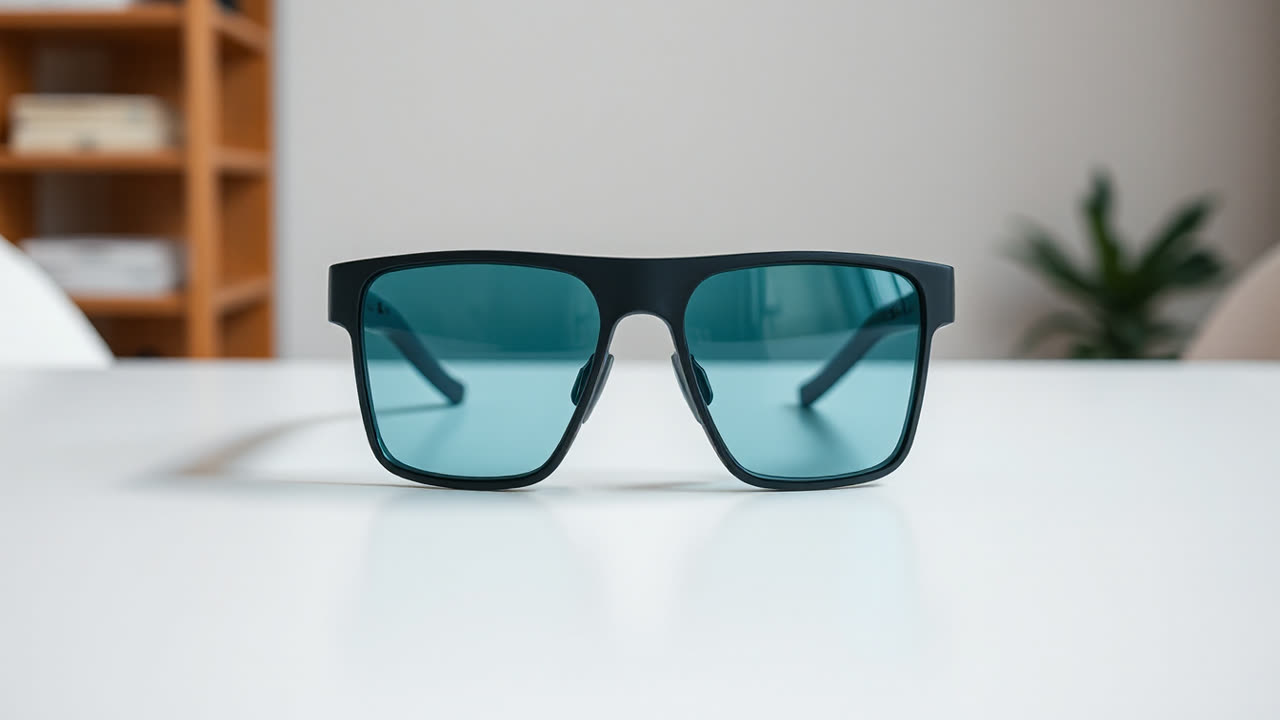
Solos is directly confronting the persistent "glasshole" stigma by introducing a physical privacy shield for the cameras on its AirGo V2 smart glasses. The company's new "Privacy Kit," priced at $79, features a clip-on cover that physically blocks the 16-megapixel camera, rendering it inoperable when attached. This accessory, alongside a "ClearView Temple"—a transparent replacement arm that visually confirms the absence of camera electronics—signals a significant shift in how smart glasses manufacturers are addressing public distrust and privacy concerns.
The move comes as smart glasses face increasing scrutiny and outright bans in various venues, from cruise ships to courts, due to their recording capabilities. Solos acknowledges this societal pushback, marketing the shield as a "physical privacy solution for camera-sensitive situations". Simultaneously, Solos has launched the AirGo A6, a new camera-less AI smart glasses model, further demonstrating a dual strategy for user acceptance.
While a pragmatic response to a genuine market challenge, this approach presents a peculiar consumer dilemma. Users purchasing the $299 camera-equipped AirGo V2 are now encouraged to spend an additional $79 to effectively disable a core feature, or even visibly remove it, to avoid social friction. This highlights the inherent tension between integrating powerful recording technology into everyday eyewear and the public's demand for discretion. Moving forward, the industry must decide if modularity and optional camera features are sufficient, or if camera-free designs will become the default for mainstream adoption, especially as AI capabilities continue to advance within these devices.