Sonos Ace Ultra Headphones Revealed with Wi-Fi and AI Focus
An FCC filing confirms Sonos is launching its Ace Ultra headphones in September, featuring Wi-Fi connectivity and a significant push into AI to deepen ecosystem integration.
✨ This content was summarized and interpreted by AI; it may contain errors — please verify accuracy with the original sources. Learn more
Listen to this story
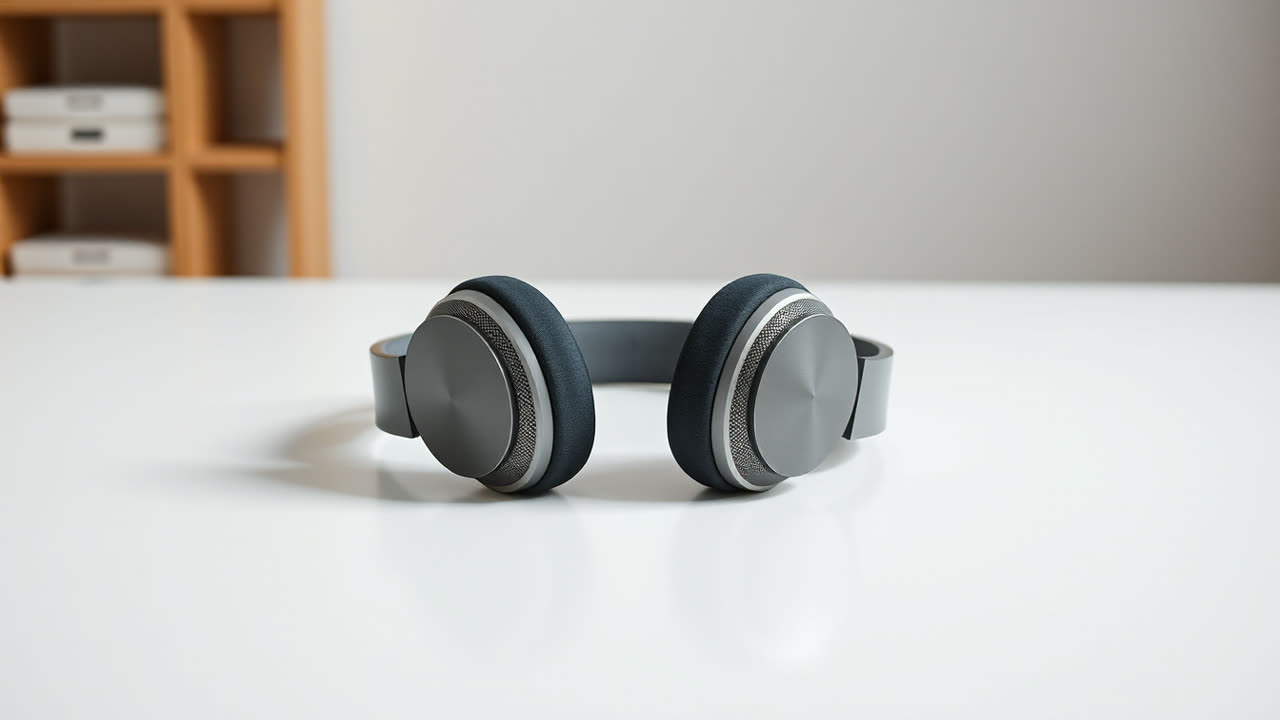
An FCC filing dated August 10, 2026, confirms Sonos is poised to introduce a successor to its Ace headphones, likely named the Sonos Ace Ultra, with a September launch event already confirmed by CEO Tom Conrad. This new "Wireless Headphone," identified as model RM052 with internal references to S52A, includes certification for both Bluetooth and crucial 2.4 GHz and 5 GHz Wi-Fi connectivity. The filing reveals the Ace Ultra is expected to debut in an expanded palette of five finishes: Greige, Shadow Black, Agave, Blush, and Sand, moving beyond the monochromatic black and white of its predecessor. This imminent release signals a pivotal moment for Sonos, aiming to rectify the original Ace's perceived shortcomings and deepen its integration into the company's renowned multi-room audio ecosystem, particularly with a significant push into artificial intelligence.
The arrival of the Sonos Ace Ultra matters profoundly for both users and the competitive audio industry, as it represents Sonos's critical second attempt to solidify its presence in the premium wireless headphone market. The original Sonos Ace, launched in May 2024, garnered praise for its sound quality and active noise cancellation but faced criticism for its limited integration with the broader Sonos ecosystem, hindering seamless audio transfer between its speakers and the headphones. CEO Tom Conrad has openly acknowledged that the first-generation headphones lacked sufficient whole-home integration and differentiation in a crowded category, contributing to a modest sales figure of approximately 200,000 units. The Ace Ultra's inclusion of Wi-Fi is a direct response to this feedback, promising the ability for the headphones to join a Sonos system like its speakers, enabling lossless audio streaming over Wi-Fi at home and fluidly moving music between devices without reverting to Bluetooth. This capability, if executed flawlessly, could provide a unique selling proposition that rivals like Apple's AirPods Max 2, Sony's WH-1000XM5, or Bose's QuietComfort Ultra Headphones struggle to replicate, offering genuine analytical value beyond mere technical specifications.
Beyond connectivity, the Ace Ultra is poised to become a central component of Sonos's ambitious AI strategy, with technical details in the FCC filing hinting at support for voice commands. CEO Conrad has increasingly spoken about "conversational computing" and "predictive intelligence" within the home, envisioning Sonos devices as hardware capable of understanding and interacting across rooms. This initiative goes beyond simply embedding another chatbot; it aims for natural voice interactions that solve practical problems, potentially allowing users to control smart home devices like Philips Hue lights or Lutron Caseta accessories directly through their headset, extending the capabilities of the existing Sonos Voice Control. This strategic pivot is crucial, especially as competitors like Apple are enhancing their offerings, with the AirPods Max 2, released in March 2026, featuring the H2 chip, stronger noise cancellation, Live Translation, and forthcoming Siri AI integration in iOS 27. Sonos cannot afford to merely iterate on noise cancellation or battery life; the Ace Ultra must deliver a truly integrated and intelligent experience to stand out.
The context of this launch is also vital, as Sonos has been on a path to recovery following a "botched app release two years ago" that impacted sales and necessitated a "reinvention of the business." The company's Q3 Fiscal 2026 earnings report in July showed positive momentum, with revenue growing 9% year-over-year to $375 million, signaling an "inflection" point. This financial rebound underscores the importance of the Ace Ultra as a flagship product in Sonos's renewed commitment to "product innovation" and "customer advocacy." By addressing the original Ace's limitations and pushing forward with advanced AI and seamless ecosystem integration, Sonos aims to rebuild customer trust and reassert its premium position.
Looking ahead, the September launch event will be under intense scrutiny. The success of the Ace Ultra will hinge not just on its hardware prowess, but on the tangible utility and seamlessness of its Wi-Fi integration and AI features. If Sonos can deliver on the promise of truly fluid audio handoff and intuitive, context-aware voice control across its ecosystem, the Ace Ultra could become a formidable contender, creating a unique value proposition for existing Sonos users and attracting new customers. Conversely, if the AI feels tacked-on or the ecosystem integration remains clunky, it risks repeating the mistakes of its predecessor in an even more competitive market. As a "higher-end follow-up," the pricing will also be a critical factor, likely exceeding the current Ace's approximate AED 1,479 (roughly $400 USD). The Ace Ultra is more than just new headphones; it's a statement about Sonos's future vision for connected home audio and its ability to innovate beyond its core speaker business.