Sonos Unveils Premium Beam Ultra Soundbar and Ace Ultra Headphones
Sonos introduces its most ambitious compact home theater soundbar, the Beam Ultra, and advanced Ace Ultra headphones, signaling a definitive push into premium, immersive audio experiences.
✨ This content was summarized and interpreted by AI; it may contain errors — please verify accuracy with the original sources. Learn more
Listen to this story
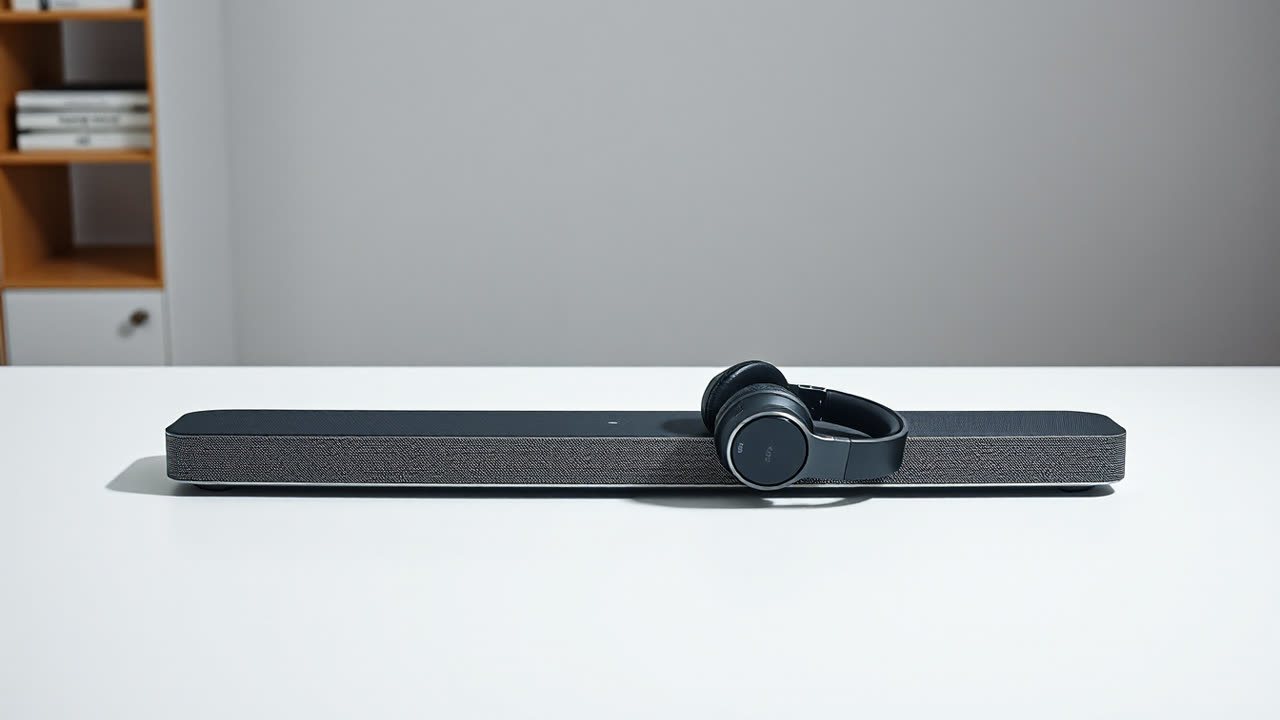
Sonos has today unveiled its most ambitious compact home theater offering yet, the $699 Beam Ultra soundbar, alongside the $449 Ace Ultra headphones, signaling a definitive move towards premium, immersive audio across its ecosystem. This launch, highlighted at the company's recent open house event, underscores Sonos's strategy to not only refine its core soundbar and multi-room audio experience but also to deeply integrate personal listening into its connected home vision. The Beam Ultra, positioned above the popular Beam Gen 2, introduces enhanced acoustic architecture and advanced signal processing, reportedly delivering a more expansive soundstage and improved spatial audio rendering for its size. Simultaneously, the Ace Ultra headphones mark a significant evolution from the original Ace, boasting superior active noise cancellation, lossless audio support, and a more refined design, directly challenging established players in the high-end personal audio market. These hardware releases are complemented by a suite of under-the-hood app updates, some slated for immediate rollout, promising a more intuitive user experience and seamless integration between home and portable audio.
The significance of these new "Ultra" designations extends beyond incremental upgrades, representing Sonos's commitment to pushing the boundaries of what's achievable in compact form factors and personal audio. For users, the Beam Ultra promises a more compelling home theater experience without the physical footprint of larger soundbars like the Arc, potentially making premium spatial audio accessible to a wider range of living spaces. Its enhanced upward-firing drivers and side-firing elements likely contribute to a more convincing Dolby Atmos effect, aiming to immerse listeners in a three-dimensional soundscape previously reserved for more expensive or complex setups. The $699 price point places it firmly in the upper-midrange soundbar segment, where it competes with offerings from Bose and Samsung, necessitating exceptional performance to justify the premium. For the industry, the Beam Ultra's advancements could accelerate the adoption of spatial audio in mainstream home entertainment, forcing rivals to innovate further in compact soundbar design and processing capabilities.
Meanwhile, the Ace Ultra headphones are a pivotal product in Sonos's long-term strategy, cementing its foray into the highly competitive premium headphone market. The inclusion of lossless audio support, likely via advanced Bluetooth codecs or proprietary wireless transmission, directly addresses audiophile concerns and positions the Ace Ultra against titans like Apple's AirPods Max and Sony's WH-1000XM5 series. The original Ace headphones, while well-received for their sound quality and Sonos ecosystem integration, faced stiff competition on features like ANC and battery life. The "Ultra" iteration aims to close that gap, offering a more robust noise cancellation system and potentially improved battery longevity, crucial for daily use. The seamless switching between the Ace Ultra and Sonos soundbars, a hallmark of the Sonos ecosystem, remains a key differentiator, offering a private listening experience that leverages the existing home audio setup. This integration could prove particularly appealing to existing Sonos users, further locking them into the ecosystem and potentially drawing new users seeking a unified audio experience across devices.
Compared to its predecessors, the Beam Ultra represents a significant leap from the Beam Gen 2, which itself was praised for its virtualized spatial audio. The "Ultra" likely incorporates dedicated hardware or more powerful processing for object-based audio, moving beyond virtualization to deliver a more discrete and impactful sonic presentation. Against the flagship Arc, the Beam Ultra still aims for a smaller footprint, but its enhanced capabilities narrow the performance gap, making it a formidable choice for those prioritizing space and aesthetics without compromising too much on immersion. In the headphone arena, the Ace Ultra builds upon the foundation of the original Ace, which was Sonos’s first foray into personal audio. The "Ultra" designation implies not just iterative improvements but potentially new transducer technology, more sophisticated digital signal processing, and perhaps even personalized audio calibration features, directly targeting the audiophile and discerning casual listener alike.
Looking ahead, Sonos's "Ultra" strategy suggests a clear trajectory towards offering premium, high-fidelity audio experiences across all product categories. The app updates, while less flashy, are critical to this vision, ensuring that the new hardware integrates seamlessly and that users can effortlessly manage their entire Sonos ecosystem. Expect future software enhancements to further leverage the advanced capabilities of the Ultra devices, perhaps introducing more granular spatial audio controls or personalized sound profiles. The success of the Beam Ultra and Ace Ultra will largely depend on their ability to deliver on their premium promise, justifying their price points with demonstrable performance improvements and robust feature sets. If these products resonate with consumers, Sonos could solidify its position as a dominant player in both the home theater and premium personal audio markets, further expanding its ecosystem and challenging competitors to innovate at an accelerated pace. This move also hints at potential future "Ultra" versions of other Sonos products, such as the Era speakers or the Sub, as the company continues to refine its premium audio offerings.