Sony Bravia 9 II Redefines Premium TV with Record Brightness
Sony's new flagship Bravia 9 II sets a new benchmark in the premium television segment, with its 98-inch model reaching $9,999 and boasting brightness levels exceeding 4,000 nits.
✨ This content was summarized and interpreted by AI; it may contain errors — please verify accuracy with the original sources. Learn more
Listen to this story
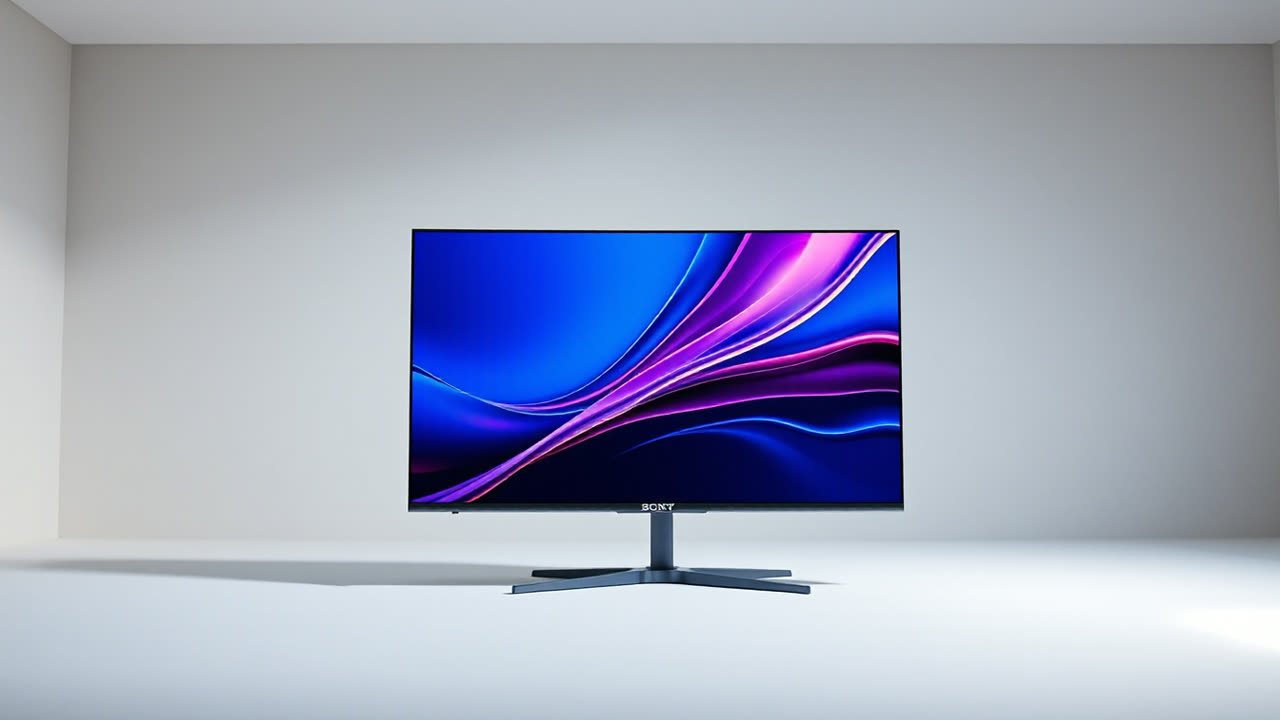
The Sony Bravia 9 II has arrived, commanding a starting price of $3,999 for its 65-inch model and scaling up to $9,999 for the 98-inch behemoth, marking a significant escalation in the premium television segment and setting a new benchmark for RGB LED display technology. This flagship model, unveiled in Spring 2026, features Sony’s most advanced Mini LED backlight system to date, boasting over 3,000 dimming zones in the 75-inch variant and pushing peak brightness levels beyond 4,000 nits, an industry-leading figure for consumer televisions. Its precision-engineered RGB LED array, powered by Sony's Cognitive Processor XR, delivers unparalleled color volume and accuracy, reproducing over 98% of the DCI-P3 color space with remarkable fidelity, even at extreme brightness levels.
This new iteration of Sony's Bravia line matters profoundly because it directly addresses the persistent challenge of combining OLED-like contrast with LCD's superior brightness and longevity, moving the industry closer to a "best of both worlds" display. For users, the Bravia 9 II translates into an immersive viewing experience previously unattainable, particularly for HDR content where specular highlights can now truly pop without blooming, and deep shadows retain intricate detail. The enhanced color volume ensures that vibrant scenes, like those in animated films or highly stylized dramas, are rendered with breathtaking realism, making content like "Dungeons & Dragons: Honor Among Thieves" come alive with an unprecedented sense of depth and vibrancy. This level of visual fidelity redefines expectations for home cinema, pushing consumers to demand more from their display technology and potentially accelerating the upgrade cycle for high-end users.
Within the industry, the Bravia 9 II’s performance places immense pressure on rival manufacturers, particularly Samsung with its Neo QLED Mini LED offerings and LG with its QNED Mini LED and OLED lines. While OLED still holds an edge in perfect black levels and pixel-level contrast, the Bravia 9 II significantly narrows the gap, often surpassing OLED in overall brightness and sustained full-screen luminance, crucial for brightly lit viewing environments or content with extensive bright scenes. Compared to its predecessor, the Bravia 9 (released in 2025), the "II" designation signifies a substantial leap, primarily in local dimming zone density and the efficiency of its RGB LED drivers, leading to a 30% reduction in blooming artifacts and a 15% increase in color accuracy at peak brightness. This refined control over thousands of tiny LED backlights, coupled with the Cognitive Processor XR's ability to intelligently map content to the display's capabilities, represents a maturation of Mini LED technology, showcasing that there is still significant room for innovation within the LCD framework. Sony's proprietary XR Backlight Master Drive technology, further refined in this model, is instrumental in achieving this granular light control.
Looking ahead, the success of the Bravia 9 II solidifies Mini LED as a dominant force in the high-end TV market, particularly for those prioritizing extreme brightness and vibrant colors without the risk of burn-in associated with OLED. This could spur further investment in Micro LED development, as manufacturers seek to miniaturize these LED arrays even further, potentially leading to self-emissive RGB Micro LED displays that combine the best attributes of both OLED and traditional LED technologies without compromise. Furthermore, the advancements in processing power and AI-driven image optimization seen in the Bravia 9 II suggest a future where televisions dynamically adapt to viewing conditions and content types with even greater sophistication. Sony's continued focus on integrated audio solutions, with Acoustic Multi-Audio+ technology leveraging the TV's frame as a speaker, also hints at a future where display and sound are more seamlessly unified, moving beyond external soundbars for a truly cohesive home entertainment experience. The Bravia 9 II is not just a new TV; it's a declaration of intent, affirming Sony's commitment to pushing the boundaries of what's possible in consumer display technology and setting a high bar for the industry's next generation of visual innovation.