Sony Patent Hints at PlayStation Controllers with Tap-to-Pay Functionality
A new Sony patent application details how future PlayStation controllers could integrate NFC technology to enable direct tap-to-pay transactions for digital content and microtransactions.
✨ This content was summarized and interpreted by AI; it may contain errors — please verify accuracy with the original sources. Learn more
Listen to this story
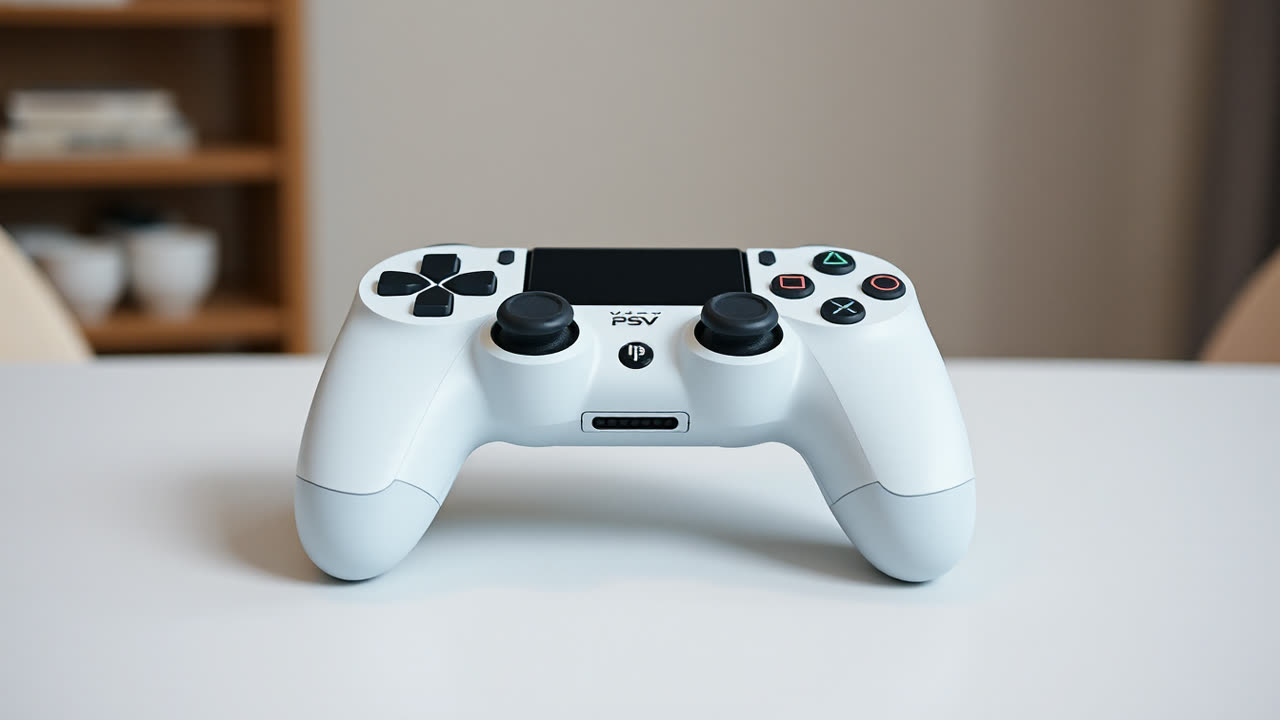
Sony's recent patent application reveals a groundbreaking potential for future PlayStation controllers to integrate tap-to-pay functionality, transforming the familiar gaming peripheral into a credit card and gift card terminal. This innovative concept, detailed in a patent titled "Controller for Processing Payments" filed by Sony Interactive Entertainment, describes a system where an NFC (Near Field Communication) reader, potentially alongside Bluetooth capabilities, would be embedded directly into the controller, enabling users to make instant purchases by simply tapping a credit card, debit card, or even a gift card against the device. The patent specifically highlights the ability to process payments from physical cards and mobile devices, streamlining transactions for digital content, microtransactions, and perhaps even physical goods within the PlayStation ecosystem.
This development carries significant implications for both users and the gaming industry, fundamentally altering how transactions occur within the console environment. For users, the primary benefit is unparalleled convenience. The friction often associated with entering lengthy credit card details or navigating multiple menus to redeem gift cards could be drastically reduced, potentially leading to more impulsive purchases of in-game items, DLC, or even full digital titles. This "one-tap" shopping experience, akin to mobile payment systems, could make the PlayStation platform even more accessible for quick, small-value transactions. However, this ease of access also raises concerns about potential overspending, particularly for younger players or those susceptible to impulse buys, necessitating robust parental control features and spending limits. The security aspect, while not explicitly detailed in the patent beyond the use of NFC, would be paramount, requiring advanced encryption and fraud prevention measures to protect sensitive financial data.
From an industry perspective, this patent represents a strategic move by Sony to deepen its control over the monetization pipeline and further integrate its hardware into the digital economy. By embedding payment processing directly into the controller, Sony could potentially capture a larger share of transaction fees, bypass third-party payment gateways, and gather more direct data on consumer spending habits within its ecosystem. This could provide a competitive edge in the fiercely contested digital storefront market, where rivals like Microsoft's Xbox and Nintendo's eShop currently rely on more traditional payment input methods through their console interfaces or linked accounts. While these platforms offer integrated purchasing, none currently propose the physical tap-to-pay convenience directly on the primary input device. The patent also suggests a potential future where the PlayStation controller could act as a universal payment terminal, possibly extending beyond gaming to other digital services or even physical retail partnerships, though such applications are speculative at this stage.
The background of console payment methods has traditionally involved inputting credit card information directly into the console's digital storefront or redeeming digital codes purchased elsewhere. Sony's PlayStation Store, like its competitors, has evolved to accept various payment methods, including PayPal, direct debit, and pre-paid wallet top-ups. This patent, however, marks a significant departure by moving payment *input* from the console's software interface to the hardware itself, specifically the controller. This is a leap beyond current-generation controllers, which are primarily focused on input for gameplay and system navigation. While smartphones have long incorporated NFC for tap-to-pay, integrating this into a dedicated gaming peripheral is a novel approach for the console market, potentially setting a new standard for user convenience and direct monetization.
Looking ahead, the implementation of this patent, while not guaranteed, could usher in a new era of seamless microtransactions and digital content acquisition. If adopted, it would likely appear in a future iteration of the DualSense controller for the PlayStation 6 or a mid-generation refresh of the PlayStation 5. The primary challenges for Sony would include ensuring robust security protocols, navigating various regional payment regulations, and convincing consumers of the benefit and trustworthiness of such a system. The strategic implications are vast: it could solidify PlayStation's position as a leader in innovative user experience, enhance its direct revenue streams, and potentially spur rivals to develop similar or alternative frictionless payment solutions. Ultimately, this patent signals Sony's intent to not only dominate the gaming experience but also to redefine the very act of commerce within its burgeoning digital ecosystem.