Sony Reportedly Relaunching Acclaimed WH-1000XM4 Headphones
Sony is reportedly poised to reintroduce its acclaimed WH-1000XM4 noise-canceling headphones, signaling a strategic shift towards prioritizing accessibility and proven performance over annual upgrades in the premium audio market.
✨ This content was summarized and interpreted by AI; it may contain errors — please verify accuracy with the original sources. Learn more
Listen to this story
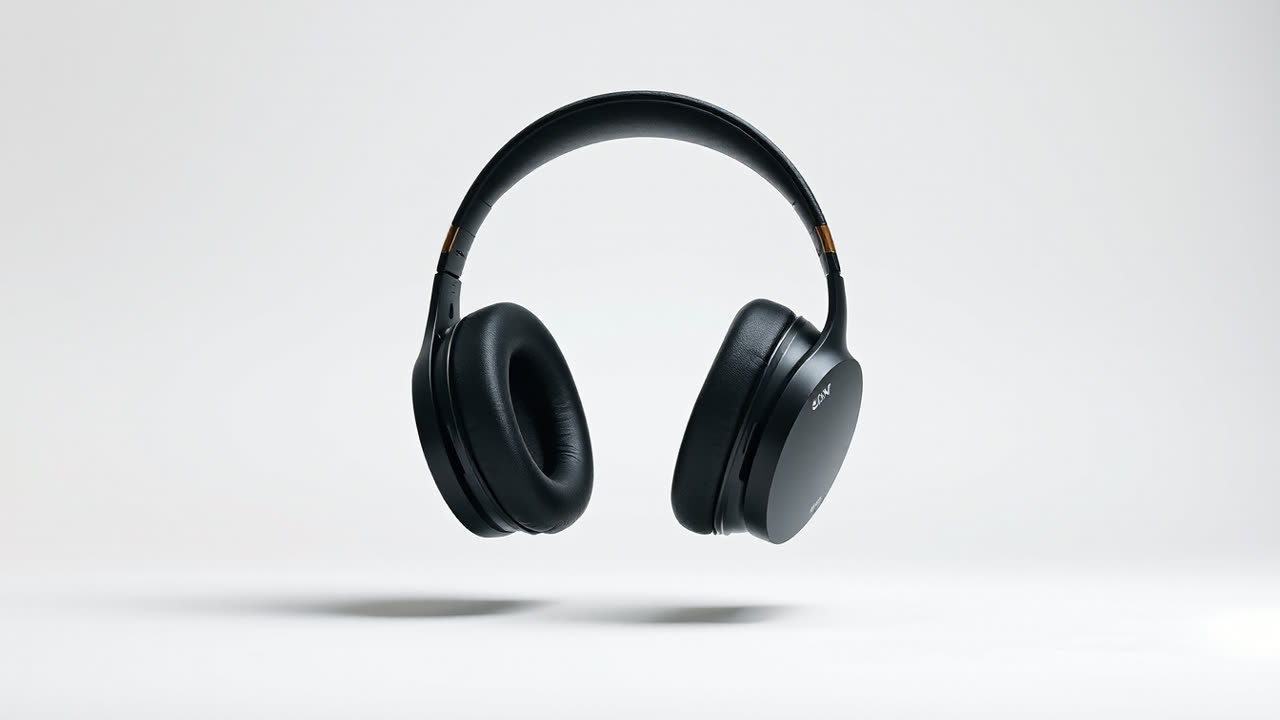
Sony is reportedly poised to reintroduce its acclaimed WH-1000XM4 noise-canceling headphones, a strategic maneuver that signals a potential shift in the premium audio market's relentless pursuit of annual upgrades, prioritizing accessibility and proven performance over cutting-edge innovation. This rumored "reboot" of the 2020 flagship model, rather than an entirely new product line, suggests Sony aims to offer a compelling, cost-effective alternative to its current WH-1000XM5 headphones, which launched in May 2022 at an initial price of $399.99. The WH-1000XM4, originally priced at $349.99, garnered widespread critical acclaim for its industry-leading noise cancellation, exceptional sound quality, and robust feature set, including multipoint connectivity and DSEE Extreme audio upscaling.
The decision to revive a previous generation model holds significant implications for both consumers and the broader headphone industry. For users, it promises access to a top-tier noise-canceling experience at a potentially lower price point, mitigating the "upgrade fatigue" often associated with rapidly evolving tech markets. The WH-1000XM4 remains highly competitive, even four years after its initial release, offering features like adaptive sound control, speak-to-chat, and excellent battery life (up to 30 hours with ANC). While the WH-1000XM5 introduced a more refined, lighter design, improved call quality with eight microphones, and enhanced noise cancellation, it also featured a non-folding design and a higher price tag. A re-released WH-1000XM4 could offer the best of both worlds: premium features at a more palatable cost, especially if Sony optimizes its manufacturing processes to further reduce production expenses. This move could also extend the product lifecycle of a highly successful design, maximizing return on investment for Sony's research and development.
In the competitive landscape, this strategy could allow Sony to more effectively challenge rivals like Bose and Apple. Bose’s QuietComfort Ultra Headphones, launched in October 2023 at $429, offer spatial audio and advanced noise cancellation, positioning them at the very top of the premium segment. Apple's AirPods Max, released in December 2020 at $549, continue to command a premium price with their seamless Apple ecosystem integration and robust build quality. By offering a re-tuned WH-1000XM4, potentially at a sub-$300 price, Sony could carve out a distinct market segment, appealing to value-conscious consumers who still demand high-end performance without the absolute latest innovations. This also provides a clear tiered offering: the WH-1000XM5 for those seeking the absolute best and newest, and the WH-1000XM4 reboot for those prioritizing proven value.
The background of Sony's WH-1000X series reveals a consistent trajectory of innovation and market dominance. Each generation, from the original MDR-1000X to the WH-1000XM5, has pushed the boundaries of active noise cancellation and audio fidelity. The WH-1000XM4 notably improved upon its predecessor, the WH-1000XM3, by adding multipoint Bluetooth connectivity, DSEE Extreme, and improved noise cancellation algorithms, particularly in the mid-range frequencies. The WH-1000XM5, while offering superior call quality and a sleeker aesthetic, slightly altered the sound profile and lost the foldable design, a feature many users appreciated in earlier models. A re-release of the XM4 could also be an acknowledgment of the enduring popularity of its foldable design and slightly warmer sound signature, catering to a segment of consumers who preferred those aspects over the XM5's advancements.
Looking ahead, this strategy could herald a broader trend in consumer electronics, where manufacturers might increasingly leverage successful older designs to create more accessible product tiers. Instead of solely focusing on iterative upgrades that often yield diminishing returns in user experience, companies might find success in re-optimizing and re-positioning beloved models. Sony could refresh the WH-1000XM4 with minor updates, perhaps a newer Bluetooth chip for improved efficiency or a wider range of color options, without overhauling its core components. This approach allows Sony to maintain a strong presence across different price points in the fiercely competitive premium headphone market, ensuring they capture both early adopters and more pragmatic buyers. Furthermore, it could pave the way for a more staggered release cycle for flagship models, allowing each generation to mature longer in the market before being supplanted, ultimately benefiting consumers with more stable pricing and a wider array of proven choices. The success of such a reboot will ultimately depend on its pricing and any subtle enhancements Sony might integrate, but it represents an intriguing and potentially influential pivot in product lifecycle management.