Sony Revives WH-1000XM4 Headphones as XM4C, Reshaping Premium Mid-Tier Market at $299.99
Sony's 2026 audio strategy takes an unprecedented turn with the reintroduction of its acclaimed WH-1000XM4 noise-cancelling headphones, rebranded as the WH-1000XM4C, priced at a strategic $299.99, a move that fundamentally reshapes the premium headphone market's mid-tier.
✨ This content was summarized and interpreted by AI; it may contain errors — please verify accuracy with the original sources. Learn more
Listen to this story
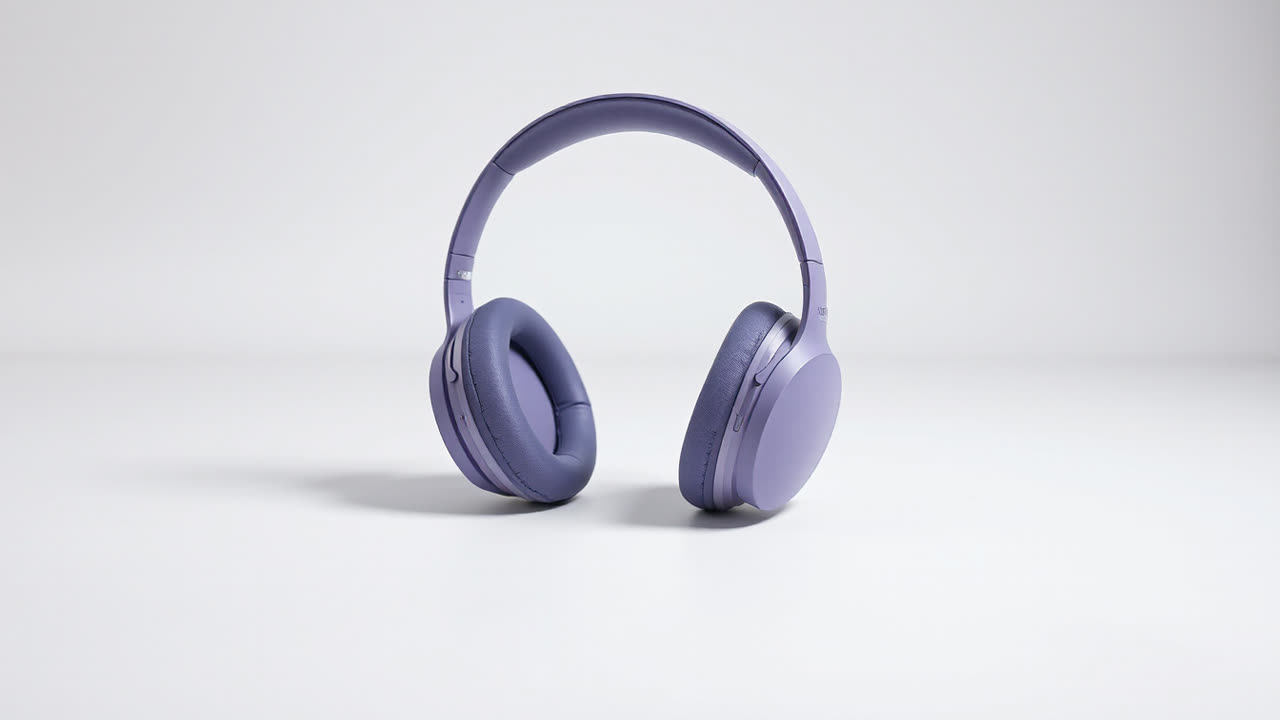
Sony's 2026 audio strategy takes an unprecedented turn with the reintroduction of its acclaimed WH-1000XM4 noise-cancelling headphones, rebranded as the WH-1000XM4C, priced at a strategic $299.99, a move that fundamentally reshapes the premium headphone market's mid-tier. This refreshed model, available starting in fall 2026, directly replaces its 2020 predecessor, which originally launched at $349.99. While retaining the iconic over-ear, swivel-fold design and the highly effective QN1 chip for active noise cancellation (ANC), the XM4C introduces several "useful updates" tailored for the current audio landscape.
Key enhancements include a significantly upgraded 10-band equalizer, a substantial leap from the original’s 5-band EQ, alongside an updated sound profile meticulously tuned to "modern listening tastes," promising richer vocals, greater separation, a more immersive soundstage, enhanced dynamics, and punchier bass. The refreshed model also gains Sony's "Quick Access" feature for one-touch launch of various streaming services and introduces a new Lavender color option, complementing the classic Black and Silver finishes. Crucially, the reintroduction addresses a critical regulatory shift: the original XM4's battery was not compliant with the European Union's 2023/1542 regulation, which mandates user-removable portable batteries. The XM4C's launch implies adherence to this standard, signaling a move towards greater product longevity and repairability, though it comes with a slight trade-off in battery life, dropping to 27 hours with ANC enabled (from 30 hours) and 34 hours without ANC (from 38 hours).
This strategic re-entry of a beloved "greatest hit" carries profound implications for both consumers and the wider industry. For users, it offers an opportunity to acquire a highly-praised, proven noise-cancelling headphone at a more accessible price point, effectively creating a compelling "upper-midrange" option within Sony's own premium lineup. This provides a clear choice between the flagship WH-1000XM6, which launched at $450, and the still-relevant WH-1000XM5, which retailed at $399 upon its 2022 debut. The XM4C's $300 price tag positions it as a direct competitor to mid-to-high-end offerings from rivals while leveraging the XM4's established reputation for exceptional noise cancellation and sound quality. The inclusion of a user-replaceable battery, driven by EU regulations, is a significant long-term benefit for consumers, promising extended product lifespans and a more sustainable ownership experience. This aligns with Sony's broader "Road to Zero" environmental commitment, aiming for a zero environmental footprint by 2050.
From an industry perspective, Sony's move solidifies a multi-tiered premium headphone strategy, allowing the company to capture a wider segment of the market. The premium tier already accounted for 53.72% of the active noise cancellation headphone market share in 2025, with the low-price segment forecast for significant growth. By positioning the XM4C at $300, Sony directly targets the "moderate" price range, demonstrating a nuanced understanding of market segmentation. This approach also exerts considerable pressure on competitors. The Sennheiser Momentum 4 Wireless, for example, launched at $349.95 in 2022 but can now be found for around $225-$270, offering an impressive 60 hours of battery life. The Bose QuietComfort Ultra Headphones (2nd Gen) remain a formidable rival, lauded for their superb, class-leading noise cancellation and immersive audio. The XM4C provides a known, high-value alternative against these established players and newer, potentially more expensive models.
The background of the original WH-1000XM4, launched in August 2020, saw it quickly garner widespread acclaim, earning perfect scores in reviews for its comfort, powerful ANC, sound quality, and features like multipoint Bluetooth. It became the longest-running model in Sony's 1000X series, a testament to its enduring appeal. While the successor, the WH-1000XM5, introduced a refined design, new drivers, and more advanced ANC, some comparisons in 2025 still found the XM4 to offer superior value or even slightly better performance in certain aspects, such as blocking low-frequency rumble. The current flagship, the WH-1000XM6, further elevates the premium experience with an upgraded design, a more powerful QN3 chip (seven times that of the QN1), and advanced features like spatial audio with head tracking. The XM4C, therefore, isn't meant to eclipse these flagships but rather to serve as a highly competent, value-driven alternative that capitalizes on a proven design and performance.
Looking ahead, this move by Sony could signal a broader industry trend. The necessity of complying with evolving regulatory standards, particularly concerning product repairability and sustainability, may encourage other manufacturers to re-evaluate their product lifecycles and consider re-releasing popular older models with necessary updates. This "greatest hits" strategy, when executed with thoughtful enhancements and a competitive price point, can extend the relevance of successful designs while meeting modern consumer and environmental demands. It reinforces a tiered approach to the premium headphone market, where innovation at the top (XM6) coexists with accessible, proven excellence in the mid-range (XM4C). This diversified strategy ensures Sony remains competitive across multiple price segments, catering to a wider audience seeking high-quality audio experiences without always demanding the very latest, most expensive technology.