Sony's PS5 Pivots to Free Ad-Supported TV, Becoming a Full Entertainment Hub
Sony transforms the PlayStation 5 into a comprehensive entertainment hub by integrating free ad-supported streaming channels, diversifying revenue and challenging traditional streaming devices.
✨ This content was summarized and interpreted by AI; it may contain errors — please verify accuracy with the original sources. Learn more
Listen to this story
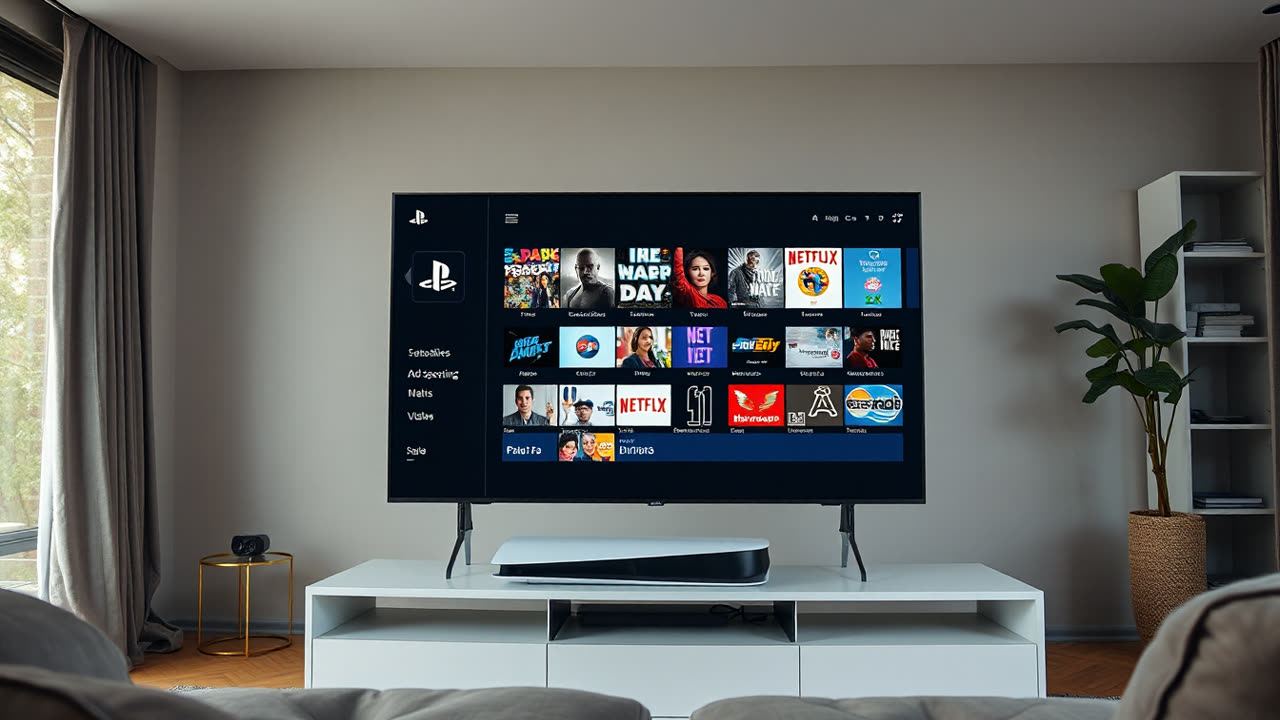
Sony's strategic pivot into the Free Ad-Supported Streaming Television (FAST) market with the introduction of free channels on the PlayStation 5, which commenced in March 2024, represents a significant evolution in the console's role beyond pure gaming. This move, spearheaded by the launch of the "PlayStation Plus Video Pass" (though not strictly a FAST service, it highlights Sony's video ambitions) and subsequently a broader array of ad-supported channels, transforms the PS5 into a comprehensive entertainment hub, directly challenging traditional streaming devices and diversifying Sony's revenue streams in a maturing console market.
The initial rollout in the U.S. brought a curated selection of channels, emphasizing variety from news and sports to lifestyle and movies, often sourced from existing FAST providers like Pluto TV or leveraging Sony's own extensive content library. The integration is seamless, appearing directly within the PS5's media tab, making it easily accessible alongside existing subscription services. This isn't merely an aggregation of existing apps; it signifies Sony's direct engagement in content curation and potentially, ad revenue sharing. By providing a no-cost, frictionless entry point to a vast library of video content, Sony directly addresses the growing consumer fatigue with multiple subscription services and the increasing demand for free, accessible entertainment. For users, it means immediate access to hundreds of hours of programming without additional cost or separate app downloads, enhancing the console's value proposition beyond its gaming prowess.
This initiative matters profoundly for several reasons. Firstly, it positions the PlayStation 5 as a central living room device, aiming for higher daily engagement even when users aren't gaming. Increased non-gaming usage translates to more opportunities for advertising impressions, which is crucial as the console market saturates and hardware sales growth slows. Secondly, it offers Sony a new, robust advertising revenue channel, critical in an era where digital advertising spending continues to climb, projected to reach over $800 billion globally by 2026. This diversification hedges against potential downturns in game sales or subscription renewals for PlayStation Plus. Thirdly, it creates a sticky ecosystem. The more services and content a user consumes on the PS5, the less likely they are to switch to a competing platform or dedicated streaming device.
Historically, gaming consoles have always had multimedia capabilities, from DVD playback on the PlayStation 2 to robust app stores on the PlayStation 4 and Xbox One. However, these were largely conduits for third-party subscription services. Sony's current approach, directly hosting and potentially curating FAST channels, represents a more assertive move into content provision. Rivals like Microsoft's Xbox have also embraced streaming apps, but none have, as of late 2026, fully integrated a first-party, free, ad-supported channel offering on the scale of PlayStation. While Xbox consoles support major FAST apps like Pluto TV and Tubi, Sony's move towards a more integrated, potentially branded PlayStation TV experience marks a distinct strategic divergence. Nintendo Switch, primarily focused on handheld gaming, offers a comparatively sparse streaming app ecosystem, further highlighting Sony's unique position in this specific entertainment niche.
Looking ahead, the expansion of PlayStation's FAST channels is inevitable. Following its U.S. debut, Sony has systematically rolled out localized versions in key European and Asian markets throughout 2025 and 2026, tailoring content to regional preferences. This global expansion will significantly amplify its advertising reach and revenue potential. We can anticipate deeper integration with the PlayStation ecosystem, potentially linking viewing habits with PlayStation Stars rewards or offering exclusive content to PlayStation Plus subscribers. The data gathered from viewing habits will also be invaluable, informing future content acquisition strategies and personalized advertising. Sony could also explore exclusive FAST channels featuring classic PlayStation content, esports events, or developer interviews, creating unique value propositions. The long-term outlook suggests that the PS5 will evolve into a multifaceted entertainment platform where gaming, subscription services, and free ad-supported content coexist harmoniously, solidifying its position as the ultimate living room entertainment hub for millions. This strategic foresight not only enhances user value but also fortifies Sony's financial resilience in an increasingly competitive digital entertainment landscape.