Sony's Secret 'PlayStation Puga' Project: A PS1 in a DualShock Controller, Canceled Over 10-Cent Royalties
Sony secretly developed a miniaturized PlayStation 1 console embedded within a DualShock controller, codenamed 'PlayStation Puga,' but canceled it due to game studios' refusal of a meager 10-cent per unit royalty.
✨ This content was summarized and interpreted by AI; it may contain errors — please verify accuracy with the original sources. Learn more
Listen to this story
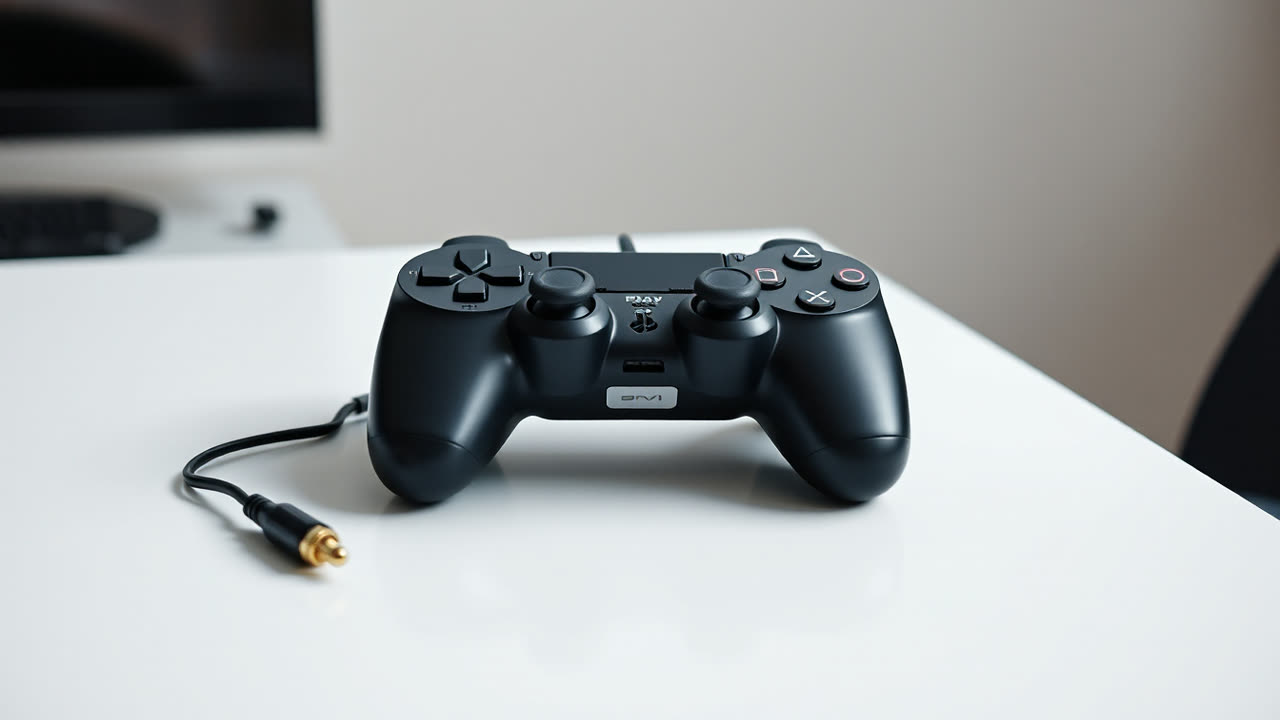
A fully functional PlayStation 1 console, miniaturized and embedded directly within a DualShock controller, was a secret Sony project codenamed "PlayStation Puga," ultimately canceled because game studios balked at receiving a mere 10 cents per unit sold in royalties. This ambitious, battery-powered plug-and-play device, intended to connect directly to a TV, aimed to circumvent strict import regulations in the Brazilian market by being manufactured locally. Veteran game developer Brian 'Biscuit' Watson recently unveiled a prototype of the Puga, revealing it was designed to run about ten classic games from a 4GB memory card and boasted an impressive 20 hours of battery life from four AA batteries.
The technical ingenuity of cramming a PS1's capabilities into a peripheral, complete with a TI-OMAP 3530 system-on-a-chip, was a testament to Sony's hardware innovation. However, the project's demise stemmed from internal and external licensing disagreements. Third-party developers like Rockstar reportedly demanded higher royalty rates, while even Sony's own licensing divisions expressed dissatisfaction with the meager 10-cent per unit payout for their titles. This internal friction, highlighted by Watson, led to the project's abandonment, though its underlying emulator technology found a second life in the Sony Xperia Play smartphone.
The Puga's cancellation underscores a persistent tension within the gaming industry between hardware innovation and the financial demands of content creators. In an era where Sony is aggressively moving towards an all-digital future, announcing the end of physical PlayStation disc production by 2028, the Puga serves as a poignant reminder of a time when the company explored tangible, accessible retro solutions. This shift away from physical media, driven by a desire for greater control over game distribution and revenue, inevitably raises concerns about game preservation and consumer ownership. While the Puga was a niche project, its fate illustrates how even groundbreaking hardware concepts can be stifled by complex royalty structures, a challenge that continues to shape the digital-first landscape of modern gaming.