Sony's Strategic Shift: Cheaper WH-1000XM4 Variant to Broaden Market Reach
Sony is reportedly preparing to launch a more affordable version of its acclaimed WH-1000XM4 noise-canceling headphones next month, a strategic move to democratize premium audio technology and intensify market competition.
✨ This content was summarized and interpreted by AI; it may contain errors — please verify accuracy with the original sources. Learn more
Listen to this story
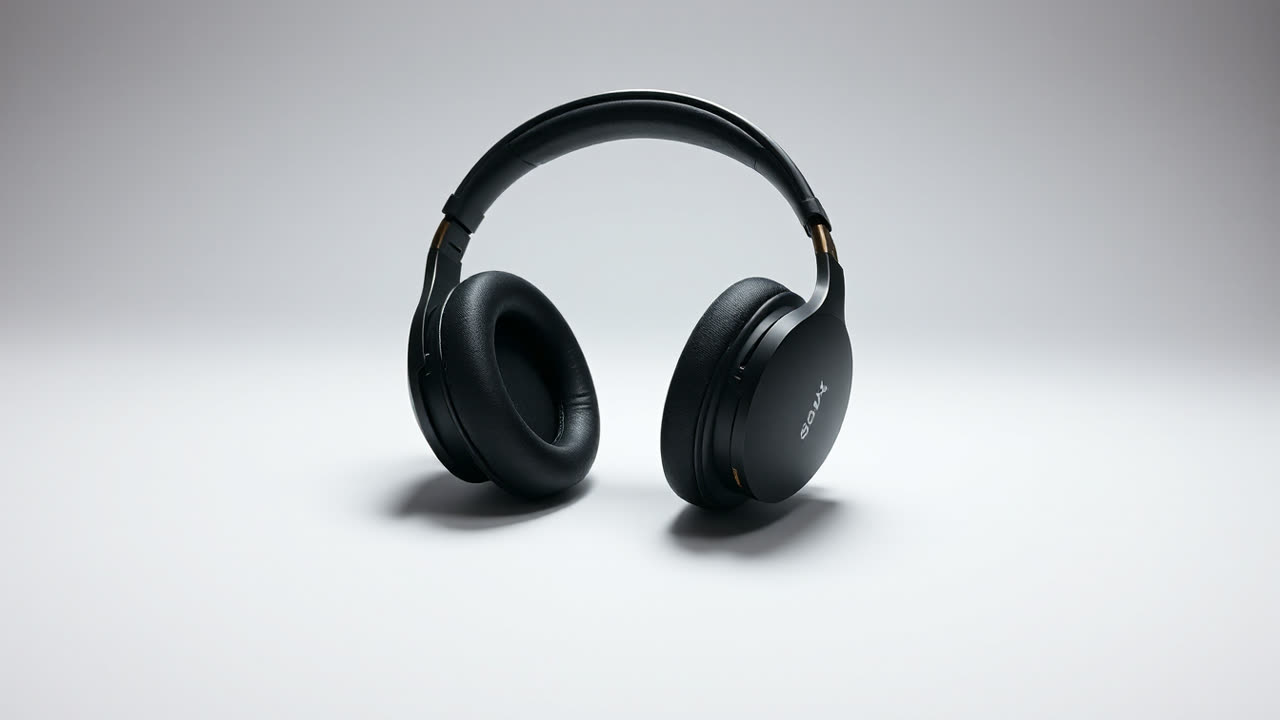
Sony's potential introduction of a more affordable iteration of its acclaimed WH-1000XM4 noise-canceling headphones, reportedly slated for next month, marks a significant strategic pivot, especially following the hypothetical May launch of the ultra-premium, $650 "The Collexion" headphones. This move suggests Sony is recalibrating its high-end audio strategy, aiming to capture a broader market segment by offering its industry-leading noise-cancellation technology at a more accessible price point, potentially named the WH-1000XM4C. While "The Collexion" remains an unconfirmed product, Sony’s existing flagship, the WH-1000XM5, currently retails for around $399, with the WH-1000XM4 still widely available for approximately $278 to $348, making the prospect of an even cheaper variant compelling.
This strategic maneuver is paramount for several reasons. For consumers, it democratizes access to what is widely considered some of the best active noise-cancellation (ANC) technology on the market. The WH-1000XM4, despite being a generation older than the XM5, still delivers exceptional sound quality and noise cancellation, making a more budget-friendly version incredibly appealing to those unwilling or unable to spend top dollar on the latest flagship. Users could benefit from premium features like multi-device connectivity, excellent battery life, and Sony's renowned DSEE Extreme audio upscaling, without the premium price tag typically associated with the 1000X series. This could also attract new users to the Sony ecosystem who might otherwise opt for lower-tier brands or less capable headphones.
For the industry, Sony's potential move intensifies competition in the lucrative mid-to-high-end noise-canceling headphone market. Rivals like Bose, with its QuietComfort Ultra Headphones priced at $429, and Apple, with the AirPods Max at $549, occupy the premium space. Sennheiser's Momentum 4 Wireless, typically around $349, offers strong competition with impressive battery life and sound quality. A cheaper WH-1000XM4 variant could significantly undercut these competitors, forcing them to re-evaluate their pricing strategies or accelerate their own mid-range offerings. This could lead to a price war benefiting consumers, or it could push competitors to innovate further in features or sound quality to justify their higher prices. Sony's willingness to potentially segment its premium line more aggressively indicates a recognition that while flagships drive prestige, volume sales are often found in more accessible tiers.
The background of Sony's 1000X line illustrates a consistent pursuit of audio excellence and market dominance. The WH-1000XM3 set a high bar, followed by the WH-1000XM4 which refined ANC, introduced multipoint Bluetooth, and improved call quality. The WH-1000XM5, released in May 2022, brought a significant design overhaul, enhanced ANC with two dedicated processors, and improved voice pickup, but at a higher launch price and with a non-folding design that some users found less convenient. The rumored "cheaper XM4" would likely retain the XM4's foldable design and core acoustic package, potentially cutting costs by omitting some of the XM5's advanced features or premium materials. This would create a clear tiered offering: the top-tier XM5 for ultimate performance and modern design, the "cheaper XM4" for premium ANC at value, and the existing XM4 as a mid-tier option until stock depletes.
Looking ahead, this strategy signals a dynamic shift in Sony's audio roadmap. If successful, it could pave the way for future "Lite" or "Core" versions of its flagship products, allowing Sony to maintain its premium brand image while addressing broader market demands for value. We might see a more aggressive refresh cycle for the budget and mid-range segments, potentially pushing the envelope on features like spatial audio or personalized sound profiles in more affordable packages. This move also suggests Sony is acutely aware of the economic pressures facing consumers and the increasing demand for high-quality technology that doesn't break the bank. The headphone market is saturated, and differentiation increasingly comes down to not just performance, but also the perceived value proposition. Sony's potential embrace of a multi-tiered premium strategy, with distinct price points and feature sets, positions it strongly to defend its market leadership against a growing array of competitors and to capture new users seeking an optimal balance of price and performance. The real test will be how Sony manages the feature set and marketing of this new variant to avoid cannibalizing sales of its current XM4 and XM5 models, while simultaneously expanding its reach.