Sony Unveils RX10 V Superzoom with AI-Powered AF
Sony's long-awaited RX10 V superzoom camera arrives with a powerful BIONZ XR processor featuring a dedicated AI unit, revolutionizing its autofocus and video capabilities.
✨ This content was summarized and interpreted by AI; it may contain errors — please verify accuracy with the original sources. Learn more
Listen to this story
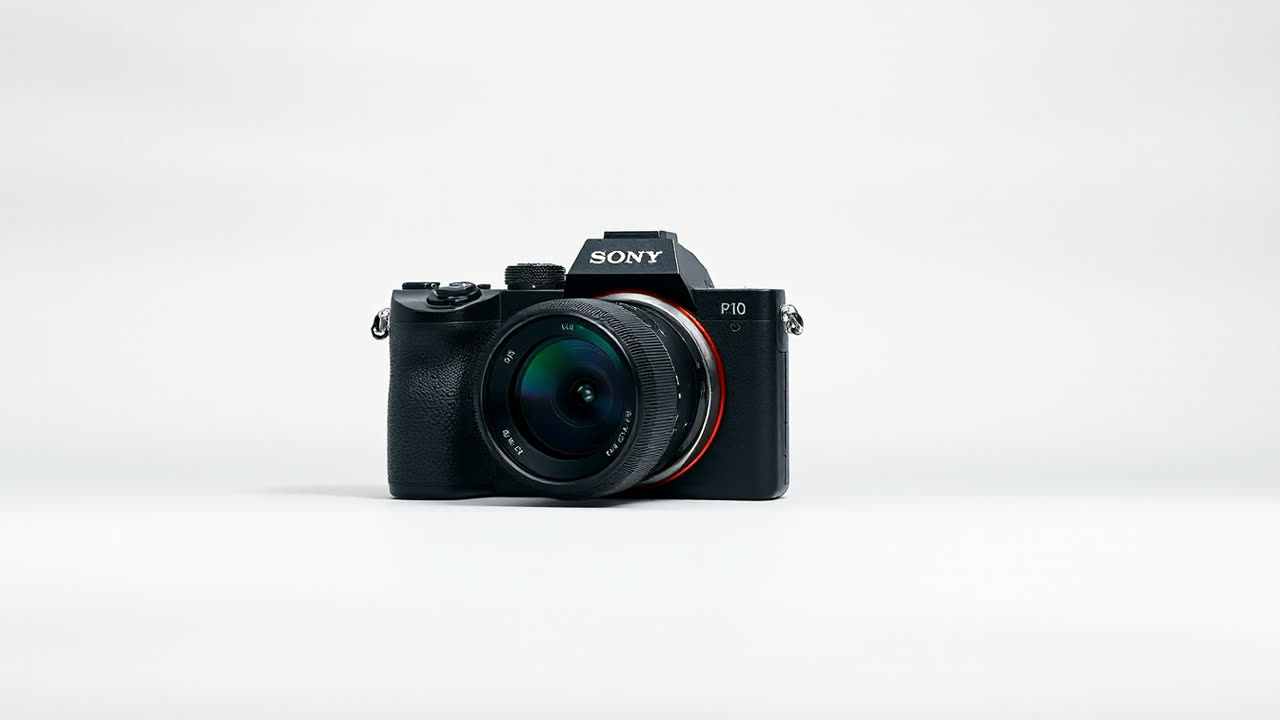
Sony has officially unveiled the long-anticipated RX10 V superzoom camera, nearly a decade after its predecessor, bringing significant computational and ergonomic upgrades to its acclaimed all-in-one platform. The most striking fact of this launch is the integration of Sony's cutting-edge BIONZ XR processor, complete with a dedicated AI processing unit. This powerful new chip drives an advanced Real-time Recognition AF system, capable of detecting humans, animals, birds, vehicles, and even insects, marking a substantial leap in intelligent autofocus. Combined with blackout-free continuous shooting at up to 30 frames per second, the RX10 V is positioned as a formidable tool for capturing fast-moving subjects across diverse scenarios.
Beyond raw speed, the RX10 V addresses long-standing user desires with vastly improved video capabilities, now offering 4K 120p recording (with a slight crop), 4:2:2 10-bit All-I internal recording, and a suite of professional video features like S-Cinetone and S-Log3. The camera retains its signature 20.1-megapixel 1-inch stacked Exmor RS CMOS sensor and the versatile ZEISS Vario-Sonnar T* 24-600mm F2.4-4.0 lens, ensuring exceptional reach and image quality. Physically, the RX10 V boasts a redesigned body echoing Sony's Alpha mirrorless series, featuring an enhanced Quad-VGA OLED electronic viewfinder and a new sub-selector joystick for intuitive control, along with a modern USB-C port and a larger NP-FZ100 battery for extended shooting.
Priced at $2,299.99, the RX10 V is a premium offering, reflecting its advanced technology and the extensive wait for an update. While some might lament the unchanged sensor resolution or the tilting-only rear screen, the camera’s comprehensive overhaul, particularly in AF and video, solidifies its position as arguably the most capable bridge camera on the market. This release signifies Sony's commitment to the superzoom category, delivering a powerful, albeit expensive, solution for photographers and videographers seeking unparalleled versatility in a single package. It suggests that even niche camera segments can benefit immensely from advanced AI integration, pushing the boundaries of what's possible in an all-in-one device.