Sony Xperia 10 VI: A Midrange Phone with Fewer Features for the Same Price
The Sony Xperia 10 VI, launched in May 2024, arrives with a curious proposition: a largely iterative update that, while maintaining a familiar price point in some regions, delivers fewer features than its predecessor, effectively constituting a significant value regression in a fiercely competitive midrange market.
✨ This content was summarized and interpreted by AI; it may contain errors — please verify accuracy with the original sources. Learn more
Listen to this story
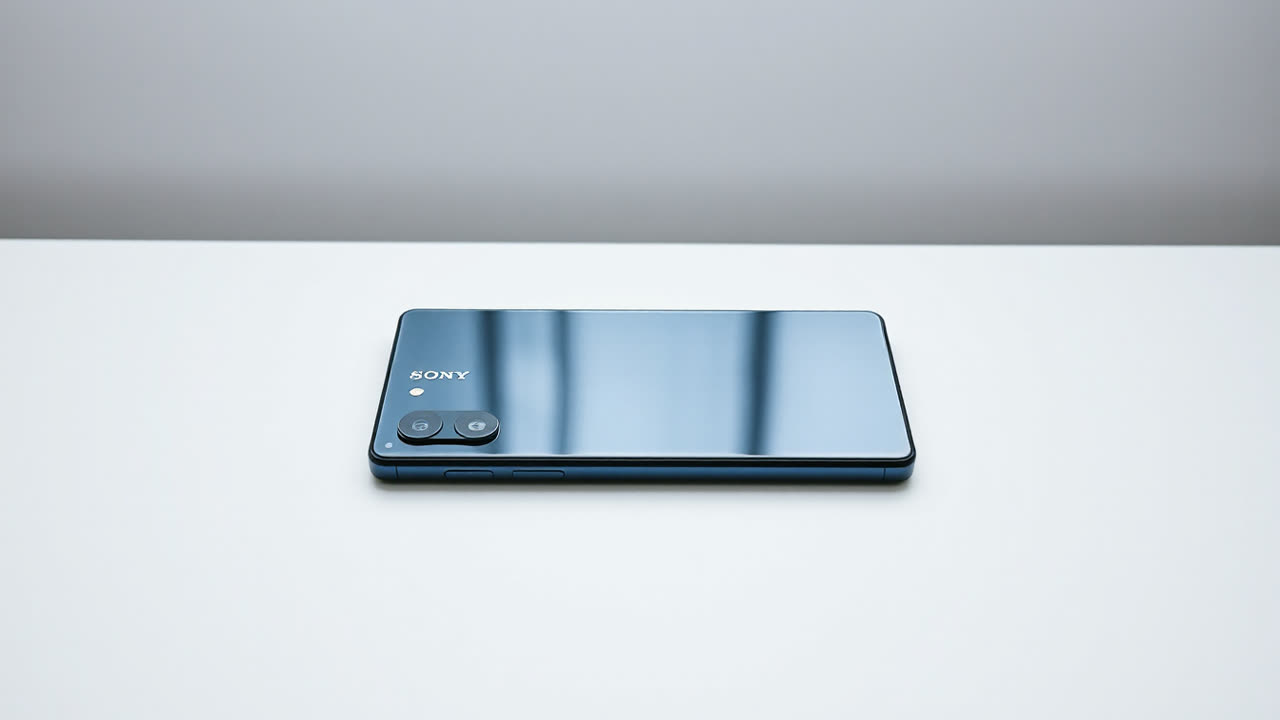
The Sony Xperia 10 VI, launched in May 2024, arrives with a curious proposition: a largely iterative update that, while maintaining a familiar price point in some regions, delivers fewer features than its predecessor, effectively constituting a significant value regression in a fiercely competitive midrange market. Priced around £349 in the UK, mirroring the Xperia 10 V's launch price, and approximately 350 EUR in Europe, the device faces scrutiny for its diminished camera array and an overall lack of compelling advancements. This strategy from Sony signals a continued adherence to a niche market, prioritizing specific brand tenets over broad consumer appeal or aggressive feature competition.
At its core, the Xperia 10 VI retains the signature 6.1-inch Full HD+ OLED display with a 21:9 aspect ratio, a hallmark of Sony's cinematic vision, protected by Gorilla Glass Victus. However, this display remains locked at a standard 60Hz refresh rate, a notable omission when many competitors in its price bracket now offer smoother 90Hz or even 120Hz panels. The most significant hardware upgrade comes in the form of Qualcomm's Snapdragon 6 Gen 1 processor, a modest improvement over the Xperia 10 V's aging Snapdragon 695 5G, paired with 8GB of RAM and 128GB of storage, expandable via microSDXC. While this new chipset offers a less stuttery experience than its predecessor, it still falls short of the performance benchmarks set by rivals like Google's Tensor G3 in the Pixel 8a. Battery life remains a strong suit, with both the 10 V and 10 VI featuring a substantial 5000mAh capacity, promising up to two days of comfortable use.
The most striking regression, however, is in the camera department. The Xperia 10 VI features a dual-camera setup, comprising a 48MP main sensor and an 8MP ultrawide lens, effectively removing the telephoto lens that was present on the triple-camera Xperia 10 V. While Sony claims the main 48MP sensor can achieve 2x optical quality zoom, the physical removal of a dedicated telephoto module represents a tangible downgrade in versatility for users. This decision aligns with a broader industry trend of a slight decline in the average number of cameras per smartphone, which fell to 3.7 units in 2024 from 3.8 units in 2023. Nonetheless, for a device positioned in the midrange, sacrificing a dedicated zoom lens at a stable-to-higher effective price point is a curious choice.
This strategy has profound implications for both users and the industry. For consumers, the Xperia 10 VI offers a phone that, despite its compact design and excellent battery life, feels increasingly out of step with market expectations for its cost. Features like a high refresh rate display, faster charging (still at 30W), and a more versatile camera system are now standard offerings from competitors. The Google Pixel 8a, for instance, available for around $499 or £349 after discounts, boasts a more powerful Tensor G3 chip, superior AI capabilities, and an industry-leading seven years of software updates, dwarfing Sony's commitment of three OS upgrades and four years of security updates. Even the Nothing Phone (2a) offers better performance at a lower price. This makes the Xperia 10 VI a difficult recommendation for value-conscious buyers outside of a dedicated Sony enthusiast base.
For Sony, this launch underscores its enigmatic position in the smartphone market. Despite having a tiny global market share and often being relegated to the "others" category in sales reports, Sony's CFO insists the Xperia business is "very important". The company appears to leverage Xperia as a strategic R&D lab, a testing ground for technologies that feed into its broader professional creator ecosystem, particularly in camera sensors and audio. Sony explicitly targets content creators, marketing Xperia as a "pro camera in a smartphone" that integrates with their Creators' Cloud platform. This niche focus explains the retention of features like the 3.5mm headphone jack and IP65/68 dust and water resistance, which appeal to a specific segment of users. However, this strategy struggles to translate into mainstream success, even in its home market of Japan where it faces stiff competition from local brands and Google's Pixel phones.
Looking ahead, Sony's trajectory in the midrange segment remains uncertain. The company seems caught in a paradox: attempting to broaden appeal with some design tweaks (like the Xperia 1 VI's shift to a more standard screen ratio) while simultaneously maintaining premium pricing and a niche marketing approach. The Xperia 10 VI, by offering fewer features for a similar price, risks further alienating potential customers who demand more tangible upgrades year-over-year. Unless Sony can either significantly enhance the value proposition of its midrange devices—perhaps by integrating more of its acclaimed imaging and audio technologies in a compelling and accessible way—or substantially adjust its pricing to reflect the competitive landscape, the Xperia 10 series will likely remain a choice for a loyal few, rather than a significant player in the broader smartphone arena. The next iteration will need to deliver more than incremental processor bumps to justify its existence and price in a market that rewards innovation and aggressive value.