SpaceX Vaporizes 260 Starlink Satellites, Sparks Environmental Alarm
SpaceX's intentional vaporization of 260 Starlink satellites in six months has intensified environmental concerns over atmospheric pollution and regulatory oversight, as hundreds more are slated for disposal.
✨ This content was summarized and interpreted by AI; it may contain errors — please verify accuracy with the original sources. Learn more
Listen to this story
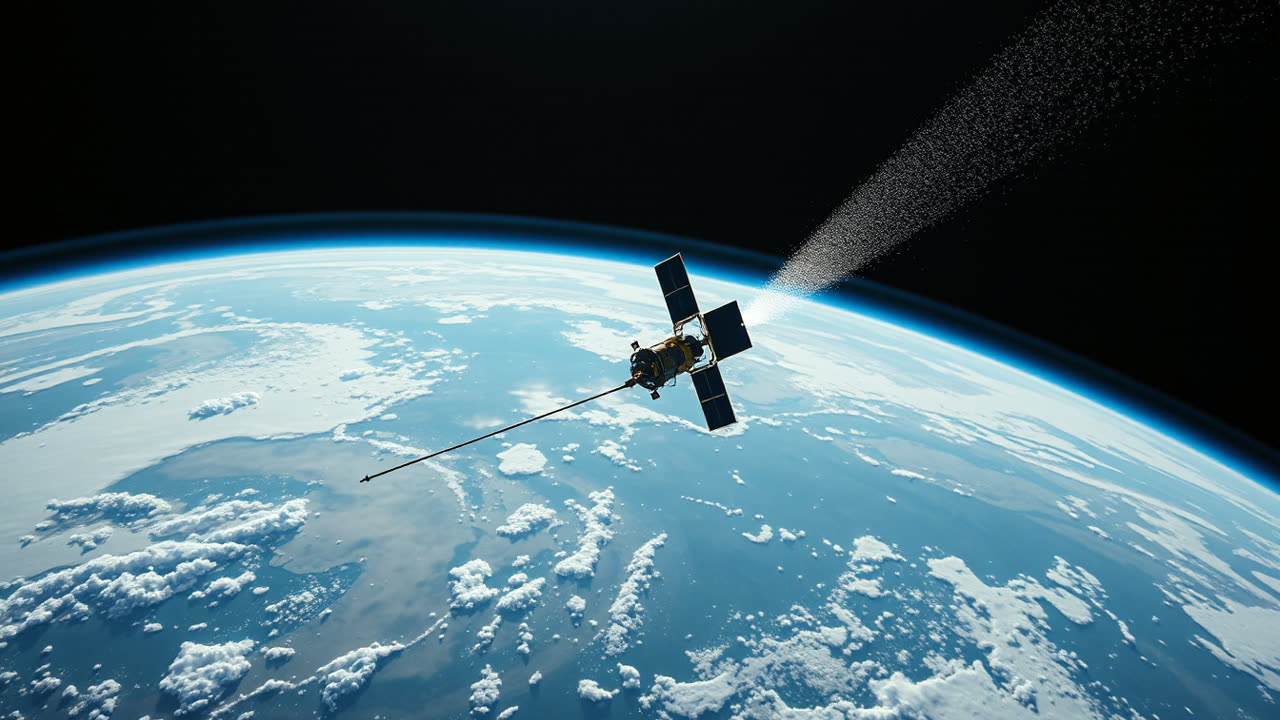
SpaceX has intentionally vaporized 260 Starlink satellites in Earth's atmosphere over the past six months, from December 2025 to May 2026, intensifying environmental concerns about the atmospheric impact of burning hundreds of massive orbital data centers. This significant retirement of spacecraft, detailed in a recent report to the Federal Communications Commission (FCC), is part of a routine generational replacement cycle for the rapidly expanding Starlink constellation, with hundreds more expected to follow.
While SpaceX asserts a disposal reliability rate exceeding 99% and claims complete incineration, preventing orbital debris, scientists are increasingly alarmed by the byproducts. Each first-generation Starlink satellite, weighing around 573 pounds (260 kg), and particularly the newer, much heavier Version 2 satellites, which can tip the scales at up to 2,750 pounds (1,250 kg), convert their aluminum chassis into microscopic aluminum oxide (alumina) particles upon re-entry. Researchers warn that the continuous influx of these nanoparticles into the stratosphere could alter Earth's albedo, potentially affecting global solar radiation absorption and inducing localized depletion of the ozone layer. Studies have already indicated an eight-fold increase in atmospheric aluminum oxide levels between 2016 and 2022.
Compounding these worries, the FCC is actively proposing to exempt space-based operations, including satellite mega-constellations like Starlink, from environmental reviews under the National Environmental Protection Act (NEPA). This move, driven by a desire to accelerate the U.S. space industry, overlooks urgent calls from researchers for comprehensive studies and regulations on the long-term atmospheric effects. The tension between rapid technological advancement for global connectivity and the precautionary principle for Earth's delicate atmosphere is reaching a critical juncture, demanding immediate and rigorous interdisciplinary assessment before irreversible environmental consequences manifest.