Spotify's Controversial Video Default: A Multimedia Pivot Alienating Audio Purists
Spotify's recent decision to make video playback a default experience for many songs and podcasts marks a significant and often unwelcome departure from its audio-first identity, impacting user data, battery life, and overall listening experience.
✨ This content was summarized and interpreted by AI; it may contain errors — please verify accuracy with the original sources. Learn more
Listen to this story
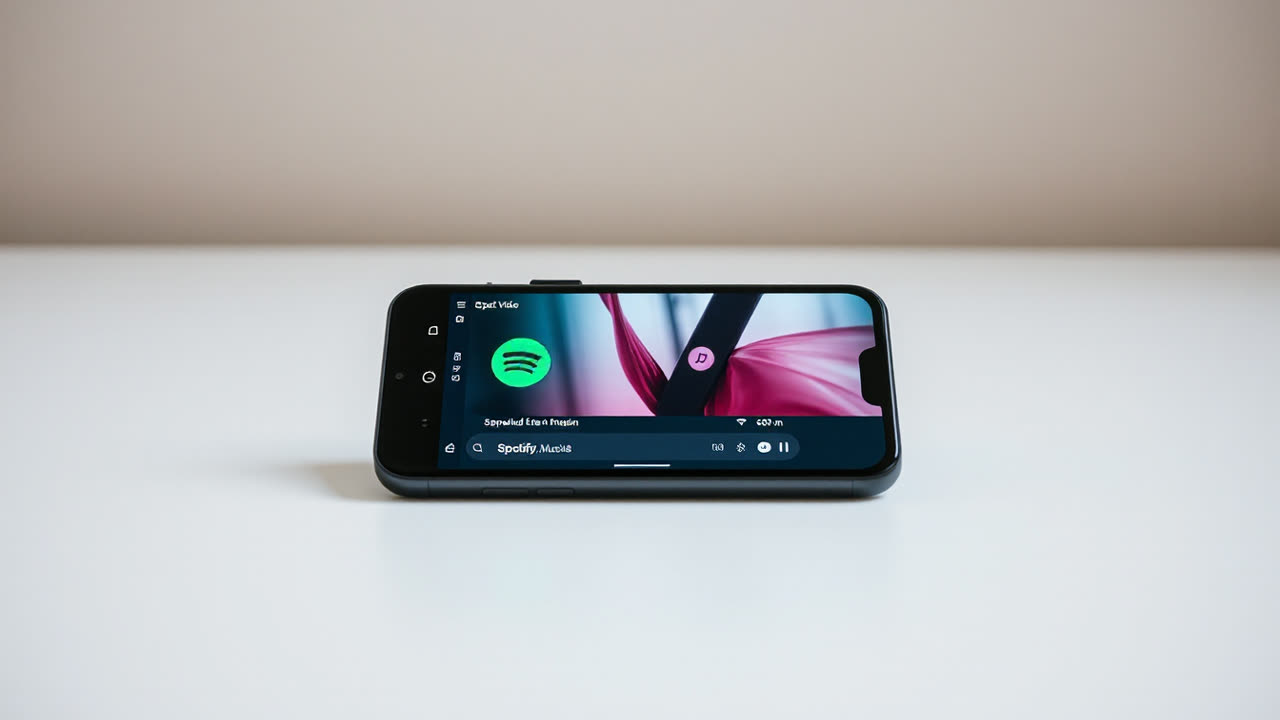
Spotify's recent shift to making video playback a default experience for many songs and podcasts marks a significant, and for many users, unwelcome, departure from its audio-first ethos, introducing automatic visual components that impact data consumption, battery life, and overall user experience. This update, which seems to have gained broader prominence in late 2023 and early 2024, forces users to actively seek out settings to revert to a purely auditory stream, a decision that underscores Spotify's strategic pivot towards a more visually integrated, and potentially ad-revenue-rich, multimedia platform. While the company has long offered "Canvas" – short, looping visualizers – this latest iteration extends to full music videos and video podcasts, transforming what was once an optional enhancement into an often-unwanted default, particularly for those who primarily use the service for background listening or in data-sensitive environments.
The immediate impact on users is tangible and often frustrating. Automatic video playback, even in the background or with the screen off on some devices, demonstrably increases mobile data usage and accelerates battery drain. A single hour of high-quality video streaming can consume hundreds of megabytes, a stark contrast to audio-only playback, which uses significantly less data. For users on limited data plans or those frequently away from Wi-Fi, this change translates directly into higher costs or compromised device longevity throughout the day. Furthermore, the sudden visual interruptions can disrupt the seamless listening experience Spotify built its reputation on, pulling attention to the screen when the user's intent was purely auditory engagement. The necessity to navigate menus to disable these features, often buried within individual podcast settings or playback preferences, adds an extra layer of friction, demonstrating a design choice that prioritizes Spotify's evolving content strategy over established user habits.
This move is not merely a feature addition; it represents a calculated industry play by Spotify. The company is actively vying for a larger share of user engagement in a fragmented digital landscape, increasingly dominated by short-form video content platforms like TikTok and YouTube. By pushing video, Spotify aims to broaden its appeal beyond traditional audio consumers, attracting creators who produce visual content and potentially opening new avenues for advertising revenue through video ads. This strategy mirrors a broader industry trend where platforms blur the lines between different media types to maximize screen time and data capture. However, it also risks alienating its core user base, many of whom chose Spotify precisely for its focus on music and podcasts without visual distractions. The current implementation, making video a default rather than an opt-in, suggests an aggressive push rather than a cautious integration, forcing users to adapt to Spotify's new vision.
Historically, Spotify's visual components were subtle. "Canvas" visuals, introduced years ago, were short, silent loops designed to complement the audio without demanding active attention or significant resources. This allowed artists to add a visual flair without fundamentally altering the listening experience. The current shift, however, integrates full-length music videos and video podcasts, placing Spotify in more direct competition with platforms like YouTube Music, which has always prioritized the seamless integration of music videos with audio streaming. While YouTube Music offers a robust library of official music videos, it typically allows users to easily switch between audio-only and video playback, often remembering preferences. Apple Music also offers music videos, but their playback is generally more controlled by the user, not defaulted. Spotify's approach feels less like offering a choice and more like imposing a new standard, potentially blurring its brand identity as the premier audio streaming service.
Looking ahead, Spotify's commitment to this multimedia strategy suggests further integration of visual elements across its platform. We can anticipate more robust tools for creators to upload and manage video content, alongside more sophisticated video advertising formats. The challenge for Spotify will be to strike a delicate balance: continuing to innovate in the visual space without alienating its vast audio-centric subscriber base. User backlash regarding data consumption and battery life could force Spotify to refine its default settings, perhaps introducing a more prominent, system-wide toggle for video playback or offering more transparent data usage warnings. The success of this pivot hinges on whether the increased engagement from video content outweighs the potential churn from disgruntled audio purists. Ultimately, Spotify's future may lie in truly personalized experiences, where visual defaults are tailored to individual user behavior rather than a blanket imposition, allowing the platform to evolve without sacrificing its foundational appeal.
FACTS: How to Disable Music Videos in Spotify — A recent update made video playback the default for songs and podcasts with a visual component. If you just want to listen to music—and save your data and battery—follow these tips. (kaynak: Wired Gear, https://www.wired.com/story/how-to-disable-all-the-music-videos-in-spotify/)