TCL Unveils P80 Series: First Smartphones with NXTPAPER OLED Hybrid Displays
TCL's new P80 Ultra and P80 Pro smartphones introduce a groundbreaking display technology, merging vibrant OLED visuals with eye-friendly, paper-like NXTPAPER for an unparalleled viewing experience.
✨ This content was summarized and interpreted by AI; it may contain errors — please verify accuracy with the original sources. Learn more
Listen to this story
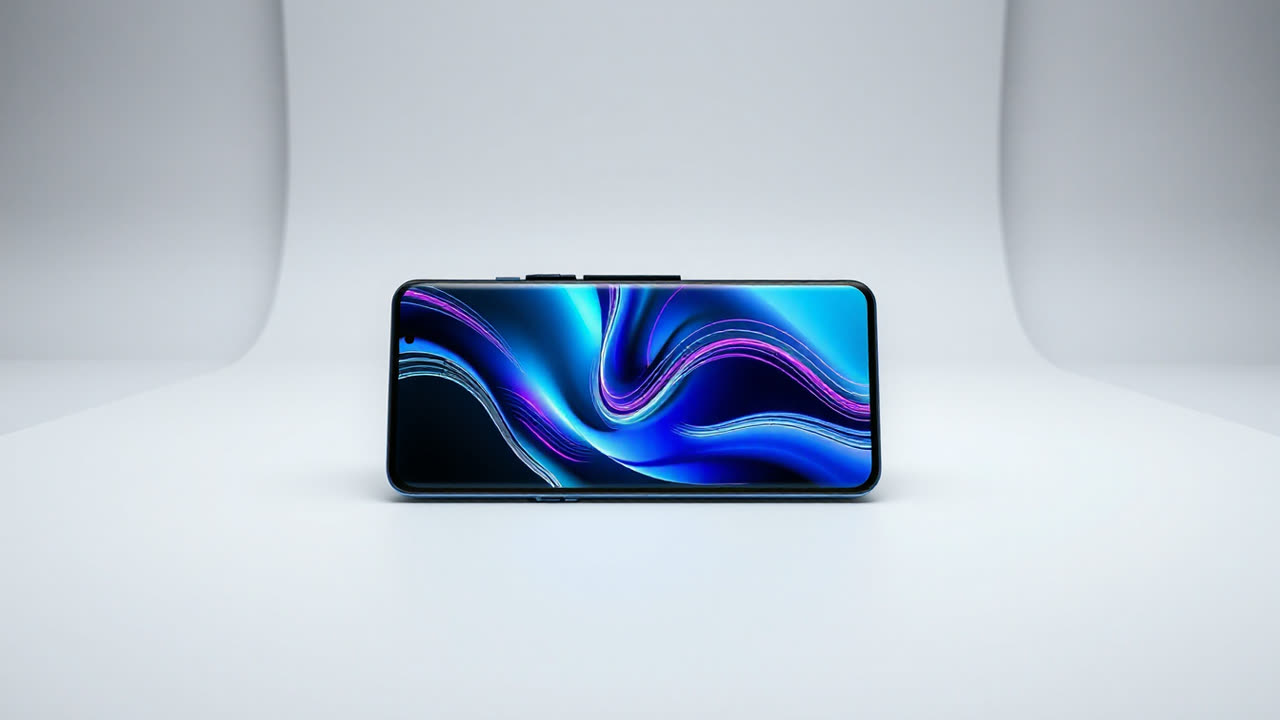
TCL has unveiled the P80 series of smartphones, including the P80 Ultra and P80 Pro, which represent a significant leap in display technology by integrating NXTPAPER with OLED panels for the first time in a smartphone. This new hybrid display, showcased at IFA 2026, aims to deliver the vibrant colors and deep contrasts characteristic of OLED while providing the eye-comfort and paper-like viewing experience of TCL's acclaimed NXTPAPER technology. The P80 Ultra features a 6.83-inch OLED NXTPAPER display with a 1.5K resolution, a 120Hz refresh rate, and an impressive peak brightness of 3,200 nits.
The core innovation lies in TCL's ability to combine the best of both display worlds. Previous NXTPAPER iterations, such as those found in the NXTPAPER 14 Pro tablet (released January 2024) and the TCL 40 NXTPAPER smartphone (launched in Europe in 2023), relied on LCD technology to achieve their paper-like effect. These LCD-based NXTPAPER displays, including the NXTPAPER 3.0 and 4.0 generations, reduced harmful blue light by up to 61% and incorporated Circularly Polarized Light (CPL) screens to mimic natural light, enhancing eye comfort. They also offered multiple viewing modes, including a full-color, a muted "Color Paper Mode" for comics, and a monochrome "Ink Paper Mode" that replicated an e-reader. However, LCD-based NXTPAPER displays often faced limitations in brightness, outdoor visibility, and color vibrancy when compared to traditional OLEDs. The new NXTPAPER OLED screens directly address these shortcomings, promising superior visual performance without sacrificing eye-care benefits.
This fusion technology matters immensely for users and the industry. For consumers, it offers unprecedented versatility in a single device. A user can enjoy the rich, saturated colors and deep blacks of an OLED for multimedia consumption, gaming, or general smartphone use, then, with the press of a dedicated NXTPAPER button, instantly switch to a low-power, monochromatic mode for extended reading. TCL claims this "Max Ink Mode" can extend battery life for reading up to seven days. This dual functionality directly challenges the need for separate e-readers, which, while excellent for text, are limited in color, refresh rate, and versatility. E Ink screens, for instance, are bistable and only draw power when the image changes, making them highly power-efficient for static content, but suffer from slow refresh rates and limited color depth, even with advancements like Kaleido 3 and Gallery 3. TCL's approach offers a "smart compromise" for those who want both the speed and color of traditional screens and the eye comfort of e-readers. Dr. Jennifer Tsai, an optometrist, has lauded NXTPAPER for its ability to optimize display settings like brightness and color temperature, reducing blue light exposure and minimizing glare to make screen time more comfortable.
Industrially, TCL's move to NXTPAPER OLED sets a new benchmark for display innovation, particularly in a market increasingly focused on user health and hybrid device experiences. While other manufacturers like Samsung, Google, and Apple continue to refine their OLED offerings, TCL is differentiating itself by directly tackling eye strain and the digital-physical divide. The P80 Ultra's display, for example, utilizes 3840Hz PWM dimming, a significant increase over the PWM rates used by many flagship OLED phones, which can reduce perceived flicker and discomfort for sensitive users. This positions TCL not just as a hardware provider, but as a leader in "humanizing technology" with a focus on visual health. The shift to OLED also allows TCL to offer a peak brightness of 3,200 nits and 100% DCI-P3 color gamut coverage, surpassing the 900 nits of its previous NXTPAPER 70 Pro and making the display far more competitive with high-end smartphones.
Looking ahead, the success of the P80 series could accelerate the adoption of hybrid display technologies across the smartphone and tablet landscape. As screen time continues to increase, the demand for eye-friendly solutions will only grow. TCL's commitment to integrating NXTPAPER into a broader range of products, including its 50 Series smartphones like the TCL 50 XL NXTPAPER 5G and TCL 50 XE NXTPAPER 5G for the U.S. market, indicates a strategic long-term vision. Future iterations may further refine the tactile, paper-like feel, potentially incorporating haptic feedback to enhance the e-reader experience. While foldable phones from Samsung, Huawei, and potentially Apple are creating new premium tiers by blurring the lines between phones and tablets, TCL's NXTPAPER OLED offers an alternative form of versatility focused on display comfort rather than physical transformation. This could carve out a significant niche for TCL, particularly among students, professionals, and avid readers who spend prolonged periods interacting with screens. The ongoing evolution of NXTPAPER, with its focus on advanced blue light purification and adaptive color temperature, suggests a future where digital displays are not just powerful, but inherently healthier for prolonged interaction.