Tesla FSD Causes Speeding Ticket, Removes User Speed Offset
A Tesla operating in Full Self-Driving (FSD) Standard mode recently propelled its driver to 78 km/h in a clearly marked 50 km/h zone, resulting in a speeding ticket and highlighting Tesla's apparent removal of a crucial speed offset feature.
✨ This content was summarized and interpreted by AI; it may contain errors — please verify accuracy with the original sources. Learn more
Listen to this story
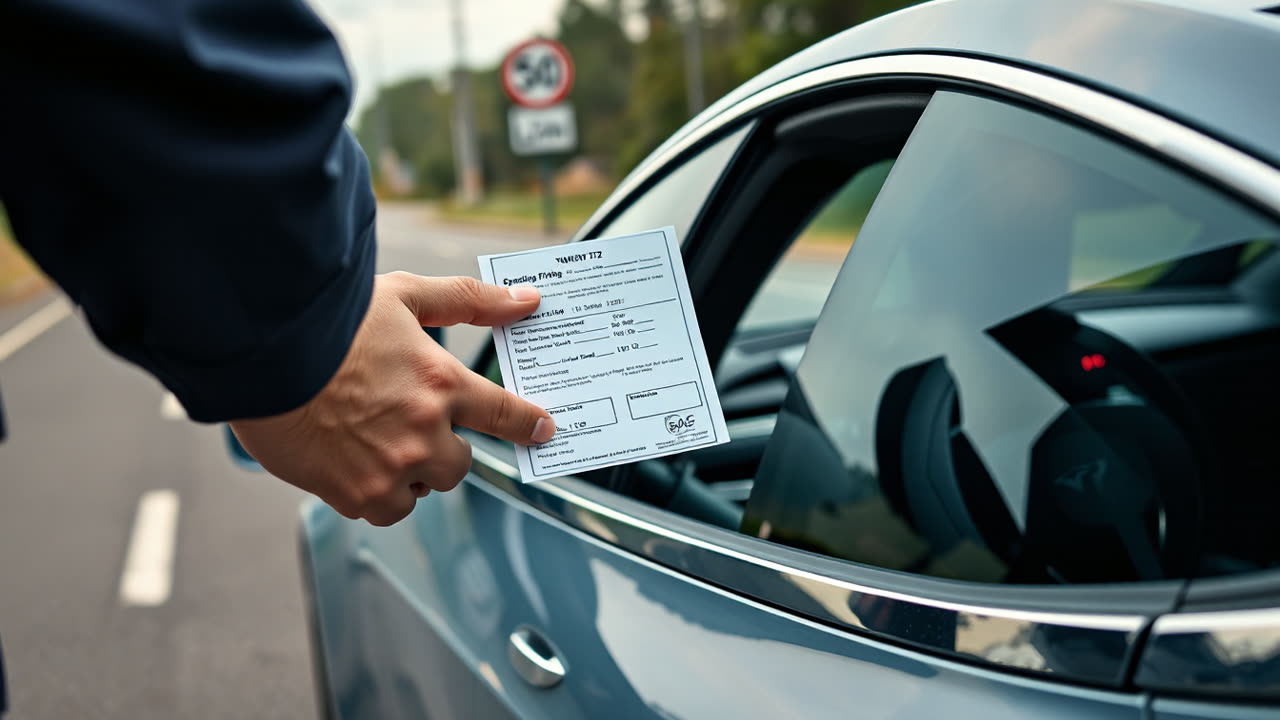
A Tesla operating in Full Self-Driving (FSD) Standard mode recently propelled its driver to 78 km/h in a clearly marked 50 km/h zone, resulting in a speeding ticket from a radar-equipped police officer, an incident that underscores the persistent ambiguities and inherent risks in current advanced driver-assistance systems. This specific event, detailed by Electrek on July 20, 2026, also highlights a troubling development: Tesla's apparent removal of a user-configurable speed offset feature that previously allowed drivers to set FSD to consistently drive below the posted speed limit, effectively "killing the fix" for those seeking a more conservative driving profile.
The implications of such an incident are far-reaching, particularly concerning liability and public trust in autonomous vehicle (AV) technology. While Tesla's FSD remains a Level 2 advanced driver-assistance system (ADAS), requiring constant driver supervision and readiness to intervene, the system's active role in exceeding the speed limit blurs the lines of responsibility. Drivers, accustomed to the system handling routine tasks, may develop an over-reliance, making the transition back to full manual control in unexpected situations slower or less decisive. This cognitive dissonance between the system's capabilities and the driver's legal responsibility creates a dangerous grey area, potentially impacting insurance claims, legal precedents for accidents, and the public's perception of AV safety. Incidents like these fuel skepticism, making it harder for truly autonomous Level 4 and 5 systems to gain widespread acceptance and regulatory approval, thereby slowing the overall progress of the autonomous driving industry.
Tesla's FSD system, currently available as a one-time purchase for $12,000 or a monthly subscription, has undergone numerous iterations since its initial release, promising a future of fully autonomous driving. However, it remains firmly in a "Beta" testing phase, a crucial disclaimer that Tesla uses to manage expectations and legally assign responsibility to the human driver. Unlike geofenced Level 4 robotaxis operated by rivals like Waymo and Cruise, which take full responsibility within defined operational domains and are designed to operate without human intervention, Tesla's FSD is intended for widespread use on public roads but with the human still in the loop. Early versions of FSD often exhibited more aggressive driving behaviors, and while subsequent updates have aimed to refine its decision-making, the core challenge of operating safely and predictably across diverse and dynamic road conditions persists. The removal of a user-settable speed offset, which allowed drivers to explicitly tell the system to drive below the limit, represents a step backward in user control and safety customization, contrasting with the granular control often found in other premium ADAS systems that offer clearer speed management options.
Looking ahead, this incident will undoubtedly intensify regulatory scrutiny on Tesla and the broader autonomous driving sector. Regulators, including the National Highway Traffic Safety Administration (NHTSA) in the United States, have already been investigating Tesla's FSD system for various incidents, including crashes and "phantom braking" events. Such a high-profile speeding ticket directly attributable to FSD's automated control could prompt calls for stricter performance standards, mandatory speed adherence protocols, and clearer labeling requirements that emphasize the "driver-assist" nature of the technology. Tesla may face pressure to reintroduce or enhance user controls for speed management within FSD, or even implement more conservative default speed settings to mitigate legal and safety risks. Furthermore, the incident underscores the critical need for a robust legal framework that clearly defines liability in a world where machines increasingly share control with humans. Without clear lines of accountability, the promise of autonomous vehicles, while still transformative, risks being mired in a quagmire of legal battles and public distrust, ultimately hindering the pace of innovation and adoption.