Tesla Megapacks Power Ørsted's Massive Texas Grid Battery Project
Ørsted's new 250 MW/500 MWh Old 300 battery energy storage system, powered by Tesla Megapacks, is now operational in Fort Bend County, Texas, significantly enhancing grid reliability and renewable energy integration within the ERCOT market.
✨ This content was summarized and interpreted by AI; it may contain errors — please verify accuracy with the original sources. Learn more
Listen to this story
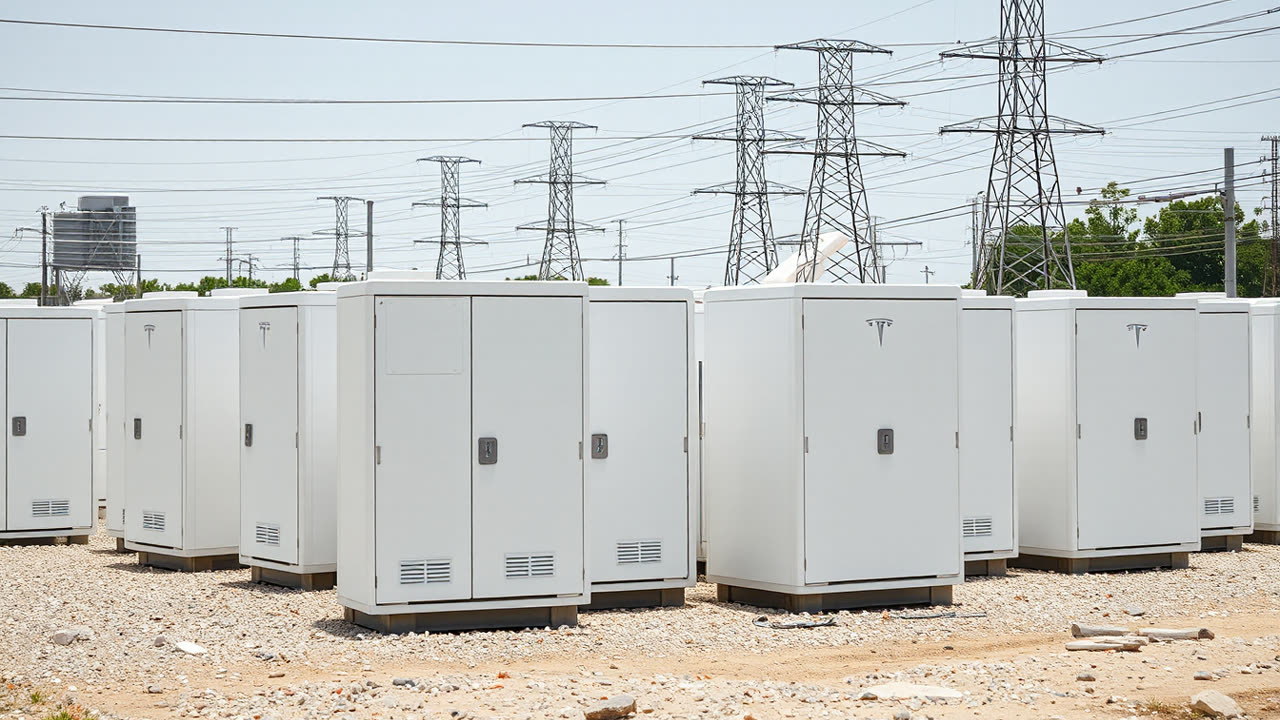
Tesla Megapacks are now providing critical support to the Texas grid, underpinning Ørsted’s newly operational 250 MW/500 MWh Old 300 battery energy storage system (BESS) project, a significant deployment designed to enhance grid reliability and integrate renewable energy within the notoriously volatile ERCOT market. The project, located in Fort Bend County, Texas, represents one of the largest standalone battery storage facilities in the state, capable of supplying power equivalent to approximately 250,000 homes for two hours, and marks a substantial expansion of utility-scale energy storage in the United States.
This monumental deployment signifies a pivotal moment for both the energy industry and Texas consumers. For the Electric Reliability Council of Texas (ERCOT), which manages approximately 90% of the state’s electric load, the Old 300 project offers a crucial buffer against the extreme weather events and demand spikes that have historically plagued the grid, most notably during Winter Storm Uri in 2021. The 500 MWh capacity provides dynamic ancillary services, including frequency regulation and reserves, which are vital for maintaining grid stability and preventing cascading failures. By quickly injecting or absorbing power, the Megapacks can smooth out the intermittency of renewable sources like solar and wind, allowing for greater renewable penetration without compromising reliability. This directly translates to more reliable power for Texans and a reduced reliance on fossil fuel peaker plants, which traditionally come online during periods of high demand, often at significant environmental and financial cost.
For Ørsted, a global leader in renewable energy, the Old 300 project underscores a strategic pivot towards comprehensive energy solutions that integrate generation with storage. This move allows Ørsted to optimize its vast portfolio of wind and solar assets in Texas, capturing excess renewable energy during periods of low demand and discharging it when prices are high or the grid needs support. This not only enhances revenue streams but also positions the company as a more resilient and flexible energy provider in a competitive market. The choice of Tesla Megapacks is particularly telling. Tesla's vertically integrated approach, offering not just the battery hardware but also advanced software like Autobidder for optimization and grid services, provides a streamlined solution that simplifies deployment and maximizes operational efficiency. This end-to-end ecosystem minimizes integration complexities, a significant advantage in large-scale projects where multiple vendors can introduce delays and technical hurdles.
The Tesla Megapack itself represents a formidable contender in the utility-scale BESS market. Each Megapack unit is a self-contained battery and power conversion system, designed for rapid deployment and scalability, with individual units offering capacities up to 3.9 MWh. This modularity allows projects like Old 300 to be scaled precisely to grid requirements. Compared to earlier generations of grid batteries, which often involved custom-built enclosures and complex integration of components from various suppliers, the Megapack's standardized, factory-assembled design significantly reduces installation time and costs. While competitors like Fluence, LG Energy Solution, and Samsung SDI also offer robust BESS solutions, Tesla's manufacturing scale, brand recognition, and software prowess give it a distinct edge in securing major projects, particularly in markets like the U.S. where rapid deployment and proven technology are paramount. The Megapack's liquid thermal management system also helps maintain optimal operating temperatures, extending battery life and enhancing performance in Texas's often extreme climate.
Looking ahead, the successful commissioning of projects like Old 300 signals a robust future for grid-scale battery storage, especially in energy markets grappling with high renewable penetration and aging infrastructure. ERCOT alone is projected to add significant battery storage capacity in the coming years, driven by both market forces and the imperative for resilience. We can anticipate a continued surge in hybrid projects, where solar and wind farms are co-located with battery storage, making renewable energy dispatchable and more valuable. Furthermore, the industry will likely see ongoing innovation in battery chemistry, with increasing research into longer-duration storage solutions beyond the current two-to-four-hour standard, potentially involving technologies like flow batteries or solid-state batteries for multi-day storage. Tesla, with its established supply chain and manufacturing capabilities, is well-positioned to remain a dominant force in this expanding market, but competition will intensify as other global players refine their offerings and as governments worldwide implement policies incentivizing energy storage. The Old 300 project is not merely an addition to the grid; it is a blueprint for the future of energy, demonstrating how intelligent integration of renewables and storage can create a more resilient, efficient, and sustainable power system.