Tesla Model Y L Faces Widespread Suspension Collapse Reports in China
Chinese owners of Tesla's new three-row Model Y L are reporting significant front suspension collapse issues, leading to a viral 'fingers test' as a diagnostic tool.
✨ This content was summarized and interpreted by AI; it may contain errors — please verify accuracy with the original sources. Learn more
Listen to this story
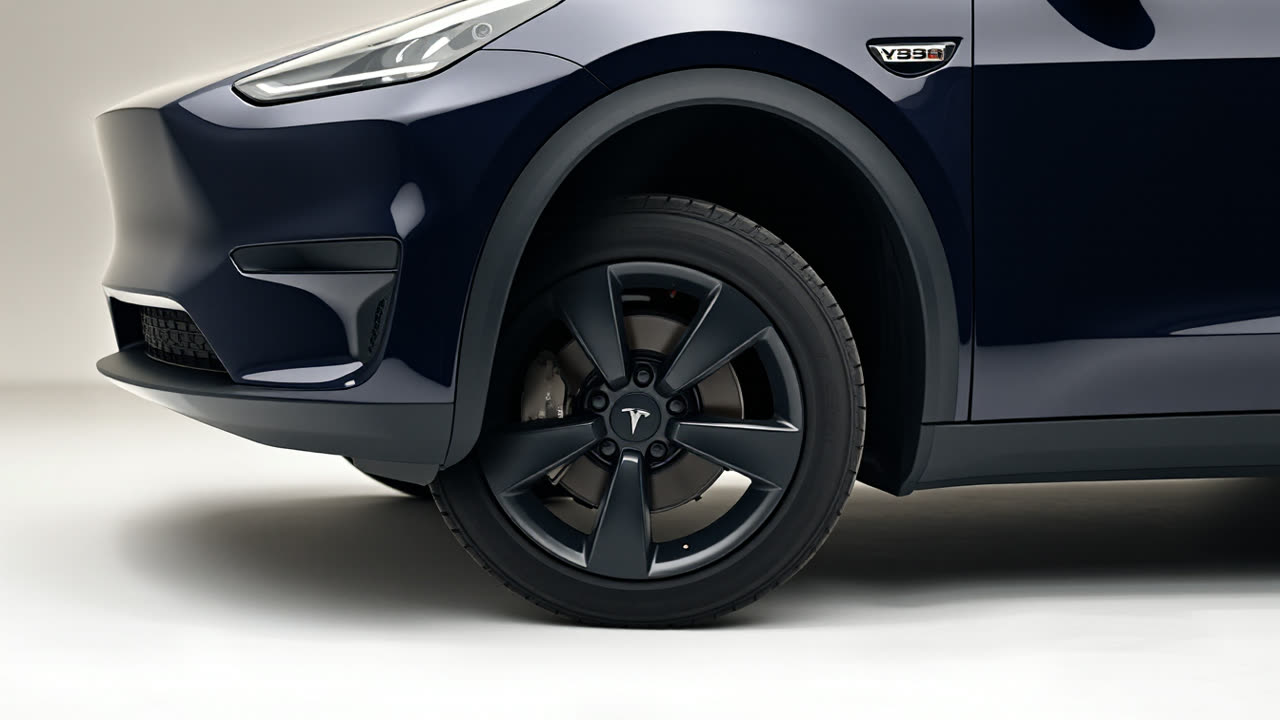
Several Chinese owners of Tesla’s recently launched Model Y L, the larger three-row variant of the popular electric SUV, are reporting significant suspension collapse issues, prompting a grassroots "fingers test" to emerge on social media as a diagnostic tool for concerned consumers. This alarming development, surfacing just weeks after the Model Y L began deliveries, threatens to undermine Tesla's brand integrity and sales momentum in its crucial Chinese market, a region already characterized by intense competition and discerning buyers.
The core issue centers on the front suspension, with multiple owners documenting instances where the vehicle’s ride height appears compromised, allowing an abnormal gap – or lack thereof – between the tire and the fender. The "fingers test," a simple yet effective method propagated online, involves attempting to insert fingers into this gap; a vehicle failing this test, by allowing fewer than the expected number of fingers, is suspected of having the defect. This owner-developed diagnostic highlights both the perceived severity and prevalence of the problem, as well as a potential gap in official communication or resolution mechanisms from Tesla. Initial reports suggest the problem may stem from faulty or improperly installed suspension components, possibly related to the springs or dampers, leading to an immediate sag or premature wear that compromises vehicle stability and safety.
This suspension predicament carries substantial implications, particularly for Tesla's reputation and market share in China. For users, the immediate concern is safety; a compromised suspension system can severely impact handling, braking, and overall vehicle control, especially at higher speeds or on uneven terrain. Beyond the direct safety risks, owners face potential devaluation of their new vehicles, increased maintenance costs, and significant inconvenience, eroding the premium experience expected from a Tesla. The "fingers test" is a powerful symbol of consumer distrust and collective action, reminiscent of past automotive quality control controversies, and could severely damage the brand's perceived reliability in a market where quality is paramount.
From an industry perspective, the Model Y L suspension issues could provide a significant opening for Tesla’s burgeoning Chinese rivals. Brands like BYD, Nio, Xpeng, and Li Auto have been aggressively expanding their portfolios, often emphasizing build quality, advanced features, and tailored local services. A perceived slip in quality from Tesla, especially on a newly launched variant, could sway potential buyers towards these domestic alternatives, which are already gaining traction. Tesla has historically leveraged its cutting-edge technology and strong brand appeal to command a premium, but persistent quality control issues, particularly those impacting fundamental vehicle safety and integrity, directly challenge this value proposition. This is not Tesla’s first encounter with quality concerns in China; previous reports have touched upon fit-and-finish issues or software glitches, but a suspension defect is a more fundamental mechanical failure that can have far more serious consequences and erode trust more deeply.
Comparing the Model Y L to its standard Model Y counterpart or previous generations, it's critical to determine if this is an isolated manufacturing batch issue specific to the new three-row configuration, or if it indicates a broader systemic problem within Tesla's Shanghai Gigafactory production lines. The Model Y, in its standard configuration, has generally been well-received globally, though some early production models in various markets did face scrutiny over panel gaps and minor quality control aspects. The "L" variant, designed to offer increased passenger capacity, likely involves structural modifications and potentially different suspension tuning or component suppliers to accommodate the added weight and geometry. If the issue is tied to these specific modifications or new supply chains, it suggests a lapse in the rigorous testing and quality assurance protocols expected for a significant product variant.
Looking ahead, Tesla faces immediate pressure to address these complaints decisively and transparently. A swift investigation, public acknowledgment of the problem, and a clear recall or service action plan will be crucial to mitigating damage. Delays or perceived stonewalling could exacerbate the situation, fueling negative sentiment and potentially inviting regulatory scrutiny from Chinese authorities, who have shown increasing assertiveness in consumer protection. For Tesla, which has invested heavily in scaling production at Gigafactory Shanghai and relies on China as a cornerstone of its global growth strategy, maintaining consumer confidence is non-negotiable. The long-term outlook will depend on whether this incident is swiftly contained as an isolated production anomaly or if it signals deeper, recurring challenges in balancing rapid innovation and aggressive cost control with uncompromising quality standards, especially as competition intensifies across the global EV landscape. The incident underscores the delicate balance between innovation, cost-efficiency, and quality control that every automaker, especially those at the forefront of a rapidly evolving industry, must master to secure enduring market leadership.