Tesla's Full Self-Driving Implicated in Fatal Stop Sign Collision, Raising Regulatory Alarms
A Tesla Model 3 operating with its Full Self-Driving (FSD) or Autopilot system engaged ran a stop sign in Buena Vista Township, New Jersey, on July 6, 2025, resulting in the death of 82-year-old Stephen Field, a critical detail that intensifies scrutiny on Tesla's ambiguously branded autonomous driving technology and highlights the urgent need for clearer regulatory frameworks.
✨ This content was summarized and interpreted by AI; it may contain errors — please verify accuracy with the original sources. Learn more
Listen to this story
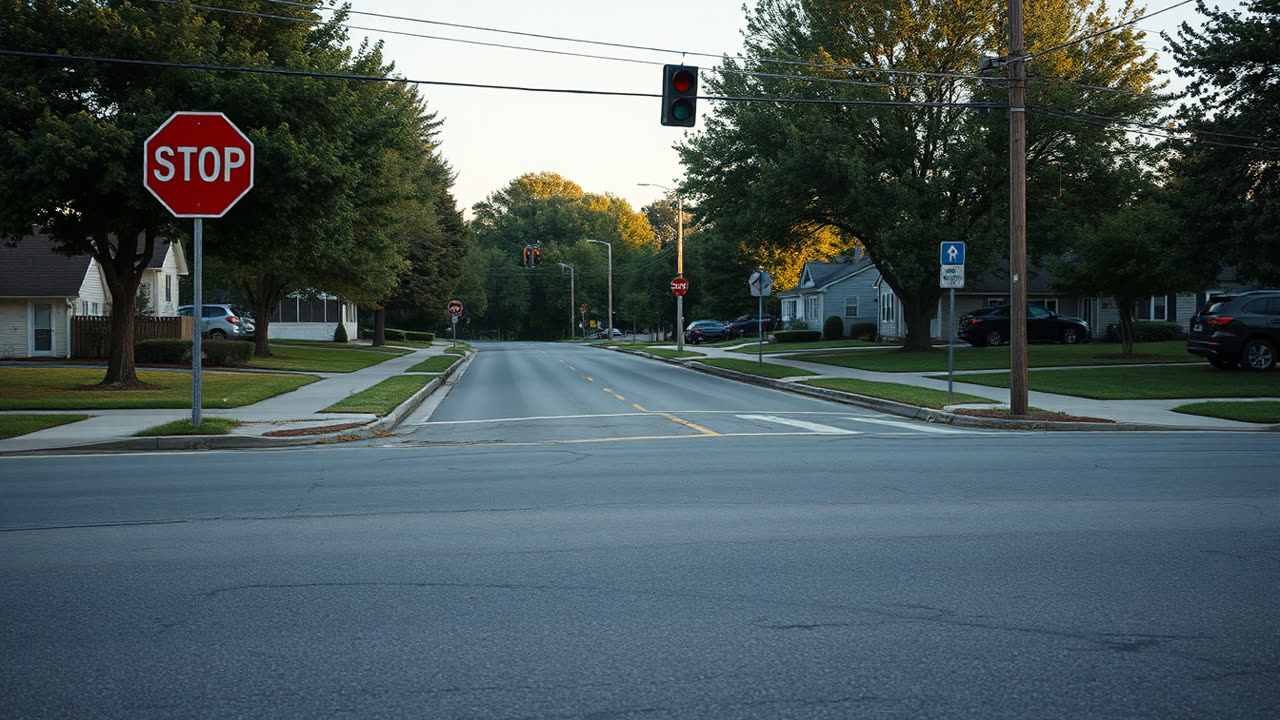
A Tesla Model 3 operating with its Full Self-Driving (FSD) or Autopilot system engaged ran a stop sign in Buena Vista Township, New Jersey, on July 6, 2025, resulting in the death of 82-year-old Stephen Field, the driver of a Honda Civic struck in the intersection. This critical detail, initially unreported by local authorities who simply cited a car that "failed to stop," emerged from an Electrek investigation that meticulously matched public crash reports with Tesla's own federal filings. Tesla's submission to the National Highway Traffic Safety Administration (NHTSA) confirmed the driver-assist system was "Verified Engaged" but, consistent with its controversial practices, redacted the crash narrative, software version, and whether the road was within the system's approved operating area, citing "confidential business information".
This incident is more than a tragic individual loss; it represents a deepening fissure in the public's trust in advanced driver-assistance systems (ADAS) and intensifies the scrutiny on Tesla's ambitious, yet often ambiguously branded, autonomous driving technology. Tesla's "Full Self-Driving (Supervised)" and Autopilot are classified as Level 2 ADAS, meaning they require a fully attentive driver ready to take immediate control at all times. The company's own disclaimers explicitly state that the system "does not make Model 3 autonomous" and "may not always follow traffic rules and traffic controls". Yet, the persistent "Full Self-Driving" moniker arguably fosters a dangerous over-reliance among users, creating a perception gap between marketing rhetoric and technical reality. This disconnect is precisely what regulatory bodies like NHTSA are investigating, with probes into Tesla's crash reporting practices and FSD's ability to handle various conditions, including reduced visibility. The consistent redaction of crucial data by Tesla in nearly 99.9% of its federal reports, effectively obscuring what the car was doing at the moment of impact, further fuels concerns about transparency and accountability.
The broader industry context highlights Tesla's unique, and in some ways, isolated approach. While Tesla leverages a massive fleet of over 4 million vehicles globally equipped with Autopilot and FSD hardware, including more than 400,000 FSD Beta users in North America, to gather real-world driving data, its reliance on a camera-only vision system remains a point of technical contention. Competitors like Waymo, the current leader in Level 4 autonomous driving, employ a redundant sensor suite including LiDAR, and operate within strictly defined geofenced areas for their robotaxi services. Waymo has logged over 20 million real-world autonomous miles and over a billion miles in simulation with a remarkable safety record, reporting only one at-fault incident (a minor rear-end scrape) and no fatalities. Mercedes-Benz, with its Level 3 Drive Pilot system, offers conditional automation where the vehicle takes responsibility under specific highway conditions in approved states like California and Nevada. This starkly contrasts with Tesla's Level 2 systems, where legal and ethical responsibility unequivocally rests with the human driver. The recent suspension of Cruise's robotaxi operations after a pedestrian dragging incident further underscores the extreme sensitivity and high stakes involved in deploying autonomous technology. Tesla's own internal safety reports, which claim FSD crashes significantly less than manual driving, are often met with skepticism from experts given their self-serving nature for regulatory submissions.
Looking ahead, the Buena Vista Township fatality will undoubtedly amplify calls for greater regulatory oversight and clearer legal frameworks for ADAS and autonomous vehicles. NHTSA's ongoing investigations, including one opened in October 2025 covering approximately 2.88 million Teslas equipped with FSD (Supervised) or FSD (Beta), are examining issues like running red lights and inadequate responses to reduced visibility. The legal landscape is also evolving, with increasing product liability lawsuits against Tesla alleging design defects, inadequate warnings, and misleading marketing. Courts have traditionally favored Tesla, often attributing accidents to driver error, but recent rulings, such as a federal jury in Miami finding Tesla 33% liable in a Florida accident and ordering $242.5 million in damages, indicate a potential shift in liability assessment. The "beta" label on FSD may not fully shield Tesla from claims of reckless conduct or punitive damages, as deploying a known-defective system on public roads can be seen as an insufficient defense. Moving forward, the industry will likely see a greater emphasis on clearly defined operational design domains, robust driver monitoring systems, and transparent data sharing to rebuild and maintain public trust. Tesla, in particular, faces immense pressure to reconcile its aspirational branding with the current capabilities and limitations of its technology, or risk further eroding the confidence essential for the widespread adoption of truly autonomous vehicles.