Tesla to Inaugurate New Nevada Semi Factory, Targeting 50,000 Trucks Annually
The grand opening marks a pivotal moment for electric heavy-duty transport, aiming to reshape global logistics with high-volume electric truck production.
✨ This content was summarized and interpreted by AI; it may contain errors — please verify accuracy with the original sources. Learn more
Listen to this story
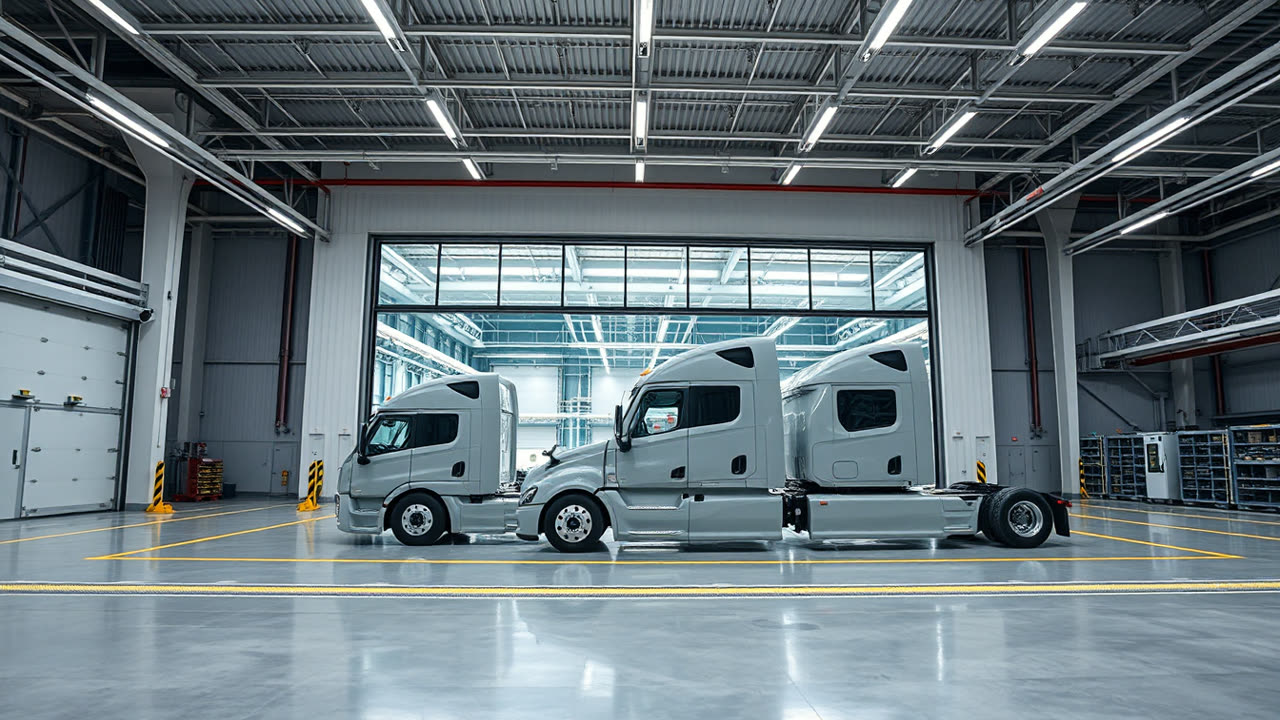
Tesla is set to formally inaugurate its new Semi factory in Nevada next month, a pivotal moment for the electric vehicle giant as it aims to scale production to 50,000 Class 8 electric trucks annually. This grand opening signifies a critical step beyond the initial limited deployment, promising to fundamentally reshape the logistics and heavy-duty transport sectors by introducing a high-volume, long-haul electric alternative to traditional diesel trucks. The stated capacity of 50,000 units per year represents a significant leap, positioning Tesla to become a dominant player in the burgeoning electric trucking market and potentially accelerating the decarbonization of freight transport on a global scale.
The inauguration of this dedicated facility matters immensely, not just for Tesla but for the entire transportation ecosystem. For fleet operators and logistics companies, the prospect of a readily available, mass-produced electric semi-truck addresses long-standing concerns about supply and scalability. The Tesla Semi, with its promised 500-mile range on a single charge and energy consumption of less than 2 kWh per mile, offers substantial operational cost savings through reduced fuel expenses and lower maintenance requirements, attributed to fewer moving parts compared to internal combustion engines. Early adopters, such as PepsiCo, which received its first Tesla Semis in December 2022, have already begun integrating them into their daily operations, providing real-world data on performance and efficiency. Widespread adoption could dramatically lower the carbon footprint of goods movement, contributing significantly to corporate sustainability goals and national emissions targets. The industry impact extends to stimulating innovation among established truck manufacturers, who are now compelled to accelerate their own electric truck programs to remain competitive. This increased competition is expected to drive down costs, improve technology, and expand charging infrastructure, ultimately benefiting end-users.
Tesla's journey with the Semi has been marked by ambition and delays since its initial unveiling in 2017. Production began in late 2022, but the output has been limited, primarily serving internal logistics and select high-profile customers. The new Nevada factory aims to transition the Semi from a niche product to a mainstream option. In comparison to rivals, the Tesla Semi stands out with its unique Megacharger network, designed specifically for rapid charging of heavy-duty electric trucks, a critical differentiator for long-haul routes where charging speed and availability are paramount. While competitors like Daimler Truck's eCascadia and Volvo Trucks' VNR Electric have established a presence, particularly in regional haul and port operations, their production volumes and charging ecosystems are still developing for true long-haul applications. The eCascadia offers up to 250 miles of range and a 194 kWh usable battery capacity, while the VNR Electric provides up to 275 miles of range with a 565 kWh battery, both typically focusing on return-to-base operations. Nikola's Tre BEV, another contender, offers a range of up to 330 miles, but the company has faced significant challenges, including past controversies, which have impacted its market position. Tesla's integrated approach, combining vehicle manufacturing with a proprietary charging network and advanced battery technology, positions it uniquely to address the complex challenges of electrifying Class 8 trucking.
Looking ahead, the inauguration of the Nevada factory is merely the first step in a much larger strategic play. The ramp-up to 50,000 units annually will depend heavily on overcoming potential supply chain bottlenecks, particularly for critical battery components, and the swift deployment of the Megacharger network along key freight corridors. Tesla's ability to meet this ambitious production target will be a litmus test for the viability of mass-produced electric long-haul trucking. Further iterations of the Semi could see advancements in battery density, charging speeds, and autonomous driving capabilities, further enhancing its appeal and operational efficiency. The success of the Semi will also have a ripple effect on other heavy-duty vehicle segments, potentially accelerating the electrification of construction equipment, buses, and other commercial vehicles. Ultimately, the Nevada factory represents more than just a new production line; it symbolizes a maturing point for the electric heavy-duty vehicle industry, signaling a decisive shift away from fossil fuels and towards a more sustainable, and potentially more economical, future for global freight.