The 2026 Dell XPS 13 Redefines Mainstream Ultraportable Excellence
Dell's latest XPS 13 launches at $999, setting a new benchmark for Windows ultraportables with a focus on design, haptic feedback, and efficient AI-powered performance.
✨ This content was summarized and interpreted by AI; it may contain errors — please verify accuracy with the original sources. Learn more
Listen to this story
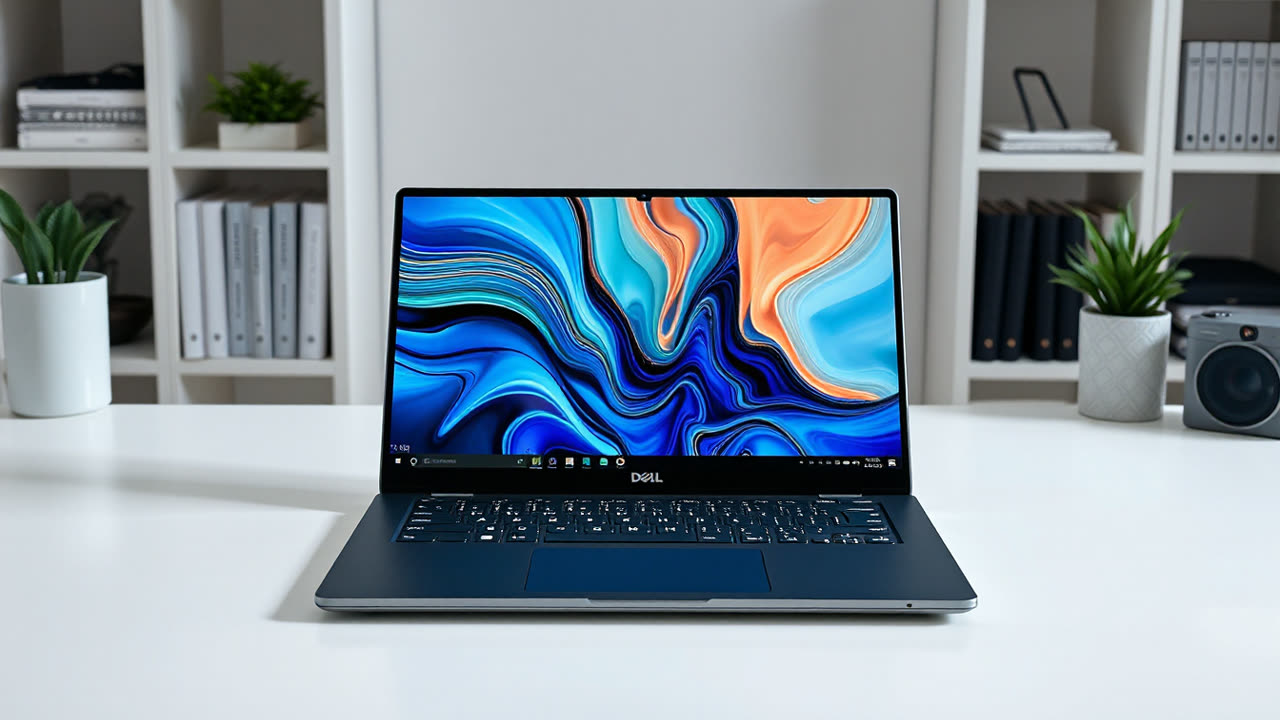
The 2026 Dell XPS 13 redefines the benchmark for mainstream Windows ultraportables, launching with a starting price of $999 and immediately positioning itself as a formidable contender in a crowded market. This latest iteration, while not engineered for raw computational might, instead triumphs through an exquisite balance of design, user experience, and efficiency, setting a new expectation for premium portable computing. Its core appeal lies in its refined aesthetic and practical innovations, rather than a pursuit of bleeding-edge performance metrics.
The core news is Dell's unwavering commitment to the XPS 13's foundational principles: a sleek, minimalist design coupled with robust everyday functionality. The 2026 model introduces a significantly improved haptic touchpad, offering precise and customizable feedback that rivals the best in the industry, including Apple's Force Touch system. This tactile enhancement, combined with a virtually bezel-less InfinityEdge display that now boasts an optional 2.8K OLED panel, elevates the visual and interactive experience to unprecedented levels for a Windows laptop in this category. Under the hood, the laptop is powered by Intel's latest Lunar Lake processors, which prioritize power efficiency and integrated AI capabilities over brute-force CPU clock speeds, providing a compelling blend of responsiveness for daily tasks and extended battery life. Early reviews indicate an impressive 15-hour battery life on the standard FHD+ model, a critical factor for mobile professionals and students.
This evolution of the XPS 13 matters profoundly for both users and the industry. For consumers, it signifies a return to thoughtful design and practical innovation. In an era where many manufacturers chase incremental performance gains, Dell has instead focused on refining the user interface and overall experience. The haptic touchpad, for example, addresses a long-standing criticism of many Windows laptops struggling to match the fluidity of MacBook trackpads, offering a genuine improvement that enhances productivity and enjoyment. The emphasis on Lunar Lake's efficiency also means users can expect a laptop that remains cool and quiet under typical loads, a stark contrast to some high-performance machines that often suffer from thermal throttling and fan noise. Industrially, Dell's strategy challenges rivals to reconsider their priorities. By demonstrating that excellence can be achieved through refinement rather than just raw power, the 2026 XPS 13 pushes competitors like HP's Spectre x360 and Lenovo's Yoga series to innovate beyond specifications and focus more on the holistic user experience, including build quality, input methods, and display technology. It reinforces the idea that the premium mainstream segment values portability, aesthetics, and enduring battery life as much, if not more, than peak synthetic benchmark scores.
Compared to its predecessors, particularly the 2024 and 2025 models, the 2026 XPS 13 represents a more significant leap in experiential design than raw performance. While previous generations steadily improved processor efficiency and display options, the 2026 model's haptic touchpad and the deeper integration of AI-optimized Lunar Lake chips mark a distinct shift. Earlier XPS 13 models, while lauded for their compact footprints, sometimes faced criticism for their traditional clickpad mechanisms. This new model directly addresses that feedback. Against rivals such as the HP Spectre x360 14, which often offers more versatile 2-in-1 form factors and stylus support, the XPS 13 (2026) maintains its clamshell integrity, focusing on a singular, refined laptop experience. The Microsoft Surface Laptop 6, another key competitor, often prioritizes a unique 3:2 aspect ratio display and and a more integrated software-hardware ecosystem, but the XPS 13's near-invisible bezels and superior OLED option provide a more immersive visual experience for content consumption. While some premium ultraportables from Apple, like the MacBook Air M3, might still hold an edge in raw multi-core performance and ecosystem integration, the 2026 XPS 13 closes the gap significantly in terms of premium feel and Windows-specific optimizations.
Looking ahead, the success of the 2026 XPS 13 indicates a future where "mainstream excellence" will increasingly be defined by integrated features and user-centric design rather than just raw specifications. Dell's bold move with the haptic touchpad suggests a broader industry trend towards more sophisticated input mechanisms across Windows laptops, potentially leading to a new standard for trackpad quality. The emphasis on Lunar Lake's AI capabilities also hints at a future where on-device AI acceleration becomes a key differentiator, enhancing everything from video conferencing to content creation without relying solely on cloud services. We can expect future iterations to further integrate these AI capabilities, perhaps offering more personalized user experiences or predictive functionalities. Additionally, the drive for extended battery life and silent operation will likely continue, with manufacturers exploring even more efficient chip designs and passive cooling solutions. The 2026 XPS 13 doesn't just raise the bar; it subtly shifts the conversation towards what truly constitutes a premium, user-first computing experience in the Windows ecosystem.