The EU Orders Google to Open Android and Search Data to Rival AI Assistants
The European Union has issued binding instructions under the Digital Markets Act, compelling Google to open its Android operating system and search data to rival AI voice assistants and search engines, fundamentally reshaping the mobile AI landscape and offering unprecedented user choice.
✨ This content was summarized and interpreted by AI; it may contain errors — please verify accuracy with the original sources. Learn more
Listen to this story
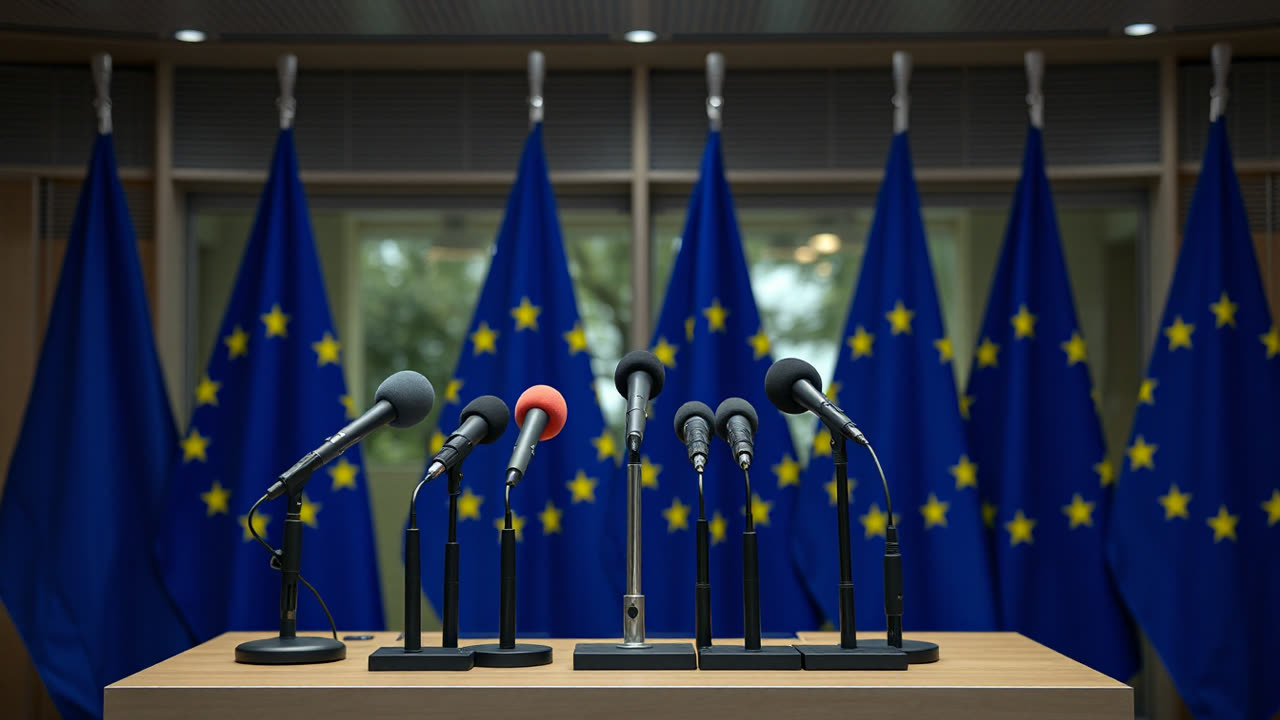
The European Union has issued binding instructions to Google, effective July 16, 2026, under the sweeping Digital Markets Act (DMA), demanding the tech giant open its Android operating system and search data to rival AI voice assistants and search engines. This landmark decision targets Google's dominant position, aiming to dismantle barriers that have historically favored its own AI services, such as Gemini, over competitors. The mandate requires Google to grant third-party AI assistants comprehensive access to core Android functionalities by July 2027, enabling them to be activated via voice commands—akin to "Hey Google"—and perform complex tasks within applications, including booking taxis or suggesting chat replies. Separately, Google must begin sharing anonymized search data with eligible third-party search providers, including AI chatbots with search capabilities like OpenAI's ChatGPT and Anthropic's Claude, by January 2027.
This ruling marks a pivotal shift, fundamentally altering the competitive landscape for mobile artificial intelligence and offering unprecedented choice to the 60% of EU users who rely on Android devices. Previously, rival AI assistants on Android were relegated to a secondary status, operating with restricted access to key system features, which severely hampered their ability to offer innovative and deeply integrated services. The EU's intervention aims to level this playing field, fostering genuine competition and encouraging a new wave of innovation from smaller developers who can now build and deploy AI assistants with capabilities on par with Google's own offerings. For users, this translates into a potential future where they can seamlessly choose and switch between different AI assistants, each perhaps excelling in specific domains, leading to more personalized and powerful mobile experiences. The ability to delegate tasks directly within apps via a preferred AI assistant could streamline daily digital interactions, moving beyond a single, pre-installed solution.
The EU's action is not an isolated event but a continuation of its robust regulatory offensive against "gatekeepers" in the digital economy, leveraging the DMA to ensure fair competition and user choice. Brussels has recently pushed Apple for greater interoperability with non-Apple products and compelled Meta to address "addictive features" like infinite scrolling. This consistent pressure underscores a broader regulatory philosophy that challenges the entrenched power of tech behemoths by mandating openness and interoperability. Google, predictably, has voiced strong opposition. Kent Walker, President of Global Affairs for Google and Alphabet, warned that the new rules "risk undermining vital privacy and security guardrails for millions of Europeans". Google contends that granting deep, system-level permissions to external apps could bypass hardware safety mechanisms, expose private search data without adequate anonymization or user consent, and even endanger national security. These concerns highlight the inherent tension between regulatory mandates for openness and a platform owner's responsibility for security and privacy, though the Commission insists its measures incorporate "robust safeguards" to protect user privacy and device integrity.
Looking ahead, the implementation of these directives will be a complex undertaking. Google will face the formidable task of re-architecting significant portions of Android's core functionalities to accommodate rival AI assistants while simultaneously ensuring the privacy and security protections mandated by the EU. The Commission has allowed Google to assess potential cybersecurity and data protection risks before granting access to third parties, and the anonymization methods for shared search data will be subject to independent evaluation. This suggests a dynamic and potentially contentious process, with technical negotiations and regulatory oversight likely to continue well beyond the initial deadlines. The long-term implications are profound: the mobile AI market could evolve into a more fragmented but ultimately more innovative ecosystem, where specialized AI assistants thrive based on merit rather than default platform integration. Google will need to adapt its strategy for Gemini, potentially focusing on superior performance and unique features to retain users in a newly competitive environment. This bold move by the EU could also serve as a blueprint for other jurisdictions grappling with similar issues of platform dominance, signaling a global shift towards greater regulatory scrutiny of AI ecosystems.