The Hidden Cost of 'Free' VPNs: A Labyrinth of Security and Privacy Risks
Many 'free' Virtual Private Network (VPN) services, far from offering robust protection, actively compromise user privacy and security through aggressive data logging, intrusive advertising, and even bandwidth hijacking, turning users into the product.
✨ This content was summarized and interpreted by AI; it may contain errors — please verify accuracy with the original sources. Learn more
Listen to this story
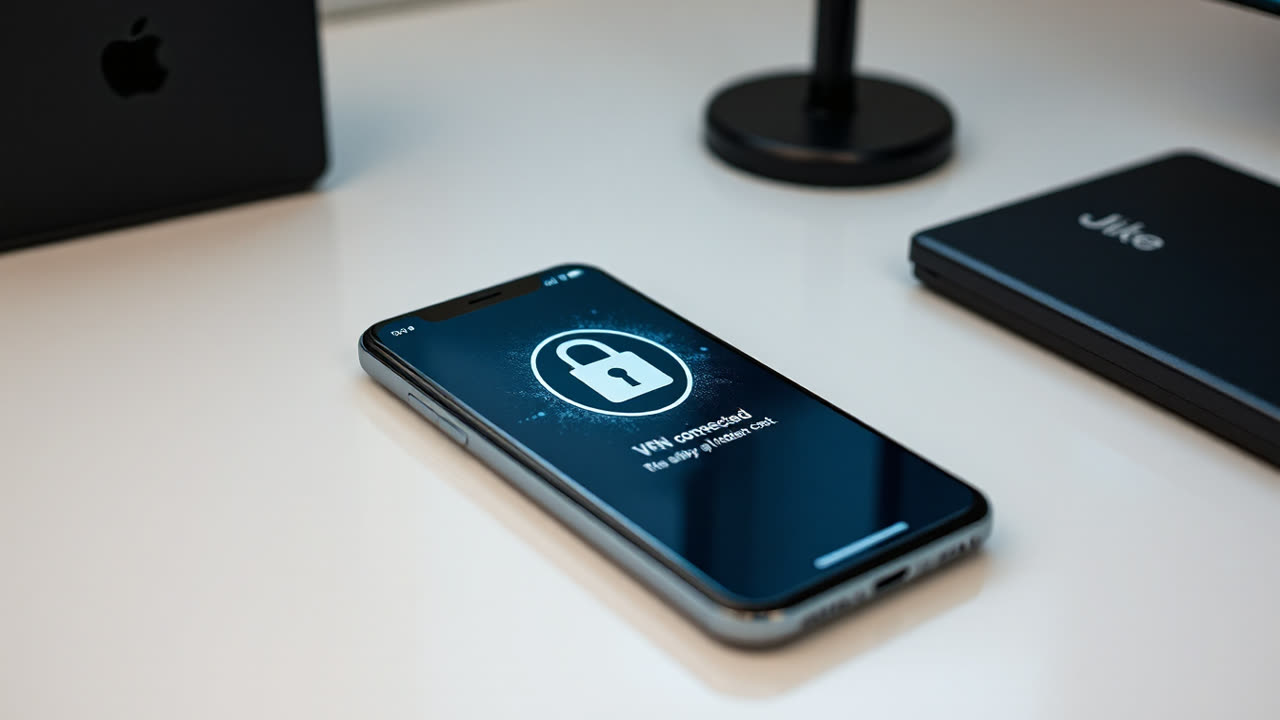
The alluring promise of online anonymity and unrestricted access, often packaged as a "free" virtual private network (VPN) service, frequently conceals a labyrinth of significant security and privacy compromises that fundamentally undermine the very purpose of a VPN. Far from offering robust protection, many free VPNs engage in practices ranging from aggressive data logging and intrusive advertising to, in extreme cases, injecting malware and actively selling user bandwidth, transforming the user into the product rather than the customer. This surreptitious data harvesting and monetization strategy is a stark contrast to the explicit privacy assurances typically offered by reputable paid services, raising critical questions about the actual cost of "free" and its broader implications for digital security.
The inherent business model of a truly free VPN dictates that if users are not paying with money, they are almost certainly paying with their data, their privacy, or even their device's resources. Numerous investigations have revealed that a substantial percentage of free VPN applications, particularly those found on mobile app stores, collect and sell user browsing data to third-party advertisers and data brokers, directly compromising the privacy they purport to protect. This can include IP addresses, browsing history, and even personal identifiable information, which is then used for targeted advertising or other undisclosed purposes. Furthermore, some free VPNs have been caught injecting intrusive ads directly into users' web traffic, degrading the browsing experience and potentially exposing users to malicious advertisements. The security risks extend beyond data collection; a 2021 study by the security firm Top10VPN found that a significant number of free VPNs had weak encryption, outdated protocols, or even contained malware and spyware within their applications, turning a supposed security tool into a direct threat. This poses an immediate danger to users, as their sensitive information, from banking details to personal communications, could be intercepted or compromised. Another alarming practice observed among some free VPN providers is the hijacking of user bandwidth, where a portion of a user's internet connection is resold to other users or third parties, effectively turning the user's device into an exit node in a peer-to-peer network without explicit consent. This not only slows down the user's internet speed but also potentially implicates them in illicit online activities conducted by others using their hijacked bandwidth.
The ramifications of these practices are profound for individual users and the wider cybersecurity landscape. For users, the false sense of security provided by a free VPN can lead to a dangerous complacency, encouraging them to engage in activities they believe are private and secure, only for their data to be exposed or sold. This erodes trust in privacy tools generally and makes it harder for consumers to discern legitimate services from predatory ones. On an industry level, the proliferation of compromised free VPNs creates a race to the bottom, where the focus shifts from robust security and privacy features to minimal viable products designed primarily for data monetization. This challenges the efforts of ethical VPN providers who invest heavily in infrastructure, strong encryption, and strict no-logging policies, as they must continuously educate consumers about the hidden costs of "free." The ongoing battle against censorship and surveillance in various regions also suffers, as unreliable free VPNs can inadvertently expose dissidents or activists to greater risks if their traffic is not truly secured.
Compared to their paid counterparts, premium VPN services typically operate on a subscription model, where the user's payment directly funds the service's infrastructure, development, and stringent privacy policies. This economic alignment allows paid providers to offer robust features such as military-grade AES-256 encryption, a wide array of server locations, unlimited bandwidth, and dedicated customer support, all backed by audited no-logging policies that legally and technically prevent them from storing or sharing user data. Many reputable paid VPNs undergo independent security audits to verify their no-logging claims and the integrity of their infrastructure, a transparency almost entirely absent in the free VPN market. Furthermore, paid services often implement advanced features like kill switches, DNS leak protection, and obfuscated servers, specifically designed to prevent accidental data exposure and bypass sophisticated censorship mechanisms. While a basic paid VPN subscription might cost around $5-12 per month, many providers offer significant discounts for longer-term plans, bringing the effective monthly cost down to $2-4, a modest investment for genuine privacy and security.
Looking ahead, the landscape for VPN services will likely continue to bifurcate. Regulatory scrutiny around data privacy and online security is intensifying globally, potentially leading to greater oversight of all VPN providers, including those offering free services. This could force some of the more egregious actors out of the market or compel them to adopt more transparent data handling practices. Simultaneously, as cyber threats become more sophisticated and internet censorship persists, the demand for reliable, secure VPNs will only grow. This will likely drive innovation among premium providers, with a continued focus on enhanced encryption, quantum-resistant algorithms, and integrations with other privacy tools like decentralized identity solutions. The ongoing challenge will be to effectively communicate the true value proposition of paid, secure VPNs against the persistent temptation of "free," emphasizing that in the realm of digital privacy, genuine protection is rarely, if ever, without a legitimate cost.
FACTS: Is a free VPN worth using? Here's why it could be risky — A free VPN might seem like a great deal, but they're not all created equal. While you can expect some compromises, you shouldn't use any old service. (kaynak: Engadget, https://www.engadget.com/2252776/is-free-vpn-worth-using-risks-explained/)