The iPhone's Five-Year Evolution: From 13 to 17
Modern iPhones reflect years of gradual evolution, blending new capabilities with familiar elements that keep users adapting along the way.
✨ This content was summarized and interpreted by AI; it may contain errors — please verify accuracy with the original sources. Learn more
Listen to this story
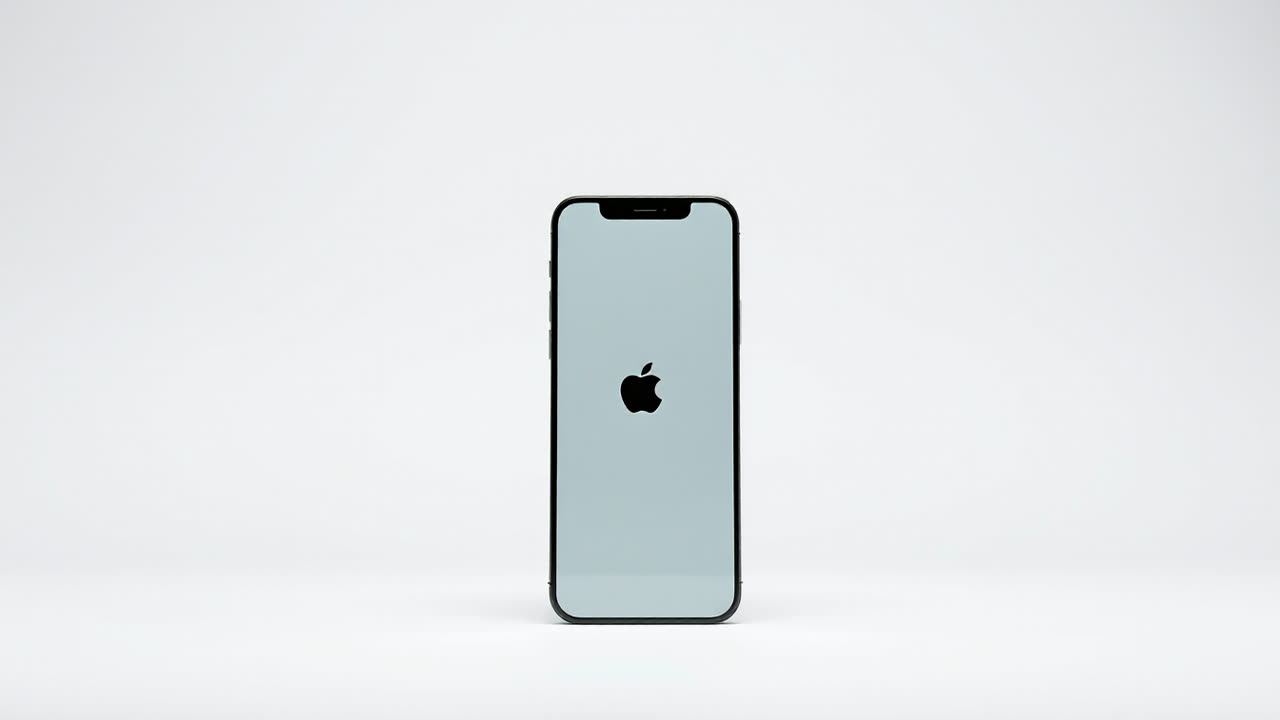
The iPhone's journey over the past five years, from the iPhone 13 series in 2021 to the current iPhone 17 lineup, has been defined not by revolutionary overhauls, but by a relentless pursuit of refinement, culminating in a device that is simultaneously familiar and profoundly more capable. This period has seen Apple meticulously integrate advanced display technologies, computational photography breakthroughs, and robust connectivity features, all while subtly reshaping user interaction and solidifying its premium market position.
Perhaps the most visually striking evolution arrived with the iPhone 14 Pro in late 2022: the Dynamic Island, a clever software-hardware fusion that transformed the long-standing notch into an interactive, context-aware notification and activity hub. This innovative interface element, subsequently extended across the entire iPhone 15 and 16 series, and refined in the iPhone 17, dynamically expands and contracts to display alerts, Face ID animations, ongoing calls, and music playback, fundamentally changing how users engage with background tasks without interrupting their primary activity. Concurrently, the ProMotion display, offering adaptive refresh rates up to 120Hz, became standard across Pro models from the iPhone 13 Pro, delivering buttery-smooth scrolling and gaming experiences, a feature that eventually trickled down to the base models in the iPhone 16 generation. The Always-On Display, introduced with the iPhone 14 Pro, further enhanced glanceability, making crucial information available without needing to tap the screen. Beyond aesthetics, the transition to USB-C across the entire iPhone 15 series in 2023 marked a significant shift, aligning with broader industry standards and simplifying charging and data transfer for millions of users globally. This move, while driven partly by regulatory pressures, also allowed for faster data transfer speeds on Pro models, reaching up to 10Gbps with USB 3 support.
Underneath the hood, the performance gains have been monumental, driven by Apple's consistent leadership in silicon development. The A15 Bionic chip in the iPhone 13 series, followed by the A16 Bionic in the iPhone 14 Pro, the A17 Pro in the iPhone 15 Pro, and the subsequent A18 Pro and A19 Pro chips powering the iPhone 16 and 17 Pro models respectively, have continually pushed the boundaries of mobile computing. Each iteration has brought substantial improvements in CPU, GPU, and Neural Engine performance, enabling increasingly complex computational photography, console-quality gaming, and on-device machine learning tasks. For instance, the A17 Pro chip, fabricated on a 3-nanometer process, delivered a 10% faster CPU and a 20% faster GPU than its predecessor, demonstrating Apple's commitment to raw power. These advancements are not merely about benchmark scores; they translate directly into snappier app launches, seamless multitasking, and the ability to run sophisticated AI models directly on the device, enhancing features like voice recognition, image processing, and predictive text with greater efficiency and privacy.
The camera system has arguably seen the most transformative evolution, moving beyond simple megapixel bumps to embrace sophisticated computational photography. The iPhone 13 Pro introduced Cinematic Mode, bringing shallow depth-of-field video recording with automatic focus transitions, a feature refined in subsequent generations. The iPhone 14 Pro elevated resolution with a 48-megapixel main sensor, enabling ProRAW capture and superior low-light performance through pixel binning and the Photonic Engine. This trend continued with the iPhone 15 Pro Max introducing a tetraprism telephoto lens, offering 5x optical zoom at 120mm equivalent, a significant leap in telephoto capability for an iPhone. The iPhone 16 and 17 series have further refined these systems, introducing advanced sensor-shift optical image stabilization, larger sensors for even better light gathering, and expanded computational photography algorithms that intelligently optimize every shot, from macro close-ups to expansive landscapes, often outperforming dedicated point-and-shoot cameras. Features like Action Mode, introduced with the iPhone 14, provide incredibly smooth, gimbal-like video stabilization, catering to an increasingly active user base.
Beyond performance and imagery, Apple has significantly bolstered the iPhone's safety and connectivity features. The introduction of Emergency SOS via Satellite with the iPhone 14 provided a critical lifeline for users in remote areas without cellular or Wi-Fi coverage, a feature that has since expanded its availability and capabilities. Enhanced 5G connectivity, Wi-Fi 6E, and more recently Wi-Fi 7 in the latest models, ensure faster and more reliable wireless communication, crucial for streaming, gaming, and cloud-based applications. Apple’s unwavering focus on privacy and security, with features like App Tracking Transparency and on-device data processing, has also deepened user trust, setting a high bar for the industry. Furthermore, the company's aggressive pursuit of sustainability, evidenced by the increased use of recycled materials in components like the battery, magnets, and Taptic Engine, and the removal of power adapters from the box, reflects a growing environmental consciousness that resonates with a significant segment of consumers.
These gradual yet impactful changes have solidified the iPhone's position at the apex of the premium smartphone market, creating a compelling ecosystem that rivals struggle to match. While Android competitors often lead in specific hardware specifications or niche features, the iPhone's strength lies in its seamless integration of hardware, software, and services, coupled with robust long-term support and high resale value. This consistent, iterative improvement strategy has allowed Apple to maintain user loyalty and attract new customers by offering a meticulously polished experience rather than chasing fleeting trends. Looking ahead, the trajectory suggests continued advancements in on-device AI, potentially more sophisticated mixed-reality integration building on the Vision Pro's technologies, and further refinements in camera capabilities, perhaps even pushing into computational light field photography. The next five years will likely see the iPhone become an even more indispensable personal assistant, leveraging its unparalleled silicon and software synergy to deliver increasingly personalized and intuitive experiences, challenging the industry to keep pace with its deliberate yet profound evolution.