The Significant Drawbacks of Switching from iPhone to Android
Users contemplating a migration from Apple's walled garden face a gauntlet of significant drawbacks, most notably the immediate disruption of deeply integrated services and a potential downgrade in long-term software support.
✨ This content was summarized and interpreted by AI; it may contain errors — please verify accuracy with the original sources. Learn more
Listen to this story
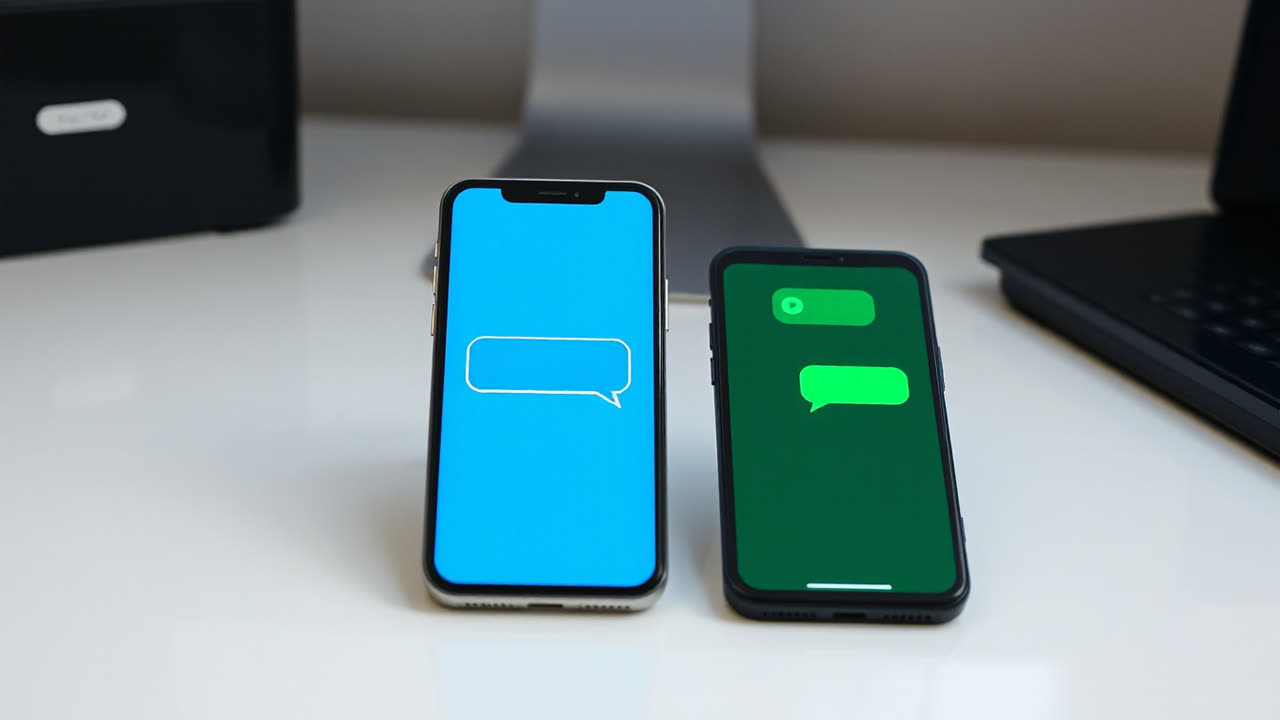
The allure of Android’s open ecosystem, diverse hardware, and often more competitive pricing can be strong, yet users contemplating a migration from Apple's walled garden face a gauntlet of significant drawbacks, most notably the immediate disruption of deeply integrated services and a potential downgrade in long-term software support. The most immediate and frequently cited pain point for former iPhone users is the loss of iMessage, a proprietary service that, despite its technical limitations, serves as a crucial social glue in many regions, especially North America. Switching to Android often means a reversion to standard SMS/MMS for communication with iPhone users, resulting in green bubbles, reduced media quality, and the absence of features like read receipts and typing indicators, which can subtly but significantly alter social dynamics and group chat experiences. This isn't merely a cosmetic issue; it represents a fundamental break from a seamless communication standard that, for many, defines their daily digital interactions.
Beyond messaging, the Apple ecosystem’s tightly woven fabric presents a formidable hurdle. Features like AirDrop for effortless file sharing, FaceTime for high-quality video calls, and the seamless integration across Apple devices—from AirPods automatically switching between an iPhone and an iPad, to universal clipboard functionality, and the "Find My" network for locating lost devices—are often cited as primary reasons for iOS loyalty. While Android offers alternatives for many of these functionalities, such as Google's Nearby Share, Google Meet, and various third-party apps, they rarely achieve the same level of seamless, out-of-the-box integration and user-friendliness that Apple provides across its hardware and software stack. This impacts user convenience and efficiency, particularly for those heavily invested in multiple Apple products. The "network effect" of Apple's ecosystem means that the value derived from one Apple product is amplified by the presence of others, creating a powerful disincentive to switch.
The perceived disparity in app quality and consistency, particularly for niche or creative applications, also remains a concern for some switchers. While Android's app store boasts a vast selection, iOS often receives priority for new app launches, exclusive titles, and, in some cases, a more polished user interface or feature set, especially for high-end gaming and professional tools. This gap has narrowed considerably over the years, with Android's app ecosystem maturing significantly, but a subtle difference in developer focus or optimization can still be noticeable in specific categories. Furthermore, the longevity of software updates and perceived security posture often favors Apple. iPhones typically receive five to seven years of major iOS updates, ensuring access to new features and critical security patches for an extended period. In contrast, Android's update landscape is fragmented; while Google's Pixel devices now offer seven years of updates, many other Android manufacturers provide only two to four years of major OS updates, with security updates varying even more widely. This disparity impacts device longevity, resale value, and the overall security posture of older Android devices, creating a hidden cost for users expecting a similar lifecycle to an iPhone.
From an industry perspective, these downsides underscore the enduring power of ecosystem lock-in. Apple's strategy isn't just about selling a phone; it's about selling an integrated experience that becomes increasingly difficult and costly to exit. This creates a significant competitive moat, retaining users even when Android devices might offer superior hardware specifications or more innovative features at a given price point. For users, the "cost" of switching isn't just the price of a new device, but the accumulated value of convenience, familiarity, and social integration built over years within the Apple ecosystem. This dynamic forces Android manufacturers to continually innovate and differentiate, not just on hardware, but on services and software experiences that can genuinely compete with Apple's integrated offerings. Efforts by Google, for example, to push RCS messaging as a universal standard are a direct response to the iMessage dilemma, aiming to neutralize one of Apple's most potent retention tools.
Looking ahead, the mobile landscape is likely to see continued efforts from both sides to bolster their respective ecosystems. Apple will undoubtedly refine its integration further, potentially expanding into new categories like augmented reality, further entrenching its user base. Meanwhile, Android will continue its push for interoperability and standardization, with initiatives like Matter for smart home devices and the ongoing evolution of Wear OS aiming to create a more cohesive, multi-device experience that rivals Apple's. The regulatory pressures on "walled gardens" could also play a significant role, potentially forcing Apple to open up certain services, such as iMessage, to third-party platforms. However, until such mandates materialize, the friction associated with switching from iPhone to Android—particularly the disruption of established communication patterns, the loss of seamless ecosystem integration, and the varied commitment to long-term software support—will remain a substantial barrier for many users, ensuring Apple's remarkable user retention endures.