This Buried Apple Feature Turns an iPhone Into the Perfect Kids’ Dumb Phone
Apple built a tool for people with cognitive disabilities, but I accidentally discovered it’s also the best kids’ phone setup no one is talking about—not even Apple.
✨ This content was summarized and interpreted by AI; it may contain errors — please verify accuracy with the original sources. Learn more
Listen to this story
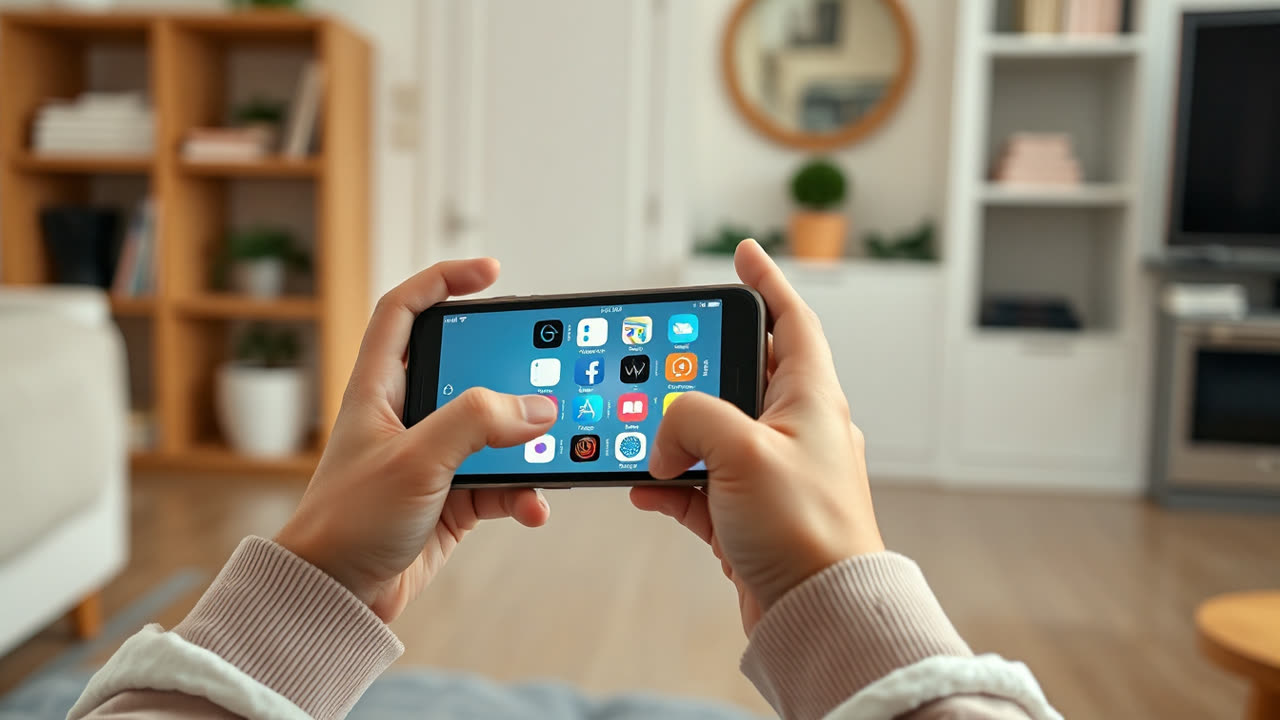
Apple’s Assistive Access, a feature buried within iOS 17 and later, is emerging as an accidental but effective solution for parents seeking a "dumb phone" experience for their children. While initially designed to simplify the iPhone interface for individuals with cognitive disabilities, this powerful accessibility tool allows for a highly controlled smartphone environment that many parents are discovering offers the perfect balance of connectivity and safety for kids.
Assistive Access transforms the iPhone by presenting a simplified home screen with large, easy-to-tap icons and limiting functionality to only pre-selected apps like Calls, Messages, and Camera. Crucially, it effectively hides distracting elements such as the Safari browser, App Store, and social media applications, preventing children from accessing addictive content or inadvertently changing critical settings. This "start with nothing and choose what appears" architecture fundamentally differs from traditional parental controls, which often require constant vigilance to subtract unwanted features.
For parents, this means providing their children with essential communication tools without exposing them to the overwhelming complexities and potential pitfalls of a full smartphone. It fosters a gradual introduction to technology, promoting focus and reducing screen time, a growing concern in today’s digital landscape. This overlooked feature offers a compelling alternative to dedicated "starter phones," which can be expensive and lack seamless integration with existing family ecosystems. Apple, perhaps inadvertently, has provided a robust answer to a pervasive parental dilemma, even if the company hasn't actively marketed Assistive Access for this specific use case. It highlights a significant unmet need in the market for intuitive, secure, and genuinely "dumbed-down" smartphone options for younger users.