Thula Solutions Unveils Ground-Up Electric 4x4 Safari Vehicle
Thula Solutions has introduced a revolutionary electric 4x4 safari vehicle, meticulously engineered from scratch as a purpose-built electric platform, promising unparalleled, silent wildlife interactions.
✨ This content was summarized and interpreted by AI; it may contain errors — please verify accuracy with the original sources. Learn more
Listen to this story
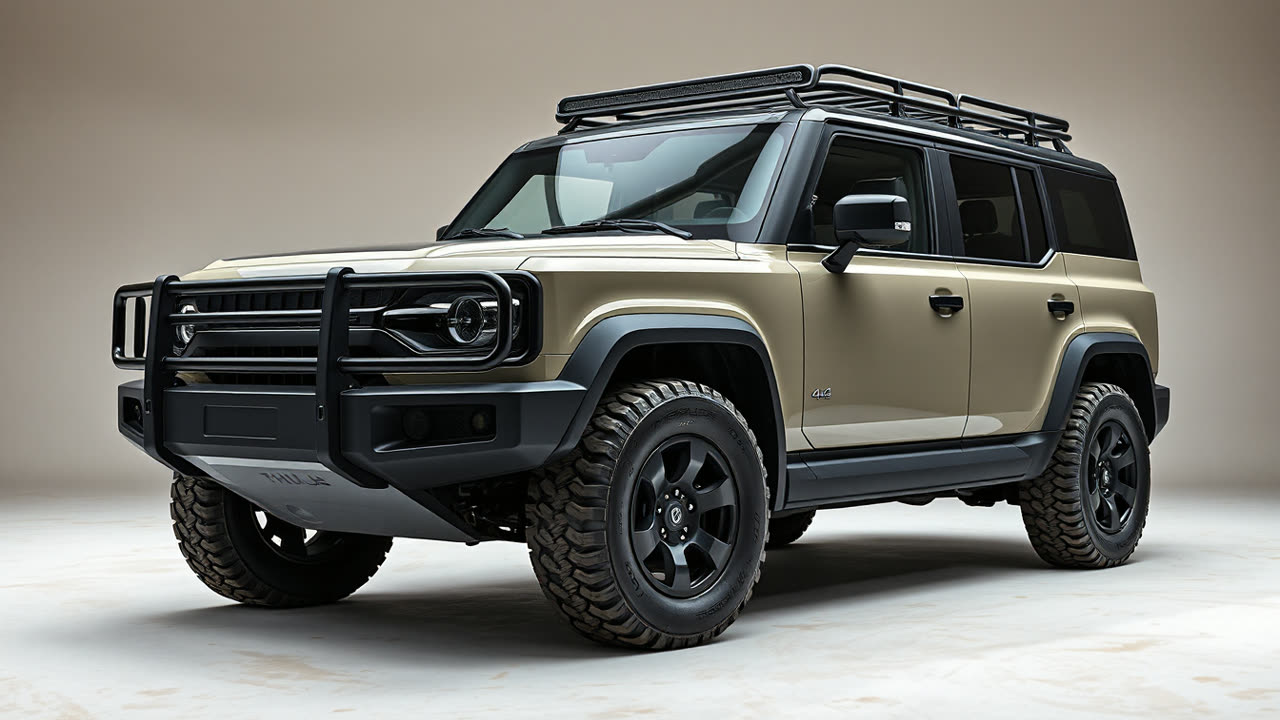
Thula Solutions has unveiled a revolutionary electric 4x4 safari vehicle, meticulously engineered from the ground up as a purpose-built electric platform, fundamentally departing from the common practice of repurposing existing diesel chassis. This intentional design choice allows for optimal integration of electric powertrains, battery systems, and specific safari requirements, promising an unparalleled experience for tourists, scientists, and park workers seeking closer, less disruptive interactions with wildlife. The core innovation lies in eliminating the noise and exhaust fumes inherent to traditional internal combustion engine (ICE) vehicles, which often disturb animals and detract from the immersive natural experience.
This development holds significant implications for both the burgeoning sustainable tourism sector and the specialized electric vehicle industry. For users, the immediate impact is a dramatically enhanced safari experience; the near-silent operation allows vehicles to approach wildlife more closely without causing alarm, leading to more intimate viewing opportunities and reduced stress on animals in their natural habitats. Furthermore, the absence of tailpipe emissions directly contributes to preserving the pristine air quality of delicate ecosystems, addressing a critical environmental concern often overlooked in popular safari destinations. The shift away from fossil fuels also reduces reliance on complex supply chains for diesel in remote areas, potentially lowering operational costs and simplifying logistics for safari operators over the long term, despite a higher initial capital outlay. This is particularly relevant as global fuel prices remain volatile and pressure mounts for eco-conscious travel options.
Historically, safari operators have relied almost exclusively on rugged, diesel-powered 4x4s, chosen for their torque, range, and perceived reliability in harsh, off-road conditions. While robust, these vehicles produce significant noise pollution, which can travel for miles, and emit greenhouse gases and particulate matter detrimental to both local air quality and the global climate. While some companies have experimented with converting existing ICE vehicles to electric, these often compromise on weight distribution, chassis integrity, and overall performance due to the inherent limitations of adapting a platform not designed for electric propulsion. Thula Solutions' "clean sheet" approach, however, allows for optimized battery placement for a lower center of gravity, improved suspension tuning for comfort over rough terrain, and a powertrain specifically designed for the low-speed, high-torque demands of safari driving. While specific technical benchmarks such as range, motor power, and charging infrastructure requirements are still emerging, the foundational design principle positions it ahead of retrofit solutions. Rival offerings, such as those from companies exploring electrification for off-road utility, often prioritize industrial applications or recreational use, rarely combining the specific demands of silent operation, robust off-road capability, and passenger comfort tailored for wildlife viewing.
Looking ahead, Thula Solutions' purpose-built electric safari vehicle could catalyze a broader transformation within the adventure tourism industry. The success of such a dedicated platform will likely spur further innovation in specialized electric vehicles for other niche applications, from agricultural machinery to specialized rescue vehicles operating in sensitive environments. Challenges remain, particularly concerning charging infrastructure in remote safari lodges and the initial investment costs associated with new EV fleets. However, as battery technology continues to advance, offering greater energy density and faster charging capabilities, and as renewable energy sources become more accessible in remote regions, these hurdles will diminish. We can anticipate a future where "silent safaris" become the standard rather than a novelty, driven by both consumer demand for genuinely sustainable travel and regulatory pressures to minimize ecological footprints. The long-term outlook suggests a growing market for such specialized electric vehicles, pushing manufacturers to innovate beyond mere electrification and towards truly optimized, purpose-built solutions for every unique application, ultimately redefining how humans interact with the natural world.