TikTok to Pay Alabama $100M in Landmark Addiction Settlement
The short-form video giant faces a substantial payout over allegations of misleading users and designing algorithms to foster addiction, particularly among children, setting a new precedent for tech accountability.
✨ This content was summarized and interpreted by AI; it may contain errors — please verify accuracy with the original sources. Learn more
Listen to this story
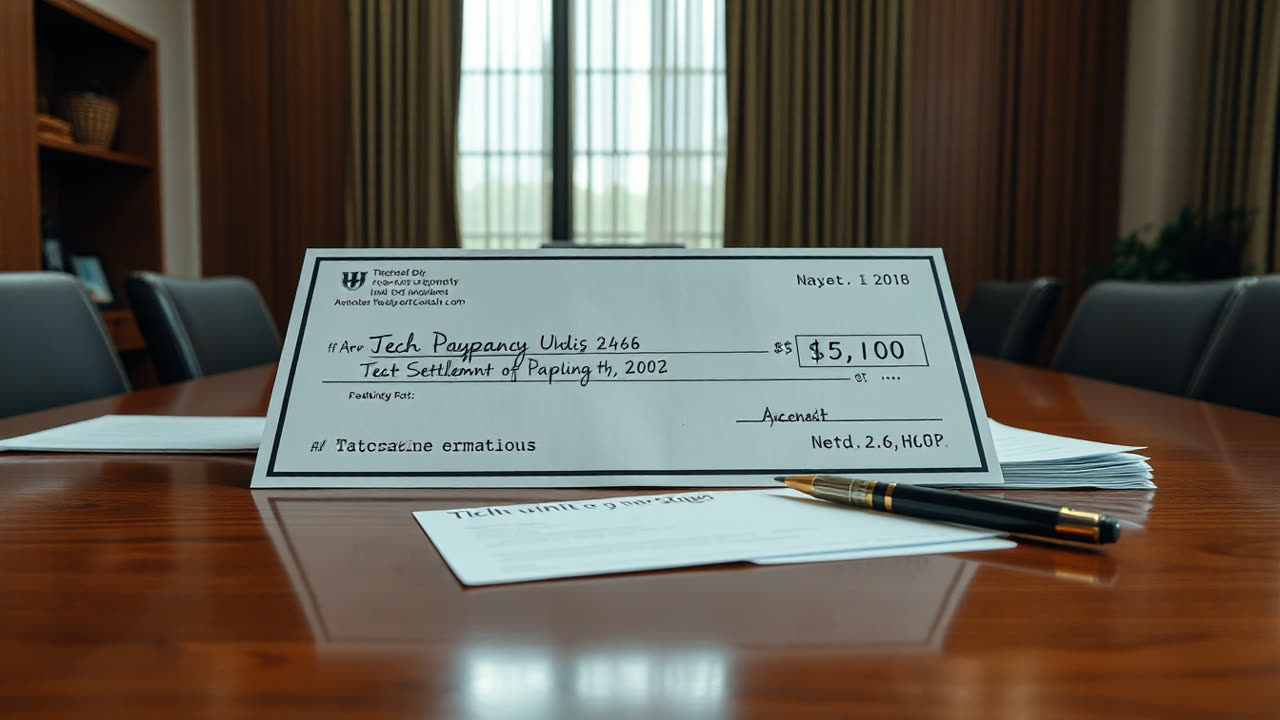
TikTok will pay Alabama at least $100 million in a landmark settlement, addressing allegations that the immensely popular short-form video platform misled users about safety features and deliberately engineered its algorithms to foster addiction, particularly among children. This substantial payout, revealed on September 26, 2026, marks a significant legal victory for Alabama and intensifies the already mounting pressure on social media companies to re-evaluate their design principles and content moderation practices, especially concerning their youngest users. The settlement specifically targets claims that TikTok's design actively exploited developmental vulnerabilities in minors, contributing to excessive screen time and potential psychological harm, moving beyond mere content moderation failures to scrutinize the platform's fundamental architecture.
The ramifications of this settlement extend far beyond Alabama's borders, signaling a pivotal shift in how regulatory bodies and state attorneys general approach the pervasive issue of social media's impact on public health. For users, particularly parents, this case validates long-held concerns about the manipulative nature of engagement-driven algorithms, potentially empowering them to demand greater transparency and control over digital environments. It underscores a growing public sentiment that platforms cannot simply disclaim responsibility for the health and well-being of their user base, especially when their business models are predicated on maximizing attention. This ruling could foster a new era of user advocacy, pushing for features like mandatory "take a break" notifications, more robust age-gating mechanisms, and clearer data privacy disclosures, fundamentally altering the user experience across the digital landscape.
For the broader tech industry, the Alabama settlement serves as a potent warning shot, establishing a precedent that the design choices of social media platforms are no longer immune from legal challenge. Companies whose core mechanics incentivize endless scrolling and constant engagement, such as Meta (Instagram, Facebook) and Google (YouTube), will undoubtedly face renewed scrutiny and potential litigation. The focus has decisively shifted from merely addressing harmful content to questioning the very architecture that facilitates its consumption and encourages addictive behavior. This could precipitate a significant industry-wide re-evaluation of product development, potentially leading to a de-emphasis on pure engagement metrics in favor of user well-being indicators, driving innovation towards "safer by design" principles rather than reactive content moderation. The financial implications are also considerable; a $100 million-plus settlement, while a fraction of TikTok's global revenue, sets a benchmark for potential future liabilities in other states or countries.
TikTok has faced a litany of legal and regulatory challenges globally, from data privacy concerns to national security anxieties. In 2019, its predecessor, Musical.ly, settled with the U.S. Federal Trade Commission (FTC) for $5.7 million over allegations of illegally collecting personal information from children under 13, marking an early warning sign regarding its practices with minors. More recently, the platform has been subject to intense scrutiny over its data handling practices in relation to its Chinese parent company, ByteDance, leading to potential bans or forced divestitures in several Western nations. This Alabama settlement, however, specifically targets the platform's *design* and its alleged role in fostering addiction, distinguishing it from prior privacy or national security concerns. Other platforms like Instagram have also faced similar accusations, with reports and internal documents suggesting awareness of the app's potential negative impact on teenage mental health, yet few have faced such a direct and substantial legal consequence focused on algorithmic design as TikTok now has.
The evolving regulatory landscape is increasingly hostile to unchecked tech autonomy, particularly concerning minors. Laws like the Children's Online Privacy Protection Act (COPPA) in the U.S. and the Digital Services Act (DSA) in the European Union impose stricter obligations on platforms regarding child safety and data protection. Several U.S. states have also begun enacting their own child online safety laws, such as Utah's Social Media Regulation Act, which restricts minors' access to social media without parental consent and imposes age verification requirements. This Alabama settlement reflects a growing trend of states leveraging their legal authority to compel changes from tech giants, moving beyond federal gridlock to address perceived harms proactively.
Looking ahead, this settlement will likely compel TikTok to implement more robust age verification processes, enhance parental control features, and potentially re-engineer aspects of its recommendation algorithm to mitigate addictive patterns, especially for younger users. While the exact details of any non-monetary commitments are still emerging, expect increased transparency around how content is pushed to minors and greater resources dedicated to digital literacy and well-being initiatives within the app. Failure to demonstrate significant changes could invite further legal action from other states or even federal bodies. This could impact TikTok's user growth strategies, particularly in Western markets where regulatory oversight is intensifying.
For the broader social media industry, this settlement could trigger a wave of preemptive adjustments. Companies may proactively invest in features designed to promote healthier usage habits, such as customizable time limits, "digital detox" modes, and AI-driven nudges towards offline activities. The era of unbridled pursuit of engagement at all costs appears to be drawing to a close, replaced by an increasing demand for corporate responsibility and ethical design. The tension between profit-driven algorithmic optimization and user well-being will remain a central challenge, but the Alabama settlement unequivocally shifts the balance, signaling that the cost of neglecting user safety, particularly for vulnerable populations, is growing exponentially.