Toyota Recalls 10,000 Electric C-HR SUVs Over Critical Power-Loss Software Glitch
A critical software error in the inverter control system of approximately 10,000 Toyota C-HR electric SUVs can cause a sudden loss of motive power, prompting a significant recall and raising concerns about the automaker's EV software reliability.
✨ This content was summarized and interpreted by AI; it may contain errors — please verify accuracy with the original sources. Learn more
Listen to this story
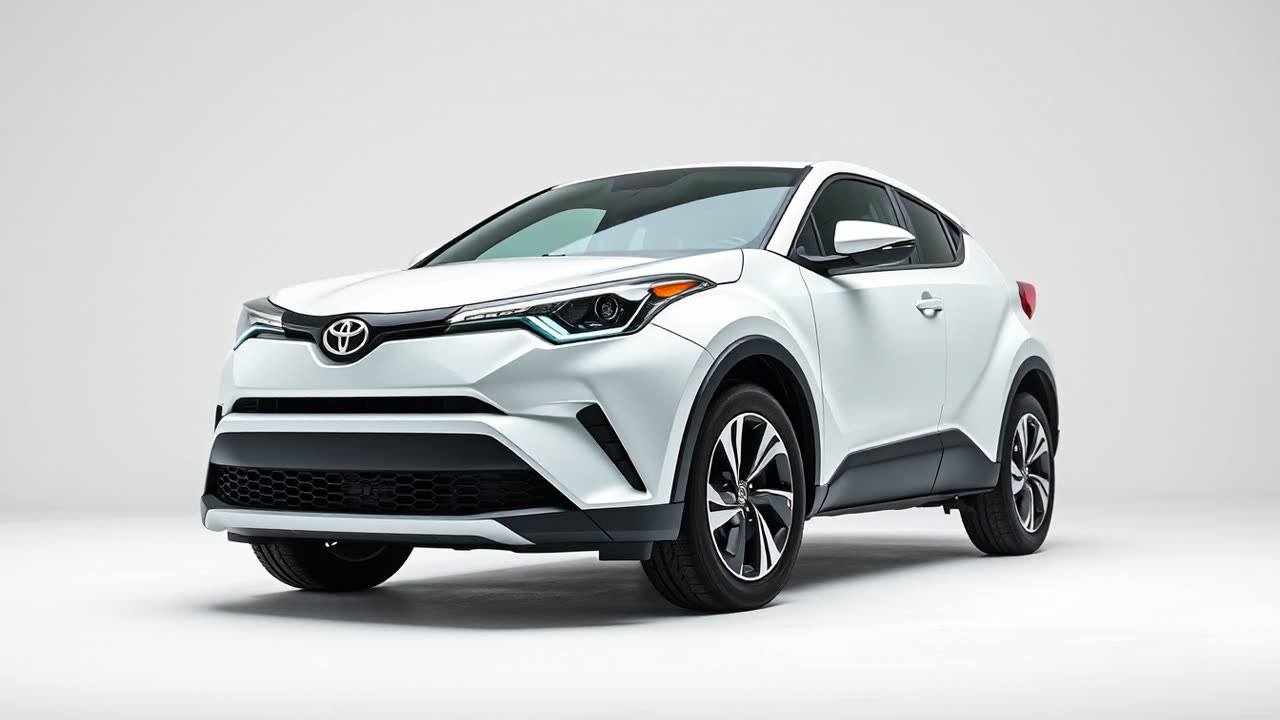
Toyota is recalling approximately 10,000 electric C-HR SUVs due to a critical software glitch that can abruptly cut power to the wheels while driving, a severe safety hazard that significantly undermines consumer confidence in the automaker's electric vehicle (EV) offerings. This recall, affecting a substantial portion of the C-HR EV's production, highlights persistent software integration challenges within traditional automotive giants as they accelerate their transition to electric powertrains, particularly impacting models primarily sold in key markets like China. The affected vehicles face a risk where a software error in the inverter control system can lead to a sudden loss of motive power, potentially causing accidents if it occurs at speed or in heavy traffic.
This incident is a considerable setback for Toyota, a company that has historically prioritized reliability and quality, and it casts a shadow over its ambitious, albeit late-to-market, EV strategy. For users, the immediate impact is a direct safety concern, compelling owners to return their vehicles for a software update. Beyond the inconvenience, such a fundamental flaw erodes trust in the vehicle's core functionality, especially for a segment where smooth, uninterrupted power delivery is a key selling point. The psychological impact of a vehicle losing power unexpectedly can deter potential EV buyers, particularly those considering their first electric car, reinforcing existing anxieties about EV reliability and range.
Within the broader automotive industry, this recall underscores the escalating importance of robust software development and quality assurance in the EV era. Unlike internal combustion engine (ICE) vehicles, where mechanical failures often dominate recall lists, modern EVs are increasingly complex software-defined machines, making software bugs a new frontier for potential widespread issues. Toyota's bZ4X SUV, for instance, faced a significant recall in 2022 due to a mechanical issue where wheels could detach, but this C-HR EV recall points to a different, equally critical vulnerability: the software layer. This trend suggests that automakers must invest heavily not only in battery and motor technology but also in developing sophisticated, secure, and thoroughly tested operating systems and control software to prevent such critical failures.
Toyota has been criticized for its comparatively slow embrace of battery-electric vehicles, often championing hybrids and hydrogen fuel cells as transitional technologies. While the company has recently pledged to accelerate its EV development, aiming for 1.5 million EV sales annually by 2026 and 3.5 million by 2030 with a lineup of 30 BEV models, this C-HR EV recall serves as a stark reminder of the complexities involved. The C-HR EV, largely produced and sold in China through joint ventures like GAC Toyota, represents a crucial part of its regional strategy, making the recall particularly damaging in a market that is both the world's largest EV market and highly competitive. Rivals like BYD and Tesla, which have a head start in EV software development and over-the-air (OTA) update capabilities, often address software issues without requiring a physical dealership visit, setting a higher bar for rapid and convenient fixes. While Tesla has had its own share of recalls, many are addressed via OTA updates, demonstrating a different paradigm for software-related issues.
Looking ahead, this event necessitates a deeper re-evaluation of Toyota's software development and testing protocols for its burgeoning EV fleet. The industry is moving towards centralized vehicle architectures where software dictates nearly every function, from powertrain management to infotainment and advanced driver-assistance systems. For Toyota, this recall could accelerate its efforts to develop a more integrated, in-house software platform, potentially reducing reliance on fragmented systems that might be prone to such critical errors. Investors and consumers will be watching closely to see how swiftly and effectively Toyota implements a permanent fix and, more importantly, how it prevents similar issues in future EV launches. The long-term success of Toyota's ambitious EV plans hinges not just on producing compelling hardware but on delivering flawless, reliable software that ensures both safety and performance, a challenge that will define the next decade of automotive innovation.