Toyota's Hybrid-Driven EREV Strategy Poised to Reshape EV Market
Toyota plans to launch an extended-range electric vehicle (EREV) in 2027, leveraging its hybrid expertise with a unique parallel-series architecture that allows direct mechanical drive and offers over 100 miles of electric range.
✨ This content was summarized and interpreted by AI; it may contain errors — please verify accuracy with the original sources. Learn more
Listen to this story
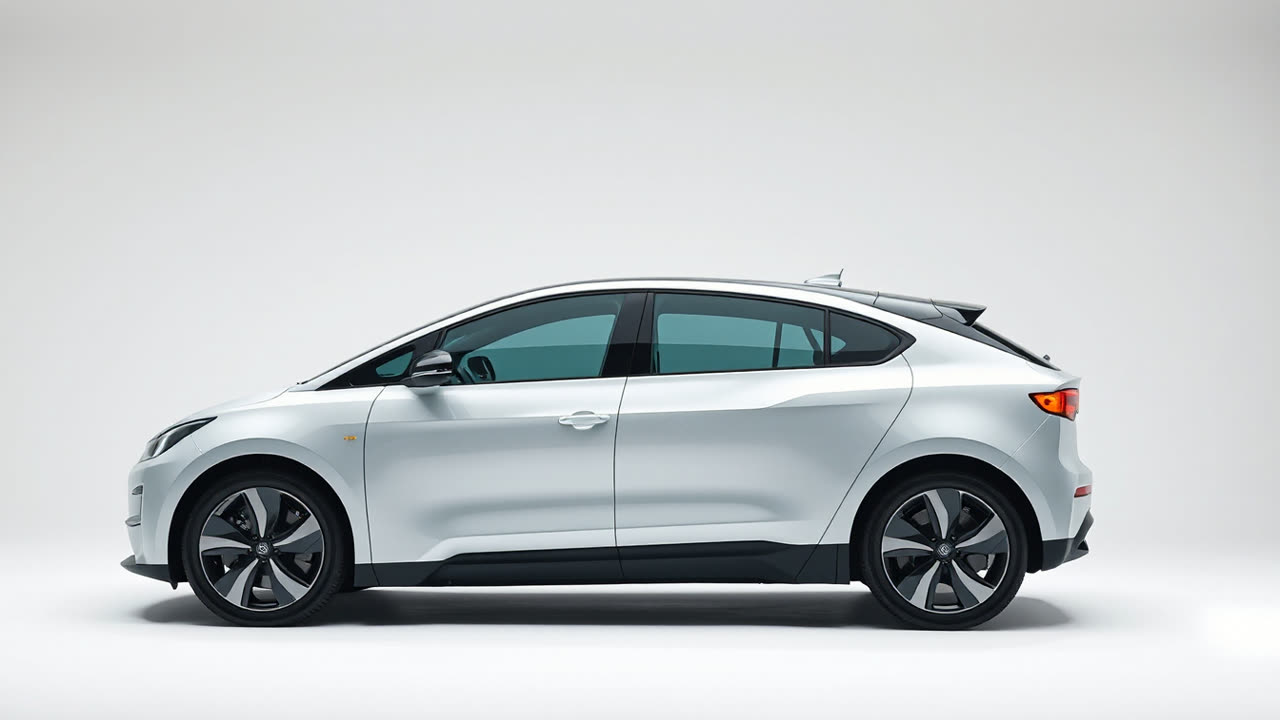
Toyota is poised to disrupt the burgeoning extended-range electric vehicle (EREV) market with an unexpected approach, planning a 2027 launch that leverages its deep hybrid expertise rather than a conventional EREV architecture. This move signals a significant pivot for the Japanese giant, which has historically championed hybrids and only recently committed to a substantial battery-electric vehicle (BEV) offensive, now seemingly acknowledging the transitional role EREVs can play in accelerating electrification. Unlike typical series-hybrid EREVs that use a small gasoline engine solely as a generator for an electric motor, Toyota is reportedly developing a system that allows for direct mechanical drive from the internal combustion engine (ICE) at higher speeds, similar to a parallel hybrid, but with a significantly larger battery and electric motor capable of extensive pure EV range. This design choice is critical, potentially offering superior highway efficiency compared to pure series EREVs, which can suffer from energy conversion losses at sustained high speeds, while still providing the long-distance flexibility and reduced range anxiety that appeals to many consumers hesitant about full BEVs.
The decision to lean into an EREV, especially one with a sophisticated hybrid-derived powertrain, carries profound implications for both users and the automotive industry. For consumers, it presents a compelling middle ground, offering the daily practicality of an EV with substantial electric-only range – potentially exceeding 100 miles on a single charge, a figure far surpassing most current plug-in hybrids (PHEVs) like the Toyota RAV4 Prime's 42 miles or the incoming 2027 Honda CR-V PHEV's estimated 50-60 miles. This extended electric range means many drivers could complete daily commutes and errands without consuming any gasoline, while retaining the ability to undertake long journeys without relying on nascent charging infrastructure or enduring lengthy charging stops. This flexibility directly addresses one of the primary barriers to broader EV adoption: range anxiety and infrastructure limitations, particularly in regions where charging networks are still developing. Furthermore, by building on its established hybrid technology, Toyota is likely to deliver a highly refined and reliable powertrain, drawing on decades of experience in seamlessly blending electric and gasoline propulsion, which could translate to a smoother driving experience and potentially lower maintenance costs compared to more complex pure BEV systems or less mature EREV designs.
Industrially, Toyota's entry with this specific EREV architecture could validate a more nuanced approach to electrification, challenging the prevailing narrative that BEVs are the sole ultimate solution. It suggests that a diverse portfolio, including highly capable EREVs, might be crucial for a smoother, more consumer-friendly transition away from fossil fuels. This strategy contrasts sharply with manufacturers like Tesla, which remains exclusively focused on BEVs, and also differs from companies like General Motors, which previously experimented with series EREVs in the Chevrolet Volt before discontinuing it in favor of BEVs. Nissan, with its e-Power system, offers a series hybrid that functions much like an EREV, but typically with smaller batteries and less emphasis on extensive pure EV range, making Toyota's reported 100+ mile electric range a significant differentiator. Chinese automakers, such as BYD and Li Auto, have already seen considerable success with EREVs, particularly in markets where charging infrastructure is still catching up, demonstrating a clear market appetite for this segment. Toyota's move could pressure other legacy automakers to re-evaluate their electrification roadmaps, potentially leading to a resurgence of interest in advanced EREV technologies as a viable, profitable path to meet emissions targets and consumer demand simultaneously.
Looking ahead, Toyota's EREV launch in 2027 is likely just the beginning of a multi-pronged electrification strategy that leverages its diverse technological strengths. This EREV platform could serve as a bridge, not only for consumers but also for Toyota itself, allowing it to scale up battery production and refine its electric drivetrain components while the global charging infrastructure matures. We can expect this technology to initially appear in popular, high-volume segments like SUVs and crossovers, where the added weight of a larger battery and ICE is less impactful on performance and packaging. Over time, as battery costs decrease and energy density improves, the electric-only range of these EREVs could further expand, blurring the lines between EREV's and pure BEVs. Furthermore, this EREV strategy positions Toyota to potentially integrate its solid-state battery technology, which it expects to commercialize later this decade, into future iterations, offering even greater electric range and faster charging capabilities without compromising the flexibility of the gasoline extender. The success of Toyota's EREV will undoubtedly influence the pace and direction of electrification across the industry, potentially solidifying the EREV as a long-term, significant player in the global automotive landscape, rather than merely a temporary stopgap.