Toyota's Refreshed Electric SUVs Lead U.S. Sales Growth with Nearly 5,000 Units Sold in August 2026
This sudden surge marks a pivotal shift for the automaker, long criticized for its cautious approach to battery electric vehicles.
✨ This content was summarized and interpreted by AI; it may contain errors — please verify accuracy with the original sources. Learn more
Listen to this story
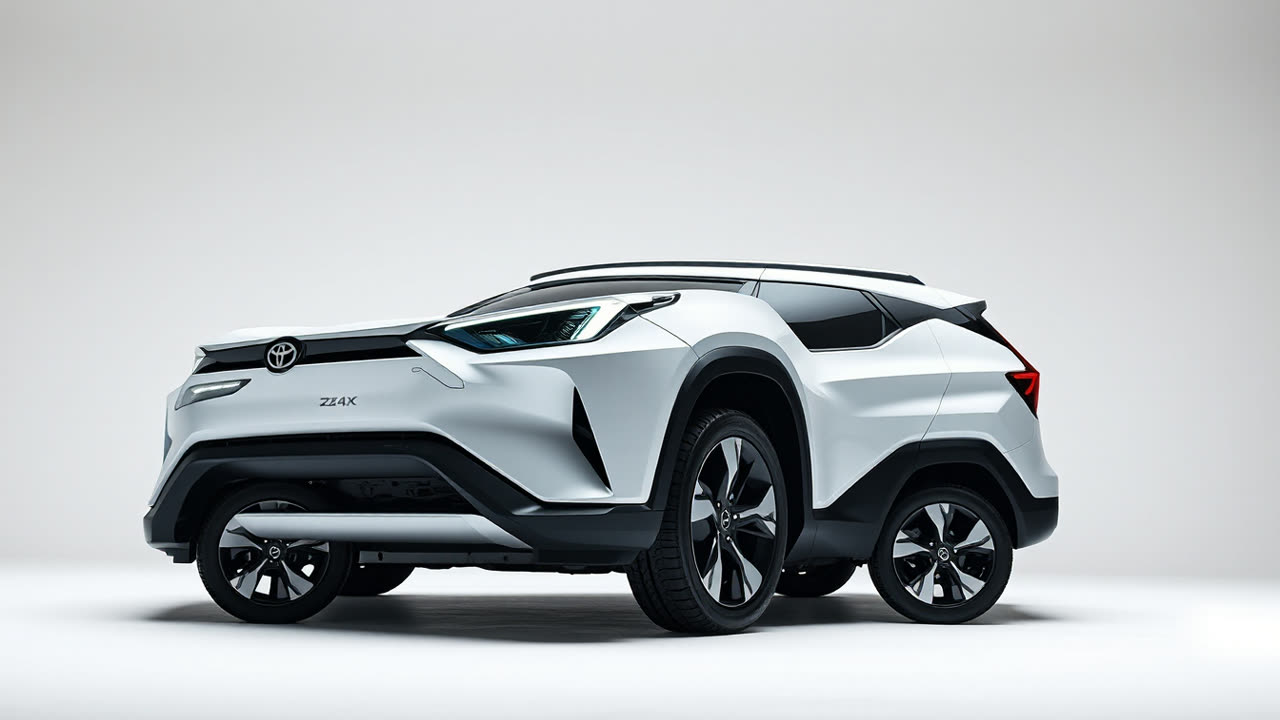
Toyota’s refreshed electric SUV lineup achieved a significant breakthrough in August 2026, with nearly 5,000 units sold, catapulting the automaker to lead new EV sales growth in the crucial U.S. market. This sudden surge, predominantly driven by models like the bZ4X and potentially new additions or significantly updated versions, marks a pivotal shift for a company long criticized for its cautious approach to battery electric vehicles (BEVs). The 4,987 units sold in August alone represent a substantial increase from Toyota's previous monthly EV sales figures, indicating a strong positive market reception to its updated offerings and a potential inflection point for the Japanese giant in the global EV race.
This sales performance transcends mere numbers, signaling a profound shift in consumer perception and Toyota's competitive standing. For users, the availability of compelling Toyota electric SUVs addresses a long-standing demand for BEVs from a brand renowned for its reliability, extensive dealer network, and strong resale value. The "refreshed lineup" likely includes critical improvements in range, charging speed, and interior technology—areas where Toyota’s earlier bZ4X iterations faced criticism. If these refreshed models genuinely deliver on these fronts, they offer a more complete and competitive package, potentially attracting a broader segment of mainstream buyers who have been hesitant to switch to EVs due to range anxiety or brand unfamiliarity with newer EV-only manufacturers. The impact on the industry is equally significant; Toyota's entry into the higher-volume EV segment with credible products could accelerate EV adoption rates across the board, particularly among more conservative buyers who trust established automakers. Its sheer manufacturing scale and supply chain prowess, once fully leveraged for BEVs, could quickly reshape market share dynamics and put immense pressure on both legacy rivals and EV startups.
Historically, Toyota has championed a "multi-pathway" strategy, heavily investing in hybrids (HEVs) and hydrogen fuel cell electric vehicles (FCEVs) while taking a more measured approach to BEVs. This stance, often viewed as conservative, allowed competitors like Tesla, Hyundai-Kia, and even Ford and GM to establish early leads in the BEV space. The initial bZ4X, launched in 2022, faced challenges including a recall, limited range, and slower charging speeds compared to rivals, which hampered its market penetration. In contrast, competitors have aggressively rolled out dedicated EV platforms and a diverse range of models. Tesla continues to dominate with its Model Y and Model 3, while Hyundai's Ioniq 5 and Kia's EV6 have garnered critical acclaim for their 800V architectures, rapid charging capabilities, and distinctive designs. Even within the SUV segment, Ford’s Mustang Mach-E and GM’s Ultium-based offerings like the Blazer EV have carved out significant niches. Toyota’s August sales surge suggests that the company has now begun to close this technological and perceptual gap, likely by addressing previous shortcomings and perhaps introducing more appealing design elements or competitive pricing strategies. The 2026 bZ4X, for example, is reported to offer an improved range of up to 280 miles, a significant jump from its predecessor, alongside faster DC fast charging speeds, which are crucial for long-distance travel.
Looking ahead, Toyota’s August performance is likely just the beginning of a more aggressive push into the BEV market. The company has publicly committed to launching 30 BEV models globally by 2030 and investing heavily in next-generation battery technology, including solid-state batteries, which promise higher energy density and faster charging. While solid-state battery mass production is not expected until the late 2020s, Toyota’s recent sales indicate that even with current lithium-ion technology, a refined product strategy can yield substantial results. The introduction of new dedicated EV platforms, potentially incorporating learnings from its Lexus luxury brand's EV initiatives, will further enhance performance and efficiency. We can anticipate Toyota to leverage its vast manufacturing capabilities to scale production rapidly, potentially leading to more competitive pricing and wider availability across different segments beyond SUVs. The next phase will likely see Toyota expand its EV offerings into sedans, trucks, and smaller urban vehicles, challenging market leaders across all categories. Furthermore, as global regulations tighten and consumer preferences increasingly shift towards electrification, Toyota’s recent success provides crucial momentum, validating its renewed focus and signaling a formidable contender poised to significantly alter the future landscape of the electric vehicle industry.